


 Claim Ownership
Alt.Latino
Subscribed: 11,295Played: 155,413
Subscribe


© Copyright 2013-2021 NPR - For Personal Use Only
Description
The global Latinx community is evolving and growing fast. Alt.Latino is here to celebrate it and all of its nuances through music. Each episode, NPR Music's Felix Contreras and Anamaria Sayre sit down with a different living legend or rising star to discuss Latinx culture, heritage, and the shared borders of our experiences. Let the chisme begin!
Support NPR and get your music exploration sponsor-free with Alt.Latino+. Learn more at plus.npr.org/nprmusic
Support NPR and get your music exploration sponsor-free with Alt.Latino+. Learn more at plus.npr.org/nprmusic
375 Episodes
Reverse
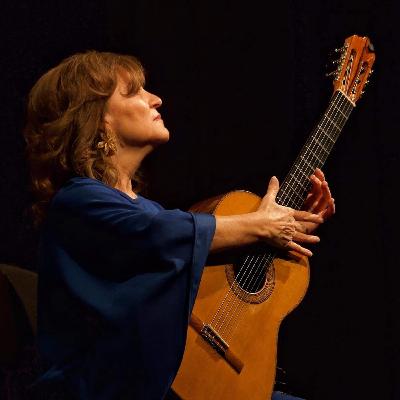
The sheer volume and variety of Spanish-language music released every year is breathtaking. Even those of us with our ears to the ground are bound to miss things. So, in this episode we travel back through the year to resurface some of the remarkable albums that somehow didn't make it on the show. Catch Afro-Caribbean jazz, a history-spanning classical strings project, the return of Juana Molina and much, much more.Artists and albums featured in this episode:- Alex Cuba, 'Índole'- Enyel C, 'Nuevo Caribe'- Berta Rojas, 'La Huella de las Cuerdas'- Cazzu, 'Latinaje'- Conrad Herwig, Eddie Palmieri and Luques Curtis, 'Reflections-Facing South'- Juana Molina, 'DOGA'This podcast episode was produced by Noah Caldwell. The executive producer of NPR Music is Suraya Mohamed.Learn more about sponsor message choices: podcastchoices.com/adchoicesNPR Privacy Policy
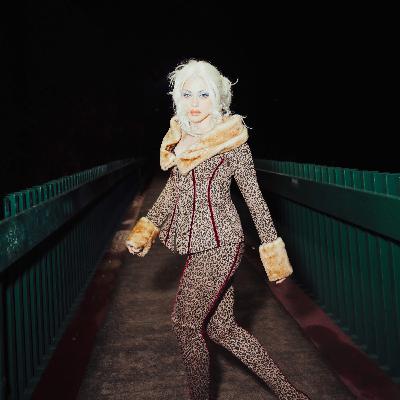

This year was bookended by two major statements in Latin music. In January, Bad Bunny released DeBÍ TiRAR MáS FOToS, and followed that up with a 31-show residency in Puerto Rico over the summer. Then, in November, the Spanish vocalist Rosalía released her genre-defying masterpiece LUX, which sent legions of music lovers scrambling to try to grasp the magnitude of an album performed in 13 different languages.But they were only the tip of the iceberg of yet another year of mind-bending creativity in Spanish language music. This week we look back at some of the other artists and recordings that made 2025 another year of adventurous and rewarding listening. These six artists made only a fraction of music that caught our attention. But we only have so much time on these podcasts! Use this as a starting point to explore the year that was on your own. And check out more of NPR Music's coverage of the best music of 2025 here. Enjoy!Artists and albums featured in this episode:- Bad Bunny, DeBÍ TiRAR MáS FOToS- Rosalía, LUX- Queralt Lahoz, 9:30 PM- Roxana Amed, Todos los Fuegos- Arath Herce, Musas en Mi- Mon Laferte, Femme Fatal- rusowsky, DAISY- Lido Pimienta, La BellezaThis episode was produced by Noah Caldwell. The executive producer of NPR Music is Suraya Mohamed.Learn more about sponsor message choices: podcastchoices.com/adchoicesNPR Privacy Policy
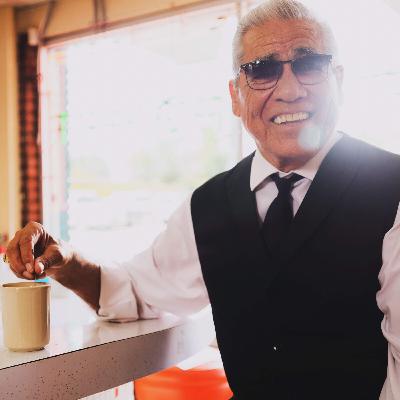
Some folks think by December all the releases for the year are complete. Not quite. This week we feature a new music show with albums that should be considered along with the year’s best. We've got pop and alternative from Mexico, funk from Colombia, rock and ambient from New York and a Tejano master celebrated by his fellow Texans. Plus, Felix brings the zen. Artists and songs featured in this episode: - Diles que no me maten, 'Manos de Piedra - Revisitada'- Dianna Lopez, 'Sun Frequencies (Renewal)'- HUMBE, 'fantasmas'- Rene Lopez, 'Any Chance'- Duplat, 'Vete del País'- Ruben Ramos. 'El Año Viejo (ft. Gaby Moreno)'This podcast was produced by Noah Caldwell. The executive producer of NPR Music is Suraya Mohamed.Learn more about sponsor message choices: podcastchoices.com/adchoicesNPR Privacy Policy

The annual Latin Grammy awards are always full of glamour and glitz. But they're also an ideal time to take the pulse of the industry - which is exactly what Anamaria Sayre did this year, perusing the red carpet to talk with the most exciting names in Latin music. In this episode, Ana brings Felix her report from Las Vegas, where Bad Bunny won Album of the Year, the independent Brazilian music scene made a splash, and the whole industry seemed to be saying: "Show us where you're from."This podcast episode was produced by Noah Caldwell. The executive producer of NPR Music is Suraya Mohamed.Learn more about sponsor message choices: podcastchoices.com/adchoicesNPR Privacy Policy

Spanish vocalist and composer Rosalía has been a major presence in Spanish language music since she released her 2018 album, "El Mal Querer." She started by leaning into her flamenco roots, but since then she has expanded her musical vision to become one of those musicians who defies category.Her new album "LUX" stretches that descriptor to its limit. Her musical tools this time include the London Symphony Orchestra, singing in 13 languages, guests like Icelandic performer Björk, and her own vocals that hit operatic heights. This week, Ana and Felix dissect the album and play excerpts from Ana's interview with Rosalía. How can you go wrong?You can read extended highlights of Ana's interview with Rosalía at NPR.orgThis episode was produced by Noah Caldwell. The executive producer of NPR Music is Suraya Mohamed.Learn more about sponsor message choices: podcastchoices.com/adchoicesNPR Privacy Policy
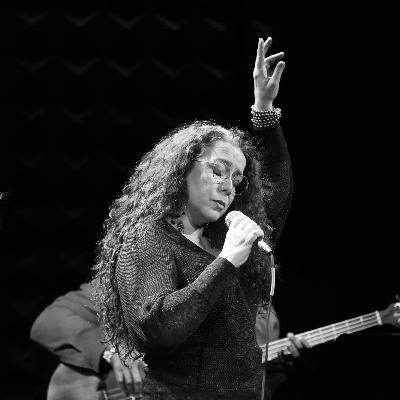
Ever since I heard the Argentine saxophonist Gato Barbieri back in the Seventies, I’ve been fascinated by musicians from South America who found their way to jazz.Lately there seems to be a strong showing of contemporary musicians from various Latin American countries who not only play jazz but also mix certain Latin American folk traditions into their sound.So, this week I spoke with six of them: vocalist Claudia Acuña from Chile, Argentine vocalists Sofia Rei and Roxana Amed, Mexican vocalist Magos Herrera, guitarist/vocalist Camila Meza and tenor saxophonist Melissa Aldana.Each has a story about identity, living the jazz dream and how they came to jazz.Hopefully you’ll use this roadmap to start your own journey into jazz, if you haven’t already.- FelixMusic heard in this episode:Claudia Acuña - “Prelude To A Kiss”Sofia Rei - “El Gavilán”Gato Barieri - “To Be Continued”Roxana Amed - “Corazón delator”Mangos Herrera - “Luz de Luna”Camila Meza - “Utopia”Melissa Aldana - “A Purpose”Learn more about sponsor message choices: podcastchoices.com/adchoicesNPR Privacy Policy
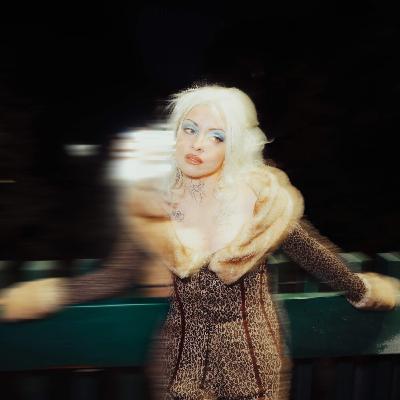
Not to sound like a broken record, but I'll say it again: the variety of creative expression in what is inadequately labeled "Latin music" continues to astound me.From the bossa nova-by-way-of-Guatemala of Fabuloso and Los Skeepers, to the evolving torch singing of the Chilean-via-Mexico vocalist Mon Laferte, to the ‘Western noir’ of California singer Andrés Miguel Cervantes, to Nathy Peluso’s Argentine take on Seventies New York City salsa, to jazz from southern Spain’s Chano Domínguez... how do we even try to keep up with this kind of output?Someone has to do it, and we’re glad it’s us.Featured artists and songs: - Milo J, 'OLIMPO', 'Bajo De La Piel', 'Jangadero'- Fabuloso & Los Skeepers, 'Si Te Gusta'- Mon Laferte, 'Las Flores Que Dejaste En La Mesa', '1:30'- Chano Domínguez & Emaginario, 'March Of The Siguiriyas'- Nathy Peluso, 'ÁNGEL'- Andrés Miguel Cervantes, 'Dreams of Jacumba'This podcast episode was produced by Noah Caldwell. The executive producer of NPR Music is Suraya Mohamed.Learn more about sponsor message choices: podcastchoices.com/adchoicesNPR Privacy Policy
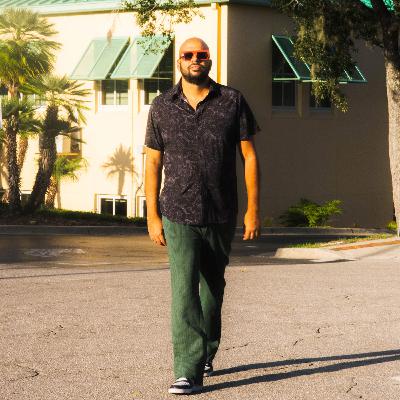
The past month has been a whirlwind. The El Tiny takeover of the Tiny Desk... interviews with some of the most exciting artists in Latin music... and, of course, puppets! So, for today's episode, we emerge from the craziness and dig into our neglected mailbag, which is brimming with new music. What did we find? Simple beauty. A young songwriter from Veracruz whose spare compositions have wowed his elders. An offbeat producer from Madrid. And, a joyful ode to a city half a millennium old. Featured artists and songs:- Arath Herce, "Musas en Mi" and "Quien Pensaría"- iLe, "Si Te Contara"- TRISTAN!, "Voyage" and "Ártico"- Venezonix ft. Pahua, "La Soledad"- Meme de Real, "Estaba Sentado" and "Embeces"- Bomba Estereo ft. Carlos Vives, "La Samaria"This podcast was produced by Noah Caldwell. The executive producer of NPR Music is Suraya Mohamed.Learn more about sponsor message choices: podcastchoices.com/adchoicesNPR Privacy Policy
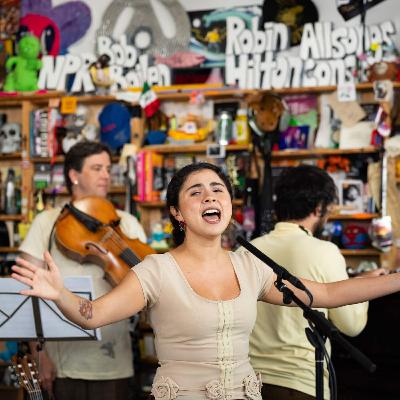
There's no question that Mexican vocalist and composer Silvana Estrada is special to Alt.Latino. Ever since she launched her 2022 album "Marchita" with a series of revelatory singles, she seemingly spoke directly to Alt.Latino co-host Anamaria Sayre.Since those earliest days, the two have been able to spend quite a bit of time together in interviews and other public gatherings, which only brought them closer on a personal level. Now, as Estrada releases her new album, "Vendrán Suaves Lluvias," and celebrates the publication of her Tiny Desk Concert, it seemed like a good time to sit in on the ever-flowing conversations between the two of them.The result is a conversation that is probably a lot more personal than you’re used to. And that’s OK. Because Silvana is a performer of complex emotions, and while you can experience those emotions through songs, sometimes you have to hear things for yourself. Enjoy.This podcast episode was produced by Noah Caldwell. The executive producer of NPR Music is Suraya Mohamed.Learn more about sponsor message choices: podcastchoices.com/adchoicesNPR Privacy Policy
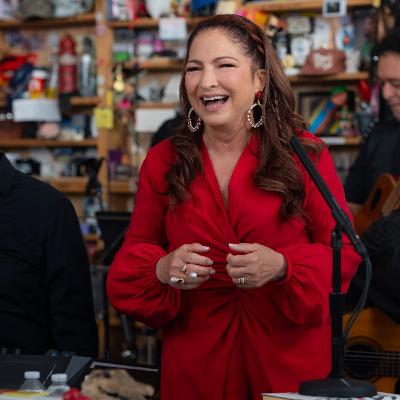
Gloria Estefan is one of those musicians whose work and mere presence in the record industry deserves without question platitudes like ‘pioneering’ or ‘ground breaking.’ In fact, we have often mentioned her in that light throughout the 15 years of Alt.Latino. So it was a thrill to invite her to chat with us once again, this time immediately after a stunning Tiny Desk performance that will publish Oct. 13. She gives serious Favorite Tiá vibes, and since she and Felix are close in age, it felt like a conversation with a good friend with a fascinating life story - who just happens to have one of the richest song catalogs in Latin music history.This podcast episode was produced by Noah Caldwell. The executive producer of NPR Music is Suraya Mohamed.Learn more about sponsor message choices: podcastchoices.com/adchoicesNPR Privacy Policy
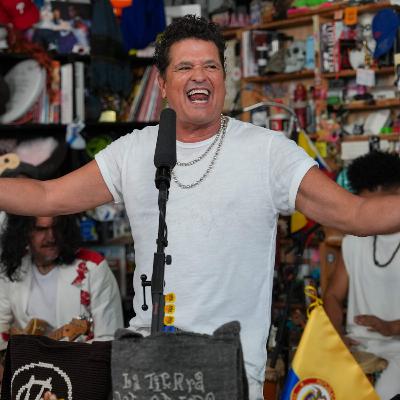
It's that time of year again: NPR's Tiny Desk becomes El Tiny, featuring concerts from some of the most exciting and legendary Latin artists around. So, this week Felix and Ana run through this year's El Tiny lineup and listen to performances from Fito Paez, Carlos Vives, Chuwi and more. Plus, a conversation about the news that Bad Bunny will perform at next year's Super Bowl LX.This podcast episode was produced by Noah Caldwell. The executive producer of NPR Music is Suraya Mohamed.Learn more about sponsor message choices: podcastchoices.com/adchoicesNPR Privacy Policy
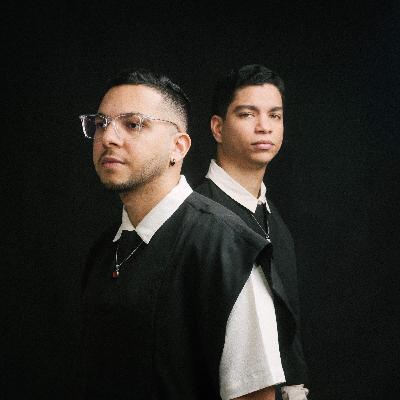
The way new music comes to Alt.Latino World Headquarters says a lot about our slight age difference. I still get CDs in the mail, with an occasional music file sent via email. Ana is constantly playing me audio files she gets vial email or texts from her new music sources, very rarely on CD. So while we were busy putting the finishing touches on our fist annual El Tiny takeover of the Tiny Desk Concert series, our mail piled up. Which means we had lots to choose from for this week's new music episode. There's bound to be something that catches your ear and makes you think: 'How did I live without that in my life?"Featured artists and songs: - Making Movies, “La Marea” ft. Mireya Ramos- Teo Planell, “El Mundo Delante de Ti”, “Como Pensarte Mal”- Ramona and the Holy Smokes, “Esta Herida”, “I Want You To Be My Man”- Lorea, “Se me ve la cabeza”, “Mi alma sobre la mesa”- Gonzalo Rubalcaba, Yainer Horta and Joey Calveiro, “Quizás, Quizás, Quizás”- Martox, “Enganchao de Ti”This podcast episode was produced by Noah Caldwell. The executive producer of NPR Music is Suraya Mohamed.Learn more about sponsor message choices: podcastchoices.com/adchoicesNPR Privacy Policy

Bad Bunny's months-long residency in Puerto Rico is coming to an end. The shows brought in hundreds of millions of dollars to the island, and sparked new debates about Puerto Rican identity and politics. For this week's episode, Ana and Felix traveled to San Juan to take in one of the final performances, and interview both locals and tourists about the musical and cultural impact of the summer of Bad Bunny.This podcast was produced by Noah Caldwell. The executive producer of NPR Music is Suraya Mohamed.Learn more about sponsor message choices: podcastchoices.com/adchoicesNPR Privacy Policy

This week's episode is a tribute to host Felix Contreras, who just received the Hispanic Heritage Award for Journalism from the Hispanic Heritage Foundation. Co-host Anamaria Sayre and the Alt.Latino team surprised Felix with guest appearances from Juanes, Daymé Arocena, Chucho Valdés, Dolores Huerta and more.This podcast was produced by Noah Caldwell. The executive producer of NPR Music is Suraya Mohamed.Learn more about sponsor message choices: podcastchoices.com/adchoicesNPR Privacy Policy

Felix shares the music that's helped him recover from a serious illness. Anamaria shares some new exquisite (and, in one case, slightly toxic) love songs. Featured artists and songs:• Blood Orange, "I Can Go" (feat. Mabe Fratti & Mustafa)• Draco Rosa, "Quiero Vivir"• Caetano Veloso, "Voce E Linda" (Remixed Original Album)• Tim Bernardes, "BB (Garupa de Moto Amarela)"• Tim Bernardes, "Última Vez"• Santana, "Goodness and Mercy"• Xavi, "Ojitos de Miel"• Los Lobos, "Bertha" (Live at the Carefree Theatre, 1992)This podcast was produced by Noah Caldwell. The executive producer of NPR Music is Suraya Mohamed.Learn more about sponsor message choices: podcastchoices.com/adchoicesNPR Privacy Policy

This week, NPR Music reporter Isabella Gomez-Sarmiento is back on the mic, bringing host Anamaria Sayre new music in the vein of her 2010s Tumblr era. Think emo bangs, bright blue skinny jeans and a Warped Tour T-shirt. Sonically, this week’s picks run through bedroom pop, sultry balladry and Bronx-Dominican rap over post-punk basslines.
Featured artists and songs:• Titanic (I. la Católica and Mabe Fratti), “Escarbo dimensiones"• Mon Laferte, “Esto Es Amor"• Planta Industrial, “Teteo in The Bronx”• Santi Muk and Zenon Pereyra, “seu carinho,” “CUÁNTO FALTA PARA CONOCERTE?” and “ANA BAILABA”• Maria Usbeck, “Mar”• LATIN MAFIA and Omar Apollo, “Hecho para ti”This episode was produced by Noah Caldwell and edited by Otis Hart. Suraya Mohamed is the Executive Producer of NPR Music and the madrina of Alt.Latino.
Learn more about sponsor message choices: podcastchoices.com/adchoicesNPR Privacy Policy

On Alt.Latino we often discuss the way that traditions are recognized and expanded upon. Usually it’s when we’re talking about new artists.But this week we are spending time honoring two legends: Tex Mex accordion player Flaco Jimenez and Latin jazz pianist/composer Eddie Palmieri each died within the last few weeks. They were foundational to their respective musical cultures, products of two distinct Latino cultural and musical traditions who also expanded the idea of tradition with their musical visions.Tune in this week to see how Felix connects the dots between these two seemingly dissimilar icons — and hear some new music that also blends tradition with modernity. Music heard in this episode:Orquestra Afro-Brasileira, “Saudação ao Rei Nagô” and “Obaluayê”Doctor Nativo, “Caminantes” feat. Roco PachukoteBikôkô, “The Other” feat. Isaiah Hull and “La Mano” feat Crystal Murrayday2k, “OBSSD” and “más q todoooooo”Flaco Jimenez, “Lucerito”Eddie Palmieri, “Una Rosa Española”Audio and production for this episode was done by Noah Caldwell.Suraya Mohamed is Executive Producer for NPR Music.Learn more about sponsor message choices: podcastchoices.com/adchoicesNPR Privacy Policy
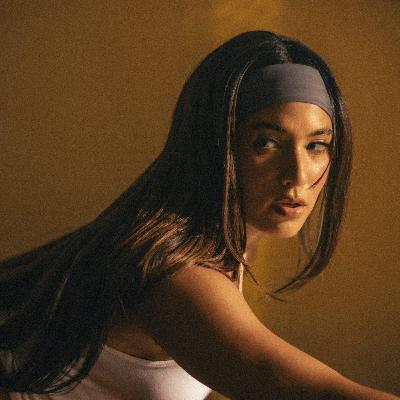
Felix Contreras is on vacation, so Anamaria decided to throw her own kind of summer bash in his absence. With NPR Music reporter Isabella Gomez Sarmiento along for the ride, today’s Alt.Latino sails through tropical bangers from Mexico, Brazil, the Dominican Republic and more.Simon Grossmann, “Copa del Mundo”A beachy pop-ballad about building a soccer team (as a metaphor for making love), “Copa del Mundo” is the latest single off Grossmann’s upcoming album, Empezar Ganando, out Sept. 21. The Venezuelan-American artist is known for laidback acoustic melodies and sentimental lyrics that transport listeners to romantic sunsets on the coast of Morrocoy (or Puerto Rico, where Grossmann produced the record alongside Fux Beat and Bebo Dumont).Xavi and Kapo, “Bien Pedos”A regional Mexican vocalist and Colombian rapper team up for an unexpectedly welcome collab. On “Bien Pedos,” Kapo’s signature afrobeats sound is infused with charcheta horns from Sinaloa, resulting in an infectious pan-Latin pop sound ideal for making moves on a late-night dancefloor. At the center of it all is Xavi, the 21 year old who started covering corridos for his mom and has quickly emerged as one of the most magnetic voices in contemporary musica Mexicana.Ana Frango Elétrico, “A Sua Diversão”Traveling down to Rio de Janeiro, the latest single from multi-instrumentalist (and poet) Ana Frango Elétrico mixes elements of jazz, funk and pop for an uncategorizable groove that we wish would never end. A standout voice in the Brazilian new wave (and with a co-sign from bossa legend Marcos Valle), the Latin Grammy winner infuses their nostalgic yet innovative sound with a refreshingly punk attitude.Letón Pé, “Prendan Un F**** Abanico,” and “Madrugá”Dominican singer and actress Letón Pé can do it all. An Ibiza-ready club hit that tracks the soaring summer temperature? Check. A sultry, ‘80s retro siren song detailing a late-night fantasy? Check. Whether she’s working with Spanish DJ Piek or Mexico City-based producer Julián Bernal, Letón Pé’s voice draws listeners into a world of Caribbean textures, melodies and dance moves.Martox, “Si Es Verdad” and Lena Dardelet feat. Martox, “A mi de ti”Dropping an anchor on the Dominican Republic, we listen to two tracks from underground duo Martox. Their pulled-back approach on electronic and R&B production crafts a subdued merengue vibe on their latest single “Si Es Verdad.” Ana takes the opportunity to resurface their collab with French-Dominican vocalist Lena Dardelet, “A mí de ti,” a dreamy meditation on a missed connection.stivijoes, “Solo” and “No he nacido rico”Ana ends the show with a sad-boy mic drop courtesy of Catalan artist stivijoes. “Solo” and “No he nacido rico” use melancholic piano and lush synths to capture the producer and songwriter’s battle with grief, familial pressures and creative ambitions.The audio for this episode was produced by Noah Caldwell. Suraya Mohamed is Executive Producer of NPR Music.Learn more about sponsor message choices: podcastchoices.com/adchoicesNPR Privacy Policy
Some might call it whiplash, the way we sometimes zip from one genre of Latin music to another in our New Music shows. But I like to think of it as an expression of the richness and vitality of all music made under what is known as Latin music.
This week's selections reinforce the idea that trying to identify this music under one heading is impossible. Let's just call it Good Music.
Featured artists and songs:
• Harold Lopez-Nussa, “Niña Con Violin"
• Sofia Kourtesis, "Canela Pura" and "Ballumbrosio"
• Lucrecia Dalt, “caes” and “cosa rara”
• goodtoknow (paula prieto, benjamin walker, sir hope), "Mareas," "October" and "I’ll stay"
• Gabriel Alegria Afro-Peruvian Sextet, “Panabe”
• Natanael Cano, “Presidente” and “El Juez”
• Gabito Ballesteros and Carin Leon, “Regalo de Dios”
The audio for this episode was produced by Noah Caldwell. Suraya Mohamed is the Executive Producer of NPR Music and the madrina of Alt.Latino.Learn more about sponsor message choices: podcastchoices.com/adchoicesNPR Privacy Policy

Global superstar Bad Bunny is hosting an unprecedented 30 concert residency in San Juan, Puerto Rico. Fans are calling it a defining cultural moment for the island. Anamaria Sayre attended two recent shows and shared her reflections.Music featured in this episode:• Bad Bunny, "Callaita" • Bad Bunny, "Baile Inolvidable" • Los Pleneros de la Cresta, "Los de la Isla"• Gilberto Santa Rosa,"La Agarro Bajando" • Bad Bunny, "Lo Que Le Paso A Hawaii" Audio for this episode of Alt.Latino was edited and mixed by Noah Caldwell. NPR Music's executive producer is Suraya Mohamed.Learn more about sponsor message choices: podcastchoices.com/adchoicesNPR Privacy Policy


Download from Google Play

Download from App Store
 United States
¼
XX zw
cumbia alt awesome !
That's true for me i like salsa merengue rock music with Spanish word i.e Puya
Now, this is an example of what Latin Music means. What a trajectory! We need more artists with this kinda of talent! Bring back quality please!
todo bien para todos nosotros
fantastico!
that Clandestino - Manu Chao cover tho
♡
☝🏿PRIMERO💥
Chayanne
i like it
good music
Vicente Fernández
Super show! Viva 🇵🇦👍🏽
musica legendaria. luv it. excelente
trap en español?????
😘😘😘😘
Conway twitty
i want post Malone