


 Claim Ownership
American History Hotline
Subscribed: 145Played: 1,958
Subscribe

2025 iHeartMedia, Inc. © Any use of this intellectual property for text and data mining or computational analysis including as training material for artificial intelligence systems is strictly prohibited without express written consent from iHeartMedia
Description
Bob Crawford searches for the best historians and experts to answer listener questions about American history — from the Revolutionary War to rock & roll feuds. Got a question? Send it to AmericanHistoryHotline@gmail.com.
26 Episodes
Reverse
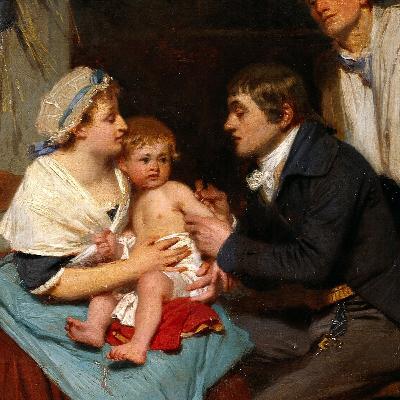
Many Americans have turned their backs on the vax, but early Early Americans would literally have killed for some vaccines. In this episode, we explore the history of America's first vaccines, which can be traced to a mandate from none other than General George Washington. Dr. Kathryn Olivarius (author of Necropolis: Disease, Power, and Capitalism in the Cotton Kingdom) explains the surprising story of how vaccines shaped American life — from smallpox inoculations during the Revolution to modern-day debates over public health and personal freedom. We're going to poke and jab at history to see why vaccine resistance isn’t new, and how the fight between science, religion, and politics has defined 250 years of American medicine. GUEST: Kathryn Olivarius, author of Necropolis: Disease, Power, and Capitalism in the Cotton KingdomSee omnystudio.com/listener for privacy information.
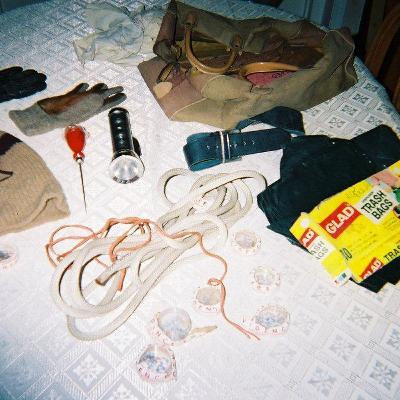
Was it the rise of hitchhiking? Lead in the water pipes? Or was it something a little darker in our culture? Bob rings up private investigator and host of the podcast Hell & Gone: Murder Line — Catherine Townsend — to learn why there were so many serial killers in America during the 1970s. From Ted Bundy to the Night Stalker and John Wayne Gacy, we dive into the “golden age” of serial killers to see how difficult it was to catch predators in a world before DNA testing, cell phones, and surveillance cameras. But that also begs the question: Are there fewer serial killers today? Listen, and find out! GUEST: Catherine Townsend, host of Hell and Gone: Murder Line and Red CollarSee omnystudio.com/listener for privacy information.
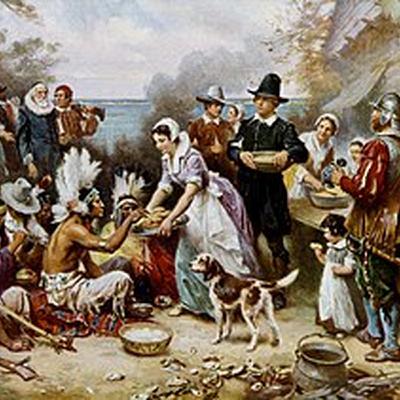
We all have that relative that tells us there was actually no green bean casserole at the first Thanksgiving. Yeah, we know, Grandma! But how much do we really know about that first feast between the Pilgrims and the Indians? Well, a lot. But the story most of us learned in school is completely wrong. Author David J. Silverman, (This Land Is Their Land: The Wampanoag Indians, Plymouth Colony, and the Troubled History of Thanksgiving) joins us to carve up the myths about Turkey Day and serve a nice helping of truth. In this episode, Bob and David explore the origins of Thanksgiving, from the Wampanoag people’s strategic decision to ally with the English, to Abraham Lincoln’s role in turning that footnoted feast into a national holiday. Tell your family to turn down the yacht rock and play this episode of American History Hotline as you avoid talking about politics and stir the gravy. GUEST: David J. Silverman, author of This Land Is Their Land: The Wampanoag Indians, Plymouth Colony, and the Troubled History of Thanksgiving. He has a new book coming out in February of 2026 titled, The Chosen and the Damned: Native Americans and the Making of Race in the United States See omnystudio.com/listener for privacy information.
 1
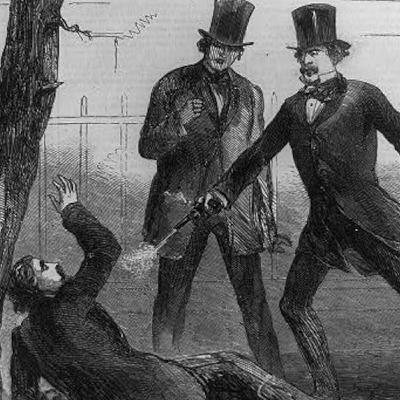
1In 1859, Congressman Daniel Sickles murdered Philip Barton Key (son of the man who wrote The Star-Spangled Banner) in a fit of jealous rage just steps from the White House. The resulting trial became America’s first true media circus, and gave rise to the “crime of passion” defense. In short, it basically became legal to kill a man for sleeping with your wife. While this wasn't technically a law, it was the "Unwritten Law" for way longer than you might think. Chris DeRose, author of Star Spangled Scandal: Sex, Murder, and the Trial that Changed America, joins Bob to talk about how this legal defense played out in America. GUEST: Chris DeRose, author of Star Spangled Scandal: Sex, Murder, and the Trial that Changed AmericaSee omnystudio.com/listener for privacy information.

You won't see it on the ballot, but it's always the winner in American elections. That's right, we're talking about big tech. From Facebook to Google and AI, technology not only has the power to affect the outcomes of our elections ... it's already doing it! Who could have seen this coming? Well, we're glad you asked, because Roger McNamee has been ringing alarm bells since you were playing Snake on your Nokia. Roger joins Bob to talk about the evolution of technology in politics, from the rise of data-driven campaigning in the 1970s to Facebook’s influence on the 2016 election and the new threat of AI. Let's just say our future is beginning to look a lot like an episode of Black Mirror. GUEST: Roger McNamee, author of Zucked: Waking Up to the Facebook CatastropheSee omnystudio.com/listener for privacy information.

Set it and forget it! That's what most Americans want to do with their clocks. They want standard time year-round. So, why are we stuck with Daylight Saving Time? And where did it come from in the first place? Some say it was Benjamin Franklin. But if we Scooby-Doo this thing and pull off the mask to see who's really behind this whole clock caper it's ... (gasp) ... CAPITALISM! Tune in an hour earlier ... or is it later? ... for this episode. GUEST: Chad Orzel, author of the book, A Brief History of Timekeeping: The Science of Marking Time, from Stonehenge to Atomic ClocksSee omnystudio.com/listener for privacy information.

Which witch is which? You probably heard a lot of lawyers saying that in Salem, Massachusetts in 1692. That was the year of America's largest witch hunt ever. But what sparked this mass hysteria that led to false accusations, sham justice and wrongful executions? Teenagers, of course. Bob is joined by historian Emerson Baker (A Storm of Witchcraft) to explore how religion, politics, and panic fueled the Salem Witch Trials. A time when no one was above suspicion! Guest: Emerson Baker, author of A Storm of Witchcraft: The Salem Trials and the American ExperienceSee omnystudio.com/listener for privacy information.
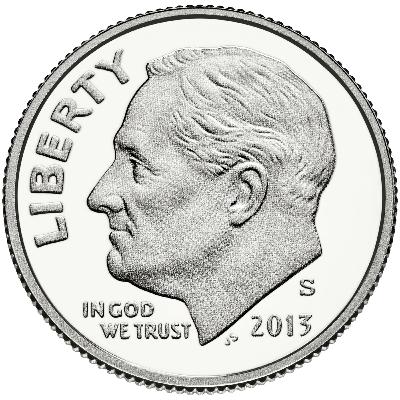
How did America’s presidents really make—and manage—their money? Bob Crawford sits down with financial expert and author Megan Gorman to explore the personal finances of presidents from George Washington to Donald Trump. Drawing from her new book, All the Presidents’ Money: How the Men Who Governed America Governed Their Money, Gorman reveals who thrived, who failed, and what their choices say about leadership, power, and legacy. Discover why Thomas Jefferson died in debt, how Abraham Lincoln overcame his impoverished childhood, why FDR’s polio treatment transformed presidential fundraising, and how modern presidents like Obama, Clinton, and Trump built post-White House fortunes. Also, do you have to be wealthy to become president? Or has the oligarchy already began? GUEST: Megan Gorman: All the Presidents’ Money: How the Men Who Governed America Governed Their MoneySee omnystudio.com/listener for privacy information.
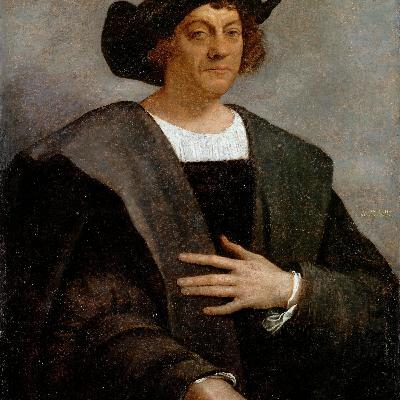
A complicated man in complicated times? A genocidal enslaving maniac? Or something in between? Bob voyages back in time with biographer Matthew Restall (The Nine Lives of Christopher Columbus) to learn about the REAL Christopher Columbus. Together, they separate the flesh-and-blood navigator from the larger-than-life symbol of European conquest, examining Columbus’s ambitions, his treatment of Indigenous peoples, and how his image has been used for centuries to celebrate—and condemn— colonization. GUEST: Matthew Restall, author of The Nine Lives of Christopher Columbus See omnystudio.com/listener for privacy information.
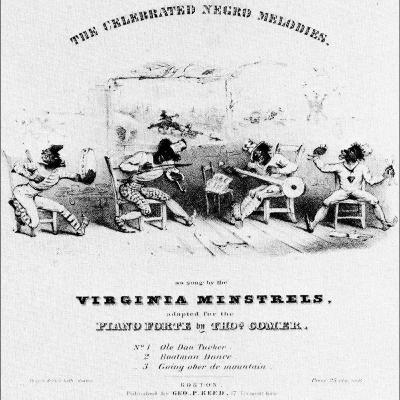
What’s so wrong about a white person painting their face black to entertain a crowd? Well, it helps to understand the history of blackface in America to understand its harmful legacy. Bob and Tyrone Howard trace how 19th-century minstrel shows dehumanized Black Americans, reinforced racist stereotypes, and shaped American culture, politics, and entertainment for generations. They also explore why it's important to learn about the history of slavery, even if it makes you feel guilty or uncomfortable. If you’ve ever wondered why blackface is offensive, this episode will provide some answers. GUEST: Tyrone Howard, professor of education in the School of Education and Information Studies at UCLA. Michelle Harris-Perry’s book is Sister Citizen: Shame, Stereotypes, and Black Women in AmericaSee omnystudio.com/listener for privacy information.

Did Ozzy bite the head off a bat? Is there a political message in Sweet Home Alabama? Bob Crawford sits down with music critic and author Mark Kemp to dissect some rock legends and myths. We'll dive into Lynyrd Skynyrd’s iconic Sweet Home Alabama, unpack the band’s response to Neil Young’s critiques of the South and talk about Ozzy Osbourne's propensity for biting the head off winged creatures. Mark Kemp also helps us understand the intersection of Southern rock and American politics of the1970s, including Lynyrd Skynyrd's references to controversial figures like George Wallace, the Confederate flag and the Watergate scandal. Discover the real stories behind the music (and some fake ones). RIP Ozzy and Ronnie Van Zant. GUEST: Mark Kemp, award-winning music journalist, former Rolling Stone editor, former vice president of music editorial at MTV, and author of the book: Dixie Lullaby: A Story of Music, Race and New Beginnings in a New South. Correction: In this episode we say that Black Sabbath's first album was Paranoid. In fact, their first album was the self-titled Black Sabbath, which came out in February of 1970. Paranoid came out later that fall. See omnystudio.com/listener for privacy information.
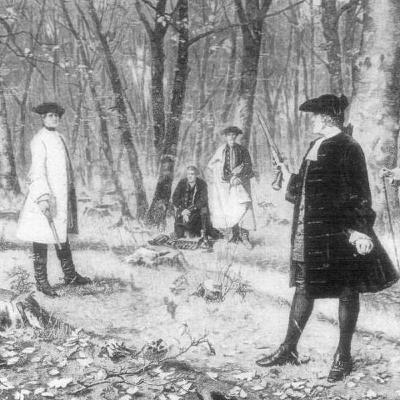
This episode demands satisfaction! Why did Alexander Hamilton and Aaron Burr meet on the dueling ground—and how common were duels in early America? Historian Lindsay Chervinsky joins Bob Crawford on American History Hotline to explore the surprising history of dueling in the United States. From European traditions to the honor culture of the American South, duels shaped politics, reputation, and even presidential legacies. Learn why Andrew Jackson fought so many duels, how Abraham Lincoln nearly crossed swords, and why Burr’s fatal shot at Hamilton changed his career forever. We also dive into the laws that eventually outlawed dueling, what rap battles and playground fights have in common with “affairs of honor,” and whether challenging someone to a duel today could still land you in jail. We get into all these questions about dueling so grab your second, take 10 paces and hit play. GUEST: Lindsay Chervinsky, presidential historian and the Executive Director of the George Washington Presidential Library. She is the author of the award-winning book, The Cabinet: George Washington and the Creation of an American Institution, co-editor of Mourning the Presidents: Loss and Legacy in American Culture, and the forthcoming book, Making the Presidency: John Adams and the Precedents That Forged the RepublicSee omnystudio.com/listener for privacy information.

Buffalo Soldier, dreadlock RastaThere was a Buffalo SoldierIn the heart of AmericaStolen from Africa, brought to AmericaFighting on arrival, fighting for survival Most people know the phrase Buffalo Soldier from Bob Marley’s famous reggae song—but what’s the real history behind it? On this episode of American History Hotline, host Bob Crawford talks with Cale E. Carter II to uncover the true story of the Buffalo Soldiers. Discover who these Black regiments were, how they earned their name, and the crucial role they played on the Western frontier, in the Spanish-American War, and beyond. We explore their battles, their struggles with racism during the Jim Crow era, and the lasting legacy they passed on through World War I, World War II, and even into American culture today. Along the way, we connect the history to Bob Marley’s lyrics, ask what the song got right, and learn how music and memory continue to shape the story of the Buffalo Soldiers. GUEST: Cale E. Carter II, Director of Exhibitions and Military Historian at the Buffalo Soldiers National Museum in Houston, Texas. See omnystudio.com/listener for privacy information.
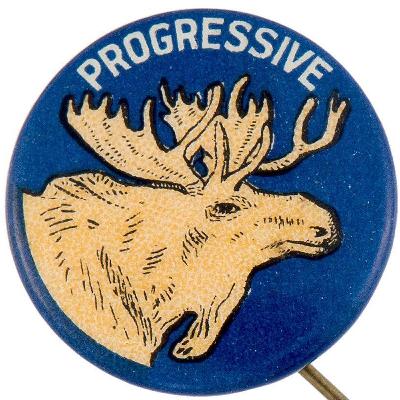
Spoilers ahead! No, not those type of spoilers. We're talking about third party presidential candidates and the reasons third parties can't get a footing in American politics. So, why do third parties fail? And could the current toxicity of both major American political parties create an opening for a centrist third party? GUEST: Michael Cullinane, professor of U.S. History and the Lowman Walton Chair of Theodore Roosevelt Studies at Dickinson State University in North Dakota. He’s also author of the soon-to-be released book: Theodore Roosevelt and the Tennis Cabinet. See omnystudio.com/listener for privacy information.
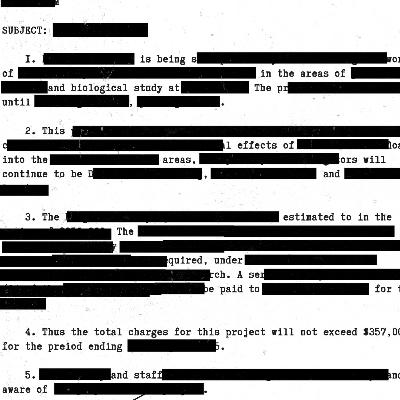
Who was America's most successful spy? What happens to a spy that's captured? How can you tell if your child is lying? We interrogate a former member of the CIA to get some info about American intelligence. GUEST: Brittany Butler, former targeting officer within CIA’s Directorate of Operations, Counterterrorism Center. Author of The Syndicate Spy: A Juliet Arroway Novel. See omnystudio.com/listener for privacy information.
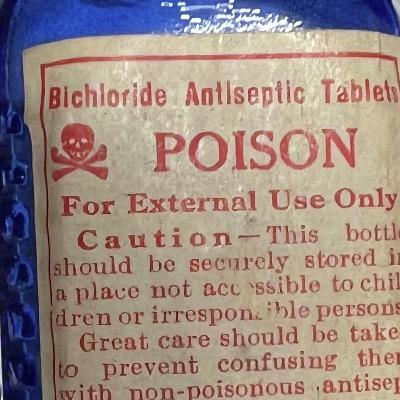
Why did so many women in the 1800s turn to poison to solve their problems? (Sorry husbands). Poisons like mercury, arsenic and strychnine were so cheap and readily available in the Victorian Era that it was called the "Golden Age of Poisoning." Besides being readily available, there were very few tests to detect murder by poison. Combine this with a society where women were powerless and poison becomes "the great equalizer for women in the 19th Century," as science historian Daniel Kevles wrote. But not all poisonings in the 1800s were acts of desperation. Plenty were just good old fashioned murder. DUN DUN DUUUUN!!! Joining Bob Crawford to help sort out the means, motive and opportunity of these Victorian Era women poisoners is Lisa Perrin. GUEST: Lisa Perrin, author and illustrator of the book, The League of Lady Poisoners: Illustrated True Stories of Dangerous Women See omnystudio.com/listener for privacy information.
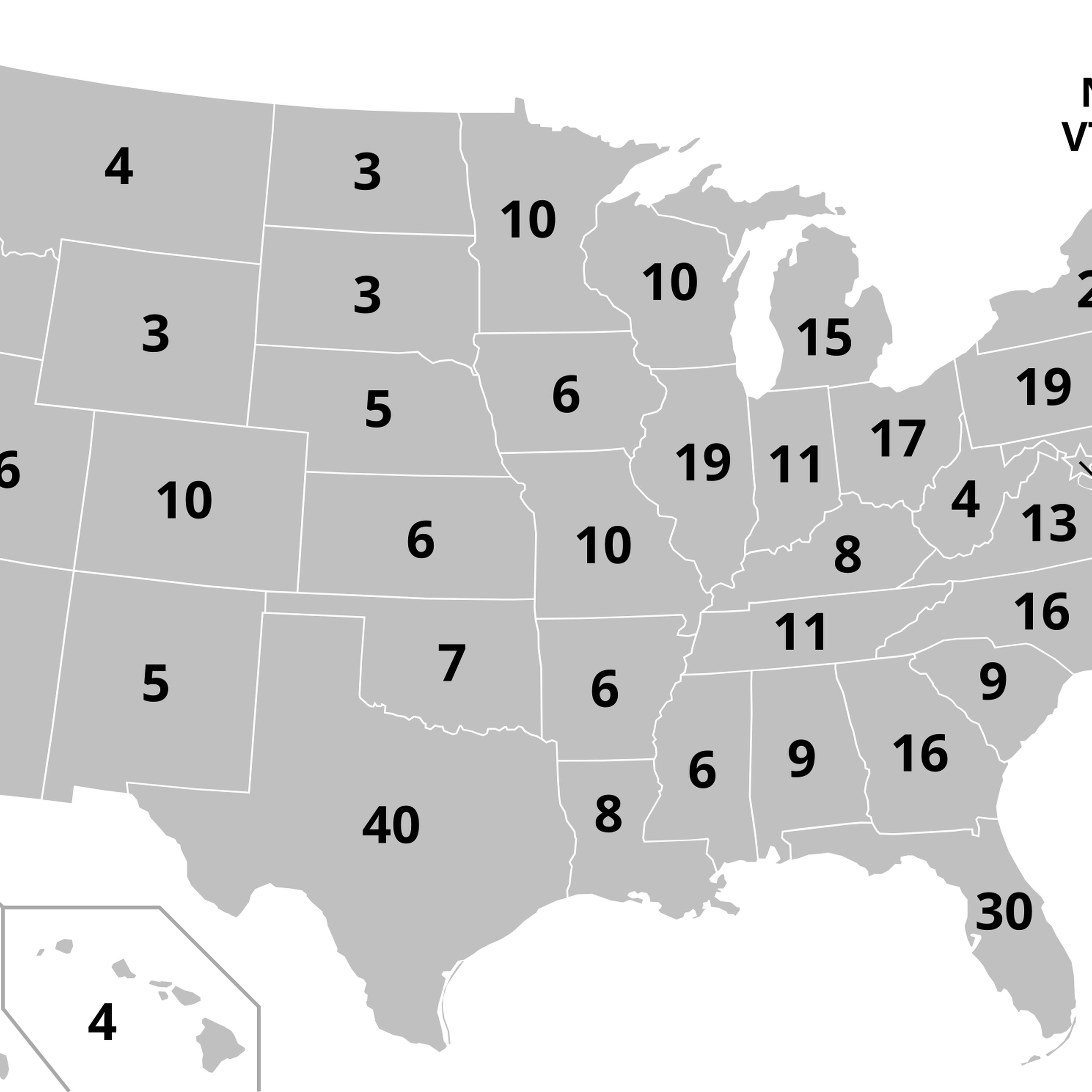
The U.S. Constitution has inspired countless countries to adopt democracy, but NONE have adopted the electoral college. What's up with that? Turns out, if American's National Parks are "the best idea we ever had. Absolutely American, absolutely democratic, they reflect us at our best rather than our worst," as author Wallace Stegner wrote, then the electoral college might be America's worst idea. To figure out if the electoral college is trash, and to break down the origins, pros, cons and future of this unique electoral body, host Bob Crawford called on Peter Sagal. He's not just host of a game show on NPR (shoutout to WBEZ) and an avid marathoner. He's also host of the PBS show CONSTITUTION USA. What's in this episode: Bob and Peter unpack the history and ongoing relevance of the Electoral College, including its origins in balancing slavery, state power, and the popular vote. The conversation also touches on gerrymandering, the influence of political parties, and the challenges of achieving national unity in a polarized political climate. GUEST: Peter Sagal, host of Wait, Wait ... Don't Tell Me! and CONSTITUTION USASee omnystudio.com/listener for privacy information.
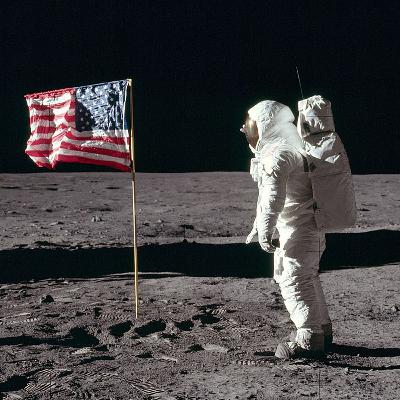
The Moon. We hit it and quit it. But after more than 50 years is it time to rekindle the relationship? We'll explore the reasons we stopped going to the moon and why NOW is the right time to go back (we see you, Artemis). Also, how does a return to the moon get us closer to landing humans on Mars? And how do we overcome some of the logistical and psychological challenges of traveling 35 million miles to our neighboring planet? GUEST: Andrew Chaikin, author of the book A Man on the Moon. Check out his cool new website: DoSpaceBetter.com See omnystudio.com/listener for privacy information.
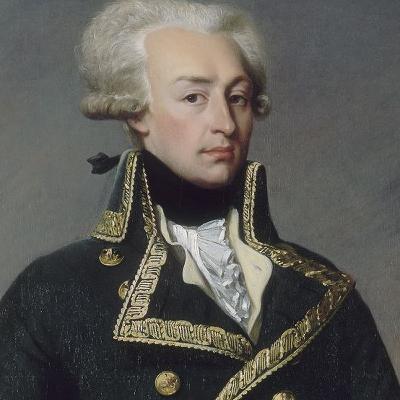
Why did a French-born aristocrat volunteer (without pay) to fight for the Americans during the Revolutionary War? And what happened when the Marquis de Lafayette returned to France to fight in its revolution? And is his name really Marie-Joseph Paul Yves Roch Gilbert du Motier de La Fayette?! This episode is all about Lafayette, including his Era's Tour return to America decades after the revolution. GUEST: Lloyd Kramer, historian and author of the book Lafayette in Two Worlds: Public Cultures and Personal Identities in an Age of RevolutionsSee omnystudio.com/listener for privacy information.
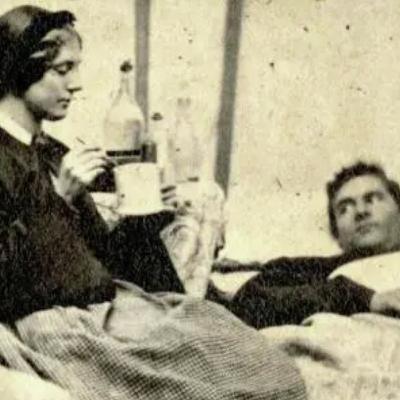
"War is 99 parts diarrhea and one part glory." Walt Whitman had a point when he wrote this. Diseases like dysentery, typhus, and malaria were responsible for 2/3 of the deaths in the Civil War. So, how did illness kill more soldiers on the battlefield than cannons and bayonets? It helps to look at the living conditions and atrocious medical practices in field hospitals during the deadliest war in American history. And it didn't help that sexually transmitted diseases like syphilis were rampant among soldiers. GUEST: Kathryn Olivarius, Associate Professor of History at Stanford University. Check out her book: Necropolis: Disease, Power, and Capitalism in the Cotton KingdomSee omnystudio.com/listener for privacy information.


Download from Google Play

Download from App Store
 United States
Excellent show. Very clear and informative discussions on American History topics I've always thought about. it's also refreshing to hear from the guests who are experts on each topic