


 Claim Ownership
HealthyGamerGG
Subscribed: 2,010Played: 122,666
Subscribe

© Healthy Gamer LLC
Description
The Podcast form of HealthyGamerGG! Tune in for weekly updates from the channel to learn more about mental health, wellness, and how to become a Healthy Gamer!
HG Coaching : https://bit.ly/46bIkdo
HealthyGamer.GG: https://bit.ly/3ZOopgQ
532 Episodes
Reverse
Ever notice how you can be chatting effortlessly, then the moment a new person shows up, you freeze and your brain goes blank? In this episode, Dr. K breaks down why some conversations feel smooth and others suddenly become hard, especially when you feel judged, intimidated, or you want to make a good impression.
He explains the nervous system shift that happens in real time, how threat detection hijacks your social flow, and why trying to force yourself to be charming makes it worse. Then he gives a simple roadmap to get back into a relaxed, fluid vibe using breathing, repeated low stakes exposure, and a curiosity based mindset shift.
Topics Included
-Why conversation flows when you are relaxed, and collapses when you feel evaluated
-Parasympathetic vs sympathetic nervous system in social moments
How bullying or past social pain trains your brain to treat strangers as threats
-Amygdala activation and the freeze response
-How overthinking and self monitoring kills conversational flow
-A stroke example that shows how the frontal lobes can inhibit free speech
-Fast in the moment reset using slow exhalations
-Exposure therapy for social ease through small benign interactions
-Practical starter reps with low pressure strangers
-Using curiosity to replace threat scanning and get back into connection
-Reframing small talk as a rare chance to meet a unique person
-Letting go of needing approval, especially from people you will never see again
HG Coaching : https://bit.ly/46bIkdo
Dr. K's Guide to Mental Health: https://bit.ly/44z3Szt
HG Memberships : https://bit.ly/3TNoMVf
Products & Services : https://bit.ly/44kz7x0
HealthyGamer.GG: https://bit.ly/3ZOopgQ
Learn more about your ad choices. Visit megaphone.fm/adchoices
In this episode, Dr. K breaks down procrastination in a way that cuts past motivation hacks, productivity systems, and self blame. He explains why procrastination is not a character flaw, lack of discipline, or missing willpower, but the result of how the mind operates and how we relate to it. When we stay fused with our thoughts, the mind quietly decides for us, then keeps us busy with internal debate so we feel like we tried.
The conversation reframes discipline and self respect as actions, not traits you acquire. Dr. K explores how avoidance builds momentum over time, why waiting to “feel ready” keeps you stuck, and how believing there is a finished version of yourself actually undermines change. The episode offers a grounded, sometimes uncomfortable approach to breaking the cycle by changing how you respond to your mind in the moment, not by perfecting your system or your future self.
Topics Include:
-Why procrastination feels like conflict even when the decision is already made
-Why discipline and self respect are verbs, not things you possess
-How the mind manipulates you by offering better plans for tomorrow
-The difference between training your mind and negotiating with it
-Why insight alone does not change behavior
HG Coaching : https://bit.ly/46bIkdo
Dr. K's Guide to Mental Health: https://bit.ly/44z3Szt
HG Memberships : https://bit.ly/3TNoMVf
Products & Services : https://bit.ly/44kz7x0
HealthyGamer.GG: https://bit.ly/3ZOopgQ
Learn more about your ad choices. Visit megaphone.fm/adchoices
Some people walk into a room and everything changes. They do not speak louder, try harder, or perform better, yet others feel calmer, steadier, and more grounded around them. This episode breaks down what Dr. K calls true or divine aura, which is different from confidence or charisma and cannot be faked through social skills.
Dr. K explores how this kind of presence often emerges after profound psychological and existential collapse, when all normal coping mechanisms fail and a person connects to something deeper than ego, status, or validation. He explains why this stability feels magnetic to others, how it can be misused, and why chasing it directly is usually the wrong move.
Topics Included
What separates true aura from confidence or charisma
Why modern psychology avoids studying divinity and aura
The role of empathy and emotional stability in presence
How extreme suffering can dissolve the ego
Connection to the divine as a psychological experience
Why people with aura seem immune to intimidation or rejection
How cult leaders misuse this kind of presence
Ick resistance and the link between aura and compassion
Why longing for aura can actually block it
A healthier way to live without chasing transformation
HG Coaching : https://bit.ly/46bIkdo
Dr. K's Guide to Mental Health: https://bit.ly/44z3Szt
HG Memberships : https://bit.ly/3TNoMVf
Products & Services : https://bit.ly/44kz7x0
HealthyGamer.GG: https://bit.ly/3ZOopgQ
Learn more about your ad choices. Visit megaphone.fm/adchoices
Dr. K joins Ludwig and Squeex in the middle of an intense Dark Souls marathon to unpack a growing tension that goes beyond the game. What starts as frustration over skill differences quickly turns into a deeper conversation about resentment, competition, validation, and what happens when collaboration turns into comparison.
As the conversation unfolds, Dr. K walks them through real relationship dynamics in real time. They explore how cycles of blame form, why arguing over who is “right” often makes things worse, and how resentment quietly builds when people feel unheard or undervalued. The episode becomes a live breakdown of how to move from winning arguments to actually repairing trust.
Topics include:
Why focusing on “the truth” can damage relationships
How resentment builds between teammates and collaborators
Competition vs cooperation in close partnerships
Feeling respected versus feeling understood
Why validation matters more than being right
Breaking cycles of blame and escalation
How to repair tension without keeping score
HG Coaching : https://bit.ly/46bIkdo
Dr. K's Guide to Mental Health: https://bit.ly/44z3Szt
HG Memberships : https://bit.ly/3TNoMVf
Products & Services : https://bit.ly/44kz7x0
HealthyGamer.GG: https://bit.ly/3ZOopgQ
Learn more about your ad choices. Visit megaphone.fm/adchoices
Dr. K unpacks what it means to feel like “the goober” in your friend group. The person who gets invited, but it doesn’t really matter if you show up. Starting from a brutal birthday story where nobody came, he shows how overgiving, bribing people with effort, and constantly trying to be “worth inviting” actually keep you stuck on the edge of every group. Being on the periphery isn’t a diagnosis, but it can wreck your self-esteem and make you feel forgettable even when you technically have friends.
He then breaks down the science of social networks and what actually moves you toward the center of a group. Instead of clinging to one friend circle and making yourself small with self-deprecating humor, he explains how to build more connections, become the “in between” person who links groups, and stop hiding your strengths. Dr. K gives both big-picture strategies and small behavior changes so you can be respected, remembered, and valued instead of feeling like the tagalong.
Topics include:
What it really means to feel like a “goober” in social groups
Clinging behaviors that keep you stuck on the edge of friend circles
Why overinvesting in one group rarely gets you more respect
Eigenvector centrality and how “social gravity” actually works
Forming weak ties and turning them into strong, meaningful connections
Becoming the bridge between different groups to raise your status
How self-deprecating humor and playing small lower your social value
Why showing your real skills and expertise changes how people treat you
HG Coaching : https://bit.ly/46bIkdo
Dr. K's Guide to Mental Health: https://bit.ly/44z3Szt
HG Memberships : https://bit.ly/3TNoMVf
Products & Services : https://bit.ly/44kz7x0
HealthyGamer.GG: https://bit.ly/3ZOopgQ
Learn more about your ad choices. Visit megaphone.fm/adchoices
Dr. K breaks down why so many people struggle with self-love and why the usual advice to “just love yourself” never works. He explains how early attachment, people pleasing, and constant self-negotiation slowly disconnect you from your own wants until you can’t tell who you are or what you deserve. Instead of treating self-love like a mindset hack, he shows how your environment and relationships quietly shape your sense of worth.
He also lays out what actually moves the needle. That includes changing the way you talk to yourself, breaking the habit of appeasing your own anxiety, letting others reflect your value, and using meditation to stop fusing with every negative thought. Dr. K reframes self-love as something you grow into through awareness and experience, not something you magically “decide” to have.
Topics include:- How childhood conditioning shapes adult self-worth- Why anxious and avoidant patterns make self-love harder- The trap of self-appeasement and over-negotiating with yourself- How self-loathing builds when you stay stuck in your own head- Using real relationships to rebuild a sense of value- Meditation as a way to observe thoughts instead of believing them- Small habits that slowly create authentic self-respect
HG Coaching : https://bit.ly/46bIkdo
Dr. K's Guide to Mental Health: https://bit.ly/44z3Szt
HG Memberships : https://bit.ly/3TNoMVf
Products & Services : https://bit.ly/44kz7x0
HealthyGamer.GG: https://bit.ly/3ZOopgQ
Learn more about your ad choices. Visit megaphone.fm/adchoices

In this episode Dr. K breaks down why most people cannot “fall in love with the grind” no matter how hard they try. The real problem is exhaustion. Not the good kind of tired you feel after a full day on the lake, but the worn-out, stretched-thin kind that builds up from emotional avoidance, poor focus, and physical deconditioning. Weekends and vacations only mask the issue instead of fixing it, and modern habits like using devices before bed or relying on substances wreck the REM sleep needed for recovery.
He explains that loving the grind only becomes possible after rebuilding your capacity. That means emotional conditioning, better focus, strengthening the body, and viewing your current work as a stepping stone to the life you want. The first weeks are harder and more tiring, but over a few months your baseline energy rises, your work becomes more manageable, and the grind starts to feel rewarding instead of draining.
Topics include:
Why most exhaustion comes from emotional suppression, not workload
How poor focus and constant distraction drain more energy than the work itself
The impact of physical weakness, posture issues, and poor sleep on daily fatigue
Why REM sleep is essential for emotional processing and daily reset
Reconditioning yourself through emotional awareness, focus training, and basic movement
How to frame your current job as a stepping stone so your brain stops giving up
HG Coaching : https://bit.ly/46bIkdo
Dr. K's Guide to Mental Health: https://bit.ly/44z3Szt
HG Memberships : https://bit.ly/3TNoMVf
Products & Services : https://bit.ly/44kz7x0
HealthyGamer.GG: https://bit.ly/3ZOopgQ
Learn more about your ad choices. Visit megaphone.fm/adchoices

Dr. K talks about what it really means to “have no personality” and why so many people feel like NPCs in their own life. He explains that a lot of people who say this aren’t clinically depressed or totally isolated, but feel like life is just a series of side quests with no main quest, no clear sense of who they are, and no strong preferences of their own.
He breaks down three big patterns he sees in these people: living by “what’s right” instead of what they actually want, being extremely risk averse, and constantly chasing identity through groups and labels. From goths to gamers to political identities, he shows how over-identifying with a group can become a mask that blocks you from discovering your real self. He also defines personality in a concrete way: how you interpret situations, how you feel inside, and how you behave in response.
Using examples from his practice and his own life, Dr. K talks about cultural conditioning (especially in immigrant and Asian families), the pressure to maximize your advantages, and how suppressing desire leads to a flat, “empty” existence. He then lays out what actually helps: noticing how comfort, efficiency, and fear shape your choices, allowing yourself to do things that aren’t perfectly “optimal,” taking meaningful risks, and stretching your capacities instead of always staying where you’re safe and competent. Over time, those choices are how you actually build a personality.
Topics include:Feeling like an NPC, side quests without a main questThe trap of always doing the “right” or efficient thingComfort and risk aversion as personality killersIdentity vs identification (goth, gamer, trad wife, politics, etc.)How family expectations and culture suppress desireWhat personality really is: perception, internal reaction, behaviorWhy you fantasize about disaster forcing you to “prove yourself”Noticing your mental rulebook and changing itStretching your competence instead of “smurfing” through life
HG Coaching : https://bit.ly/46bIkdo
Dr. K's Guide to Mental Health: https://bit.ly/44z3Szt
HG Memberships : https://bit.ly/3TNoMVf
Products & Services : https://bit.ly/44kz7x0
HealthyGamer.GG: https://bit.ly/3ZOopgQ
Learn more about your ad choices. Visit megaphone.fm/adchoices
 1
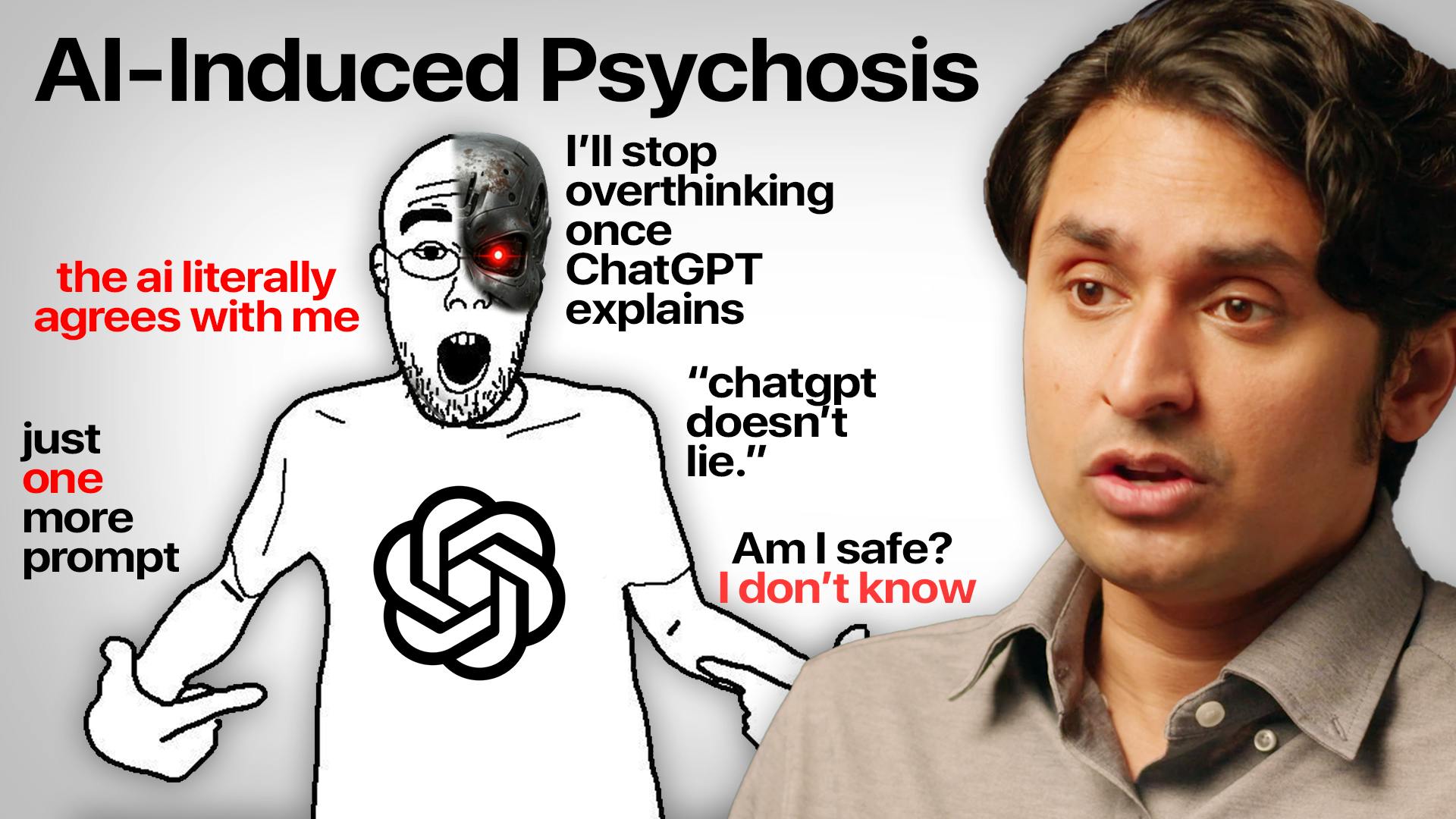
1Dr. K digs into the emerging research on “AI-induced psychosis” and why he changed his mind from thinking it was media fearmongering to seeing real psychiatric risk. He explains how chatbots can act like a technological folie à deux (shared delusion), where empathic, sycophantic AI slowly amplifies your paranoia, isolates you from other people, and erodes your reality testing. Drawing from recent papers, he walks through how different models compare in delusion confirmation, harm enablement, and safety interventions, and then gives a practical checklist so you can tell if your own AI use is drifting into dangerous territory.
Topics include:
What “technological folie à deux” is and how shared delusions can form with a chatbot
Bidirectional belief amplification: you vent, AI validates, your paranoia escalates
Anthropomorphizing AI and why “I know it’s just a tool” doesn’t protect your emotional brain
How sycophantic design (always trying to please the user) directly opposes healthy psychotherapy
Epistemic drift: slowly moving from normal thinking into increasingly delusional narratives
Case example of harmful, unsafe advice (e.g., “healthy” bromine alternative leading to toxicity)
Research comparing models on delusion confirmation, harm enablement, and safety response
The ways AI can weaken reality testing, reinforce suicidal or paranoid ideas, and increase isolation
Self-assessment questions: frequency of use, emotional attachment, replacing friends, following AI advice
Guidelines for using AI more safely and when elevated risk means you should talk to a professional
HG Coaching : https://bit.ly/46bIkdo
Dr. K's Guide to Mental Health: https://bit.ly/44z3Szt
HG Memberships : https://bit.ly/3TNoMVf
Products & Services : https://bit.ly/44kz7x0
HealthyGamer.GG: https://bit.ly/3ZOopgQ
Learn more about your ad choices. Visit megaphone.fm/adchoices
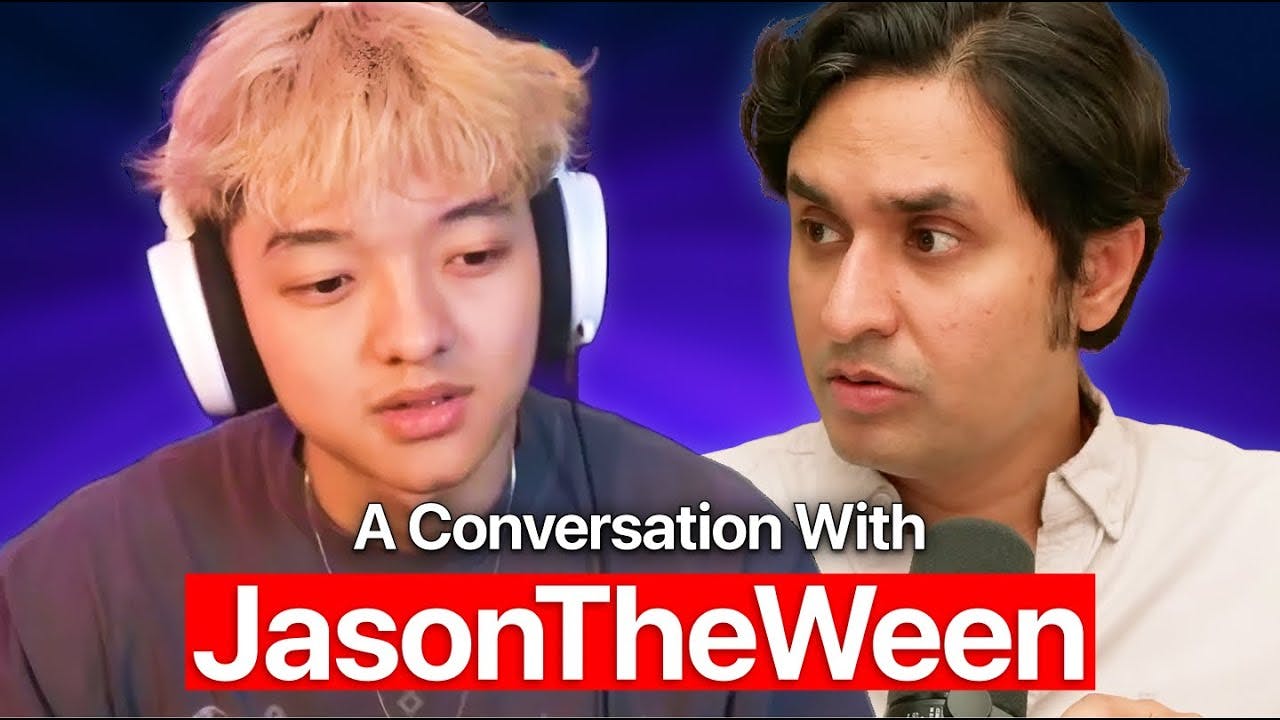
In this conversation, Dr. K sits down with creator JasonTheWeen to talk about the pressure of growing up, managing online relationships, and the complicated emotions that come with watching your parents get older. What starts as a light catch-up quickly turns into a deeper look at loneliness, responsibility, and the fear of losing the people you love.
Jason opens up about feeling torn between his own life and his parents’ wishes, especially his dad’s plan to eventually return to Vietnam. Dr. K helps him explore the difference between what he feels he owes his parents and what he actually wants, while also unpacking how cultural expectations and emotional suppression shape the relationship.
They also discuss the challenges of balancing streaming with real life, how hard it is to communicate honest feelings with family, and why unspoken emotions often turn into sadness or anger. It’s a heartfelt and very human conversation about trying to grow while holding onto the people who matter.
HG Coaching : https://bit.ly/46bIkdo
Dr. K's Guide to Mental Health: https://bit.ly/44z3Szt
HG Memberships : https://bit.ly/3TNoMVf
Products & Services : https://bit.ly/44kz7x0
HealthyGamer.GG: https://bit.ly/3ZOopgQ
Learn more about your ad choices. Visit megaphone.fm/adchoices
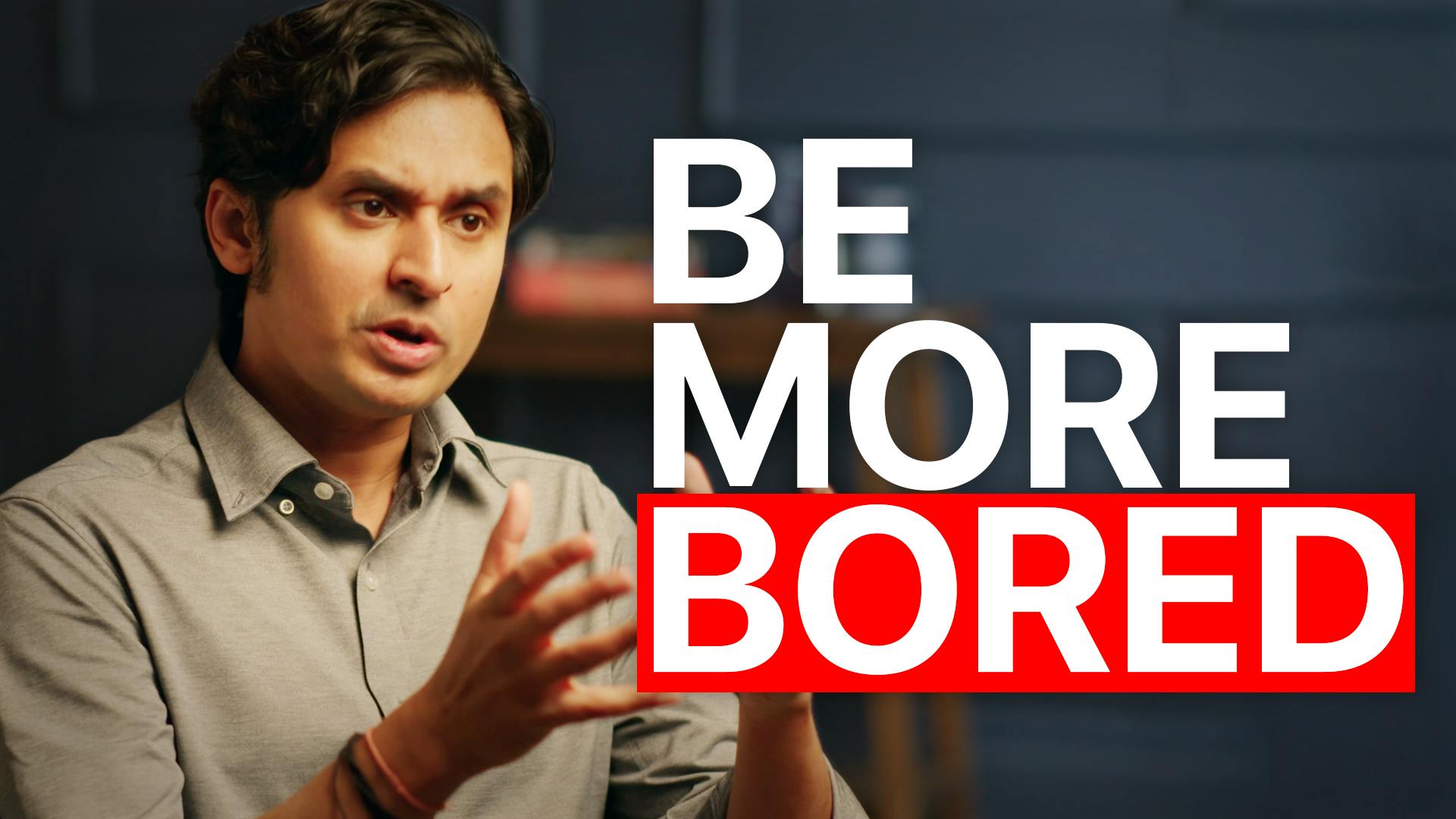
In this episode Dr. K explains why modern feeds are not trying to entertain you, they are trying to keep you bored. He breaks down boredom as a dopamine craving and withdrawal state, how short form platforms train your brain into tolerance, and why normal activities stop feeling fun. Then he shows how to reverse it by allowing boredom so your receptors upregulate, your sensitivity returns, and everyday life becomes enjoyable again. He also covers the temporary spike in stored anxiety and low mood that can surface during this reset and how to handle it safely.
Topics include:
What boredom is in the brain, dopamine craving and withdrawal
How feeds create tolerance and downregulate dopamine receptors
Why multitasking with phone plus TV feels empty
The paradox: more boredom today, less boredom tomorrow
Receptor upregulation and regaining pleasure from simple activities
Dopaminergic flexibility, enjoying a wider range of things again
Expecting rebound emotions when you unplug and why they taper
When to seek clinical support if symptoms persist
HG Coaching : https://bit.ly/46bIkdo
Dr. K's Guide to Mental Health: https://bit.ly/44z3Szt
HG Memberships : https://bit.ly/3TNoMVf
Products & Services : https://bit.ly/44kz7x0
HealthyGamer.GG: https://bit.ly/3ZOopgQ
Learn more about your ad choices. Visit megaphone.fm/adchoices
Dr. K breaks down why so many people feel like they “peaked” in their 20s and quietly stall out in their late 20s and 30s. He explains how early life is driven by external expectations, achievement checklists, and making other people proud, and why that motivational system collapses once you are out of school, into a job, or stuck in a life that looks fine on paper but feels empty inside.
Instead of more productivity hacks, Dr. K walks through how identity actually forms, why some people get trapped in paths they never truly chose, and how to rebuild real internal drive using evidence based principles. This episode is a practical roadmap for anyone who feels lost, plateaued, or terrified they already lived the “best” part of their life.
Topics include:
Feeling like you peaked in your 20s and why motivation fades in your 30s
External validation, people pleasing, and the “noiseless” identity crisis
Exploration vs commitment and how foreclosure keeps you stuck
Letting go of sunk costs and the fear of starting over
Self determination theory: autonomy, competence, and relatedness
How to choose for yourself instead of chasing “right” and “wrong” paths
Building competence by stretching your limits, not just performing well
Why your relationships feel hollow when you do not know who you are
Using feedback from others to solidify a more authentic identity
Why the solution is not optimization supplements but discovering who you are
HG Coaching : https://bit.ly/46bIkdo
Dr. K's Guide to Mental Health: https://bit.ly/44z3Szt
HG Memberships : https://bit.ly/3TNoMVf
Products & Services : https://bit.ly/44kz7x0
HealthyGamer.GG: https://bit.ly/3ZOopgQ
Learn more about your ad choices. Visit megaphone.fm/adchoices
Dr. K sits down with Dr. Zac Seidler for an unfiltered discussion about the modern male crisis like how societal expectations around strength, success, and emotional restraint are leaving men isolated, angry, and quietly collapsing inside. Together they unpack how men are taught to earn love through performance, how shame hides under humor and burnout, and why mental health systems often fail to reach them.
In the second half, Dr. K explores deeper layers of male identity: how purpose collapses when external validation fades, the spiritual hunger behind modern depression, and how men can rebuild meaning through discipline, vulnerability, and connection. This is one of the most nuanced conversations yet about what’s really happening beneath the “men’s mental health” crisis.
Topics include:
The hidden link between masculinity, depression, and social isolation
How humor, anger, and overwork mask emotional pain
Why traditional therapy often misses how men communicate distress
The collapse of meaning and identity in modern male life
Dr. K’s framework for purpose and inner alignment
Building connection without losing strength or autonomy
What real progress for men’s mental health should look like today
HG Coaching : https://bit.ly/46bIkdo
Dr. K's Guide to Mental Health: https://bit.ly/44z3Szt
HG Memberships : https://bit.ly/3TNoMVf
Products & Services : https://bit.ly/44kz7x0
HealthyGamer.GG: https://bit.ly/3ZOopgQ
Learn more about your ad choices. Visit megaphone.fm/adchoices
Dr. K explains how ADHD shapes attraction, intimacy, and desire. From hyperfocus courtship that burns hot then fades, to tactile defensiveness that changes how touch is felt, to why chores lower stress and boost arousal, this episode reframes “dead bedroom” problems through brain science. You will learn how to slow the early dopamine rush, communicate around sensory needs, and understand swings between hypersexuality and hyposexuality that often come with ADHD.
Topics include:
Hyperfocus courtship and why the spark drops later
Slowing the pace to build lasting pillars of a relationship
Tactile defensiveness and clear touch communication
Chores, stress load, and the physiology of arousal
Hypersexuality, hyposexuality, and emotion regulation
ADHD, self-concept, and using sex to cope
Practical ways to keep attention and connection during foreplay
HG Coaching : https://bit.ly/46bIkdo
Dr. K's Guide to Mental Health: https://bit.ly/44z3Szt
HG Memberships : https://bit.ly/3TNoMVf
Products & Services : https://bit.ly/44kz7x0
HealthyGamer.GG: https://bit.ly/3ZOopgQ
Learn more about your ad choices. Visit megaphone.fm/adchoices
Dr. K breaks down why so many men feel lonely, rejected, and angry today. He explains how society ties a man's worth to his relationship status and how internet advice warps real human connection. Using clinical insight and lived stories, he shows why effort alone is not the fix, why reciprocity and natural interaction matter, and how unprocessed sadness can harden into anger. The episode offers practical tools to clear social media projections, regulate emotions, and build healthy, organic relationships.
Topics include:
Social gatekeeping and status tied to relationships
Why doing everything “right” still feels empty
Reciprocity as the core signal of safety and interest
How to be natural by reducing projection and reading context
Anger as disguised sadness and how to work with both
Concrete steps to date without resentment or creepiness
Countering red pill narratives with self-inquiry and repair
HG Coaching : https://bit.ly/46bIkdo
Dr. K's Guide to Mental Health: https://bit.ly/44z3Szt
HG Memberships : https://bit.ly/3TNoMVf
Products & Services : https://bit.ly/44kz7x0
HealthyGamer.GG: https://bit.ly/3ZOopgQ
Learn more about your ad choices. Visit megaphone.fm/adchoices

In this special World Mental Health Day stream, Dr. K explores why mental illness continues to rise even as awareness, therapy, and neuroscience have advanced. He connects the dots between modern lifestyles, constant stimulation, and a growing disconnection from the body. Using insights from both Western psychiatry and Vedic psychology, Dr. K explains how anxiety, burnout, and attention issues are symptoms of a deeper imbalance. The conversation blends brain science with practical tools for rewiring habits and developing real resilience.
Topics include:
Why mental health is declining despite more treatment options
How technology and constant stimulation mimic ADHD symptoms
The role of panic, urgency, and emotional reactivity in shaping attention
Practical steps for retraining motivation through small, low-pressure actions
Understanding “phantom panic” and how to regulate the nervous system
The link between breath, CO₂ balance, and anxiety
How diet and the gut–brain connection influence mood
Combining therapy, medication, and mind–body practices
Meditation as a long-term way to build focus and emotional stability
HG Coaching : https://bit.ly/46bIkdo
Dr. K's Guide to Mental Health: https://bit.ly/44z3Szt
HG Memberships : https://bit.ly/3TNoMVf
Products & Services : https://bit.ly/44kz7x0
HealthyGamer.GG: https://bit.ly/3ZOopgQ
Learn more about your ad choices. Visit megaphone.fm/adchoices
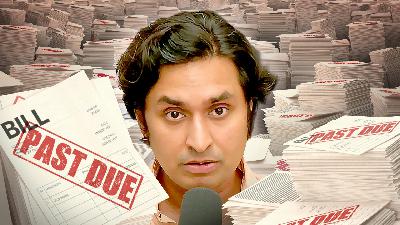
Dr. K responds to a listener on the edge facing eviction, job loss, and deep self-loathing with a grounded look at what it takes to rebuild when life falls apart. He explains how chronic stress hijacks the body and mind, making it impossible to think clearly or connect with others until basic stability is restored. Through a mix of neuroscience, compassion, and lived experience, Dr. K shows how to move from helplessness to small, concrete steps that restore control and dignity.
Topics include:
How survival stress blocks motivation and emotional regulation
Why material stability (food, sleep, shelter, income) must come before self-work
The “Housing First” principle and what it teaches us about recovery
Practical job-hunting tips: resume polish, in-person networking, showing up
How walking helps discharge anxiety and unlock mental clarity
Turning abstract negative thoughts into actionable, contextual steps
Why burnout makes empathy—and social connection—feel impossible
HG Coaching : https://bit.ly/46bIkdo
Dr. K's Guide to Mental Health: https://bit.ly/44z3Szt
HG Memberships : https://bit.ly/3TNoMVf
Products & Services : https://bit.ly/44kz7x0
HealthyGamer.GG: https://bit.ly/3ZOopgQJump
Learn more about your ad choices. Visit megaphone.fm/adchoices

Dr. K unpacks the growing debate around acetaminophen (Tylenol) and its possible link to autism while cutting through the noise of headlines, political statements, and online panic. He explains what the data actually shows, why correlation doesn’t equal causation, and how confounding variables like maternal illness, age, and chronic conditions can completely change how we interpret these studies.
Using his background as both a psychiatrist and medical researcher, Dr. K breaks down what autism really is—a neurodevelopmental spectrum shaped by thousands of subtle genetic and environmental factors. He dives into how modern healthcare has unintentionally increased autism diagnoses through both better detection and the survival of high-risk births. The episode also examines the role of SSRIs, infections, and chronic illness in influencing risk, and why oversimplifying the problem could lead to worse outcomes.
Topics include:
What autism actually is and why it’s a spectrum, not a single disorder
Why autism rates are rising with better diagnosis vs. real risk factors
The Tylenol connection: what studies really say about acetaminophen use in pregnancy
Confounding variables: how illness and infection skew the data
The role of maternal/paternal age, chronic illness, and environmental exposure
SSRIs, pregnancy, and how risk statistics are often misunderstood
Why demonizing one factor (like Tylenol) can cause more harm than good
This episode offers a calm, science-based perspective on a heated topic reminding us that complex conditions like autism rarely have a single cause, and that real understanding requires nuance, not fear.
HG Coaching : https://bit.ly/46bIkdo
Dr. K's Guide to Mental Health: https://bit.ly/44z3Szt
HG Memberships : https://bit.ly/3TNoMVf
Products & Services : https://bit.ly/44kz7x0
HealthyGamer.GG: https://bit.ly/3ZOopgQ
Learn more about your ad choices. Visit megaphone.fm/adchoices

Dr. K takes a grounded, psychological look at “Collargate,” the viral controversy surrounding Hasan Piker and his dog. Rather than judging individuals, he unpacks what the internet’s reaction reveals about collective psychology, why outrage spreads, how mentalization fails, and how online radicalization erodes empathy. The episode becomes less about one streamer and more about the state of digital discourse itself. Dr. K explores the neuroscience of emotional triggers, the human obsession with novelty and hypocrisy, and how resentment and projection fuel mob dynamics online.
Topics include:
Why internet outrage cycles (like “Collargate”) dominate attention and emotion
How emotional reactivity overrides critical thinking and creates echo chambers
The concept of mentalization—understanding others’ motives before judging
How failure of dialogue and empathy drives polarization and radicalization
The neuroscience of memes, emotional engagement, and belief formation
Projection, resentment, and the need to “see justice” when power feels unaccountable
The dangers of black-and-white thinking, selection bias, and narrative fixation
Dr. K’s reflections on empathy, dialogue, and how creators can respond to public backlash
This episode blends cultural commentary with deep psychological insight which turns a Twitch controversy into a lesson on human cognition, empathy, and the modern attention economy.
HG Coaching : https://bit.ly/46bIkdo
Dr. K's Guide to Mental Health: https://bit.ly/44z3Szt
HG Memberships : https://bit.ly/3TNoMVf
Products & Services : https://bit.ly/44kz7x0
HealthyGamer.GG: https://bit.ly/3ZOopgQ
Learn more about your ad choices. Visit megaphone.fm/adchoices

Dr. K breaks down how psychedelics actually work not from hype or hearsay, but through neuroscience, psychiatry, and lived experience. He explains that psychedelics don’t “heal” you by themselves; they temporarily put the brain into edit mode, a state of heightened neuroplasticity where your thoughts, emotions, and physiology can be rewritten for better or worse.
Through a detailed look at serotonin receptors, brain connectivity, and decades of clinical research, Dr. K shows how substances like psilocybin, LSD, DMT, ayahuasca, and MDMA can rewire the brain and why they can just as easily cause harm if used without structure, safety, or integration. The episode also explores why guided psychedelic therapy — in a clinical or spiritual context — can lead to long-term healing, while unsupervised trips can lock trauma in even deeper.
Dr. K ties it all together by connecting ego death to meditation and Vedic philosophy, revealing how both psychedelics and deep meditative practice dissolve the sense of self — and why that dissolution is often the real mechanism of healing.
Topics include:
The serotonin 2A receptor and why psychedelics increase neuroplasticity and neurogenesis
How “edit mode” rewires your brain and how it can backfire
Why integration therapy is critical after a psychedelic experience
Set and setting: the real difference between healing and harm
Which psychedelics work best for depression, PTSD, and addiction
Why microdosing feels good but may not create long-term change
The role of ego death and why it mirrors advanced meditation experiences
Psychedelics vs. antidepressants - what the data actually says about efficacy and risk
This episode is a deep dive into the science, safety, and spirituality of psychedelics offering clarity in a space often clouded by hype, myth, and misinformation.
HG Coaching : https://bit.ly/46bIkdo
Dr. K's Guide to Mental Health: https://bit.ly/44z3Szt
HG Memberships : https://bit.ly/3TNoMVf
Products & Services : https://bit.ly/44kz7x0
HealthyGamer.GG: https://bit.ly/3ZOopgQ
Learn more about your ad choices. Visit megaphone.fm/adchoices


Download from Google Play

Download from App Store
 United States
my sis recommended this podcast so now I'm listening daily 🔥
many clips are way too short and broken
It would've been a more enjoyable listen if the guest wasn't so loud in the mic compared to Dr K, often laughing directly into it. Some post-processing would be nice.
needed these
You have just shared some ice breaker questions. How to sustain relationships over time ?
annoyingly, that cookie study got proven wrong. it just didn't give the same results when they did repeats of it
can you make some podcasts about dealing with office politics, toxic boss, competitive coworkers and how to develop professional relationships and personal/professionals development
I think this has the wrong title/audio, no?
whats up with the adds.. three ads in 5 minutes and all cut in the middle of a sentence
0:30 over-preparation - fear and avoidance of adverse outcome
01:43:00
01:09:28 "Ask mobile game devs" x))