


 Claim Ownership
Life Kit: Parenting
Subscribed: 8,621Played: 128,428
Subscribe


© Copyright 2019-2025 NPR - For Personal Use Only
Description
Raising awesome kids takes help. NPR has science and experts to get you through the toughest parenting moments. Updated every time we have Life Kit episodes on parenting.
Want another life hack? Try Life Kit+. Your subscription supports the show and unlocks an exclusive sponsor-free feed. Learn more at plus.npr.org/lifekit
Want another life hack? Try Life Kit+. Your subscription supports the show and unlocks an exclusive sponsor-free feed. Learn more at plus.npr.org/lifekit
110 Episodes
Reverse

There can be a lot of stress when it comes to the holidays: figuring out travel plans, preparing the perfect meal, spending time with the whole family for days on end. There can also be a lot pressure to do everything perfectly, but psychotherapist and author of All Is Calmish: How to Feel Less Frantic and More Festive During the Holidays, Niro Feliciano, says that letting go of the need for perfection can actually make your holiday less stressful. This episode, Feliciano shares tips for keeping your holiday season merry and bright.Follow us on Instagram: @nprlifekitSign up for our newsletter here.Have an episode idea or feedback you want to share? Email us at lifekit@npr.orgSupport the show and listen to it sponsor-free by signing up for Life Kit+ at plus.npr.org/lifekitLearn more about sponsor message choices: podcastchoices.com/adchoicesNPR Privacy Policy
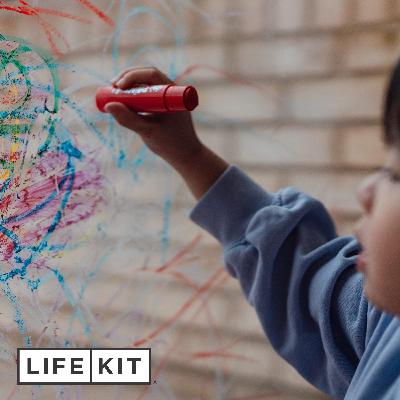
Toddlerhood is a big and beautiful period of self-discovery. Kids are picking up new cognitive and motor skills and learning language a mile a minute. But there are some behaviors in this age range that can be confusing, frustrating or spirit-breaking for parents, like tantrums, hitting, stealing toys and more. This episode, Life Kit reporter Andee Tagle helps you decode your toddler's behavior and address it more strategically.Follow us on Instagram: @nprlifekitSign up for our newsletter here.Have an episode idea or feedback you want to share? Email us at lifekit@npr.orgSupport the show and listen to it sponsor-free by signing up for Life Kit+ at plus.npr.org/lifekitLearn more about sponsor message choices: podcastchoices.com/adchoicesNPR Privacy Policy

When deciding between colleges, it can be tempting to let prestige guide your choice. But so many factors go into finding the right fit: research opportunities, campus extracurriculars, social life, specific classes or programs, and of course, very real financial considerations. This episode, higher education journalist Jeffrey Selingo, author of Dream School: Finding the College That’s Right for You, outlines what students and parents should consider when choosing a school.Follow us on Instagram: @nprlifekitSign up for our newsletter here.Have an episode idea or feedback you want to share? Email us at lifekit@npr.orgSupport the show and listen to it sponsor-free by signing up for Life Kit+ at plus.npr.org/lifekitLearn more about sponsor message choices: podcastchoices.com/adchoicesNPR Privacy Policy
 1
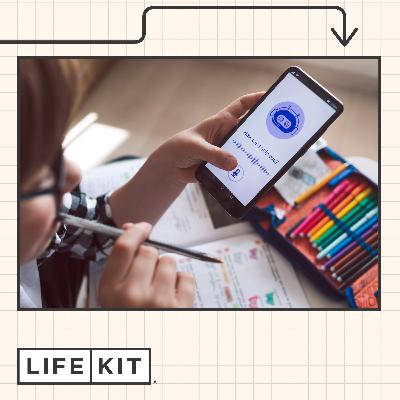
1High school and college students graduating in 2026 will have had access to artificial intelligence models like ChatGPT since their freshman year. Teens are using it in creative ways to help them study, but many have also received little to no guidance on responsible use. In this episode, we discuss how to talk to teens about AI, including its risks and potential benefits for young people.Follow us on Instagram: @nprlifekitSign up for our newsletter here.Have an episode idea or feedback you want to share? Email us at lifekit@npr.orgSupport the show and listen to it sponsor-free by signing up for Life Kit+ at plus.npr.org/lifekitLearn more about sponsor message choices: podcastchoices.com/adchoicesNPR Privacy Policy

Today's teens struggle with perfectionism and mood swings, and their parents struggle to have hard conversations with them, according to a 2024 Walton Family Foundation and Gallup poll. Teen psychologist Lisa Damour explains how parents can better support their kids as a new school year begins. This episode originally published Aug. 27, 2024.Learn more about sponsor message choices: podcastchoices.com/adchoicesNPR Privacy Policy
From pregnancy tracking apps to smart baby monitors, technology is ingrained in parenthood at every turn. But at what cost? In this episode, Amanda Hess, author of Second Life: Having a Child in the Digital Age, shares how data, metrics and our relationship to technology can shape child-rearing — and create barriers between parents and their kids.Learn more about sponsor message choices: podcastchoices.com/adchoicesNPR Privacy Policy

If you have kids, cooking with them might sound like a daunting prospect. But David Nayfeld, the chef behind the new book, Dad, What's for Dinner?, says cooking with your kids can create positive memories and help your kids build useful skills. In this episode, Nayfeld shares easy weeknight recipes to try with your kids and cooking tasks children can help with at any age. Yes, it might get messy, but that's OK if you're connecting and spending time together.Learn more about sponsor message choices: podcastchoices.com/adchoicesNPR Privacy Policy
It can be tough to navigate adult friendships when kids come into the picture. Parents assume their child-free buds don't want to hang out with them, and vice versa. To overcome this divide, reporter Emily Siner speaks with three experts about what makes friendships work across parenting stages. So whether you have kids, want kids, have friends with kids, or know anyone who could have kids someday, we've got you covered.Learn more about sponsor message choices: podcastchoices.com/adchoicesNPR Privacy Policy

There are a lot of benefits to raising a child speaking two or more languages: a better understanding of their culture and their relatives, cognitive benefits and expanded job opportunities. But raising a kid is hard enough in one language. How can a parent be expected to do it in two or more? Reporter Julia Furlan explains that raising a kid in a multilingual household isn't a burden — it's a gift.Learn more about sponsor message choices: podcastchoices.com/adchoicesNPR Privacy Policy
Today's parents are more involved in their children's lives — and more stressed out — than they were two decades ago, according to an advisory from the 2024 U.S. Surgeon General. So how can they catch a break? Life Kit reporter Andee Tagle explains why parental burnout is a public health crisis and offers realistic ways to ease the pressure. Learn more about sponsor message choices: podcastchoices.com/adchoicesNPR Privacy Policy

You signed your kid up for the soccer team (or swimming lessons, or piano or art), paid the fee and now they're begging to quit! In these moments, it's difficult to know what decision will help your kid grow in the long run. Do you ask them to tough it out and develop perseverance? Or trust their emotions? In this episode, Life Kit visuals editor Beck Harlan talks to two family psychologists about what to do when your kid tells you they're never going back to that extracurricular.Learn more about sponsor message choices: podcastchoices.com/adchoicesNPR Privacy Policy

Meltdowns, refusing to share, hitting other kids. Every child has bad behavior sometimes. At home, it's easier to deal with. But what about in public? Psychologist Celina Benavides explains what to do in the moment — and how to get ahead of bad behavior. Learn more about sponsor message choices: podcastchoices.com/adchoicesNPR Privacy Policy

Sulhee Jessica Woo's love language is packing lunch. When she sends her three kids off to school, she includes themed lunches, snacks cut into cute shapes, and sweet notes to give them some support while they're away. If you want to level up your kid's school lunches, she has some suggestions. This episode, Sulhee Jessica Woo shares advice from her new cookbook, Let's Make Some Lunch: Recipes Made with Love for Everyone. Learn more about sponsor message choices: podcastchoices.com/adchoicesNPR Privacy Policy

Today's teens struggle with perfectionism and mood swings, and their parents struggle to have hard conversations with them, according to a recent survey. Teen psychologist Lisa Damour explains how parents can better support their kids as a new school year begins. Learn more about sponsor message choices: podcastchoices.com/adchoicesNPR Privacy Policy

With a baby on the way, you'll need to babyproof your home — and your relationship. In this episode, how to strengthen your connection with your partner and survive the newborn phase. Learn how to navigate fairness in domestic responsibilities, keep a cool head on little sleep, and your new roles. Learn more about sponsor message choices: podcastchoices.com/adchoicesNPR Privacy Policy

Psychologist Becky Kennedy, author of the book "Good Inside: A Guide to Becoming the Parent You Want to Be," urges parents to spend more time raising thoughtful humans instead of fixing their behavior. This episode originally published September 26, 2022. Learn more about sponsor message choices: podcastchoices.com/adchoicesNPR Privacy Policy

It's hard to find time for anything with a newborn at home. And in the months after having a baby, intimacy with your partner may fall to the wayside. But sex and relationship experts say that maintaining your intimate relationship with your partner is a worthwhile challenge. In this episode we'll talk strategies for reconnecting with your partner, exploring your desires, and expanding your ideas of sex and intimacy. Learn more about sponsor message choices: podcastchoices.com/adchoicesNPR Privacy Policy

Drowning is the No. 1 cause of death for children ages 1-4 in the United States. To prevent drownings, make sure there's always a designated adult watching the water whenever kids are swimming. We'll cover other water safety tips to protect young swimmers safe this summer. Learn more about sponsor message choices: podcastchoices.com/adchoicesNPR Privacy Policy
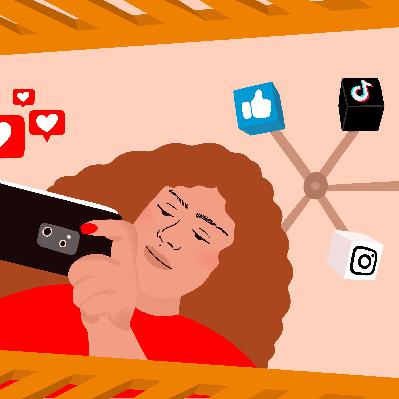
Many parents share photos and videos of their babies and children on social media. But there are potential dangers to constantly posting about your kid online, says Leah Plunkett, a faculty member of Harvard Law School who specializes in children, family law and technology. This episode, Plunkett explains what adults should consider about a kid's privacy and personal data before hitting the upload button.Learn more about sponsor message choices: podcastchoices.com/adchoicesNPR Privacy Policy

Becoming a blended stepfamily can be fraught for everyone involved. How can your family build trust, function more smoothly and ultimately grow closer? In this episode, NPR health correspondent Maria Godoy shares research on stepsiblings and blended families that can make this process easier. Learn more about sponsor message choices: podcastchoices.com/adchoicesNPR Privacy Policy


Download from Google Play

Download from App Store
 United States
This is my absolute FAVORITE podcast, no nonsense, they get straight to the point. The hosts have great rapport and I love how they intersperse some Seseame Street clips. they offer easy to implement takeaways, I just wish there were more episodes! Love, love, LOVE!!!!
Could you do a story on teaching your young children about chores and allowance and money? How young is too young for capitalism? What to do instead?
I still remember the bomb last in Kenya 1998 El Nino 1997 post election violence... That later actually made me stop watching news till to date I really don't have focus.... The events in our lives can shape or break us.... Making me realize how our minds are powerful and mental wellness should be something we look into always. Our minds are always active all our lives yet we need take good care of it
Oh this is so helpful when you think they are not affected most of them are forced to grow up.... Our minds function the same we need to process all and progress this to be well holistically thank you for sharing this