


 Claim Ownership
Mind Matters
Subscribed: 231Played: 16,725
Subscribe

© Discovery Institute
Description
On the Mind Matters podcast, Discovery Institute’s Walter Bradley Center for Natural and Artificial Intelligence considers the implications and misconceptions, the opportunities and limitations, and the applications and challenges presented by intelligent agents and their algorithms. Episode notes and archives available at mindmatters.ai/podcast.
229 Episodes
Reverse

On today’s episode of Mind Matters News, Dr. Robert J. Marks joins Andrew McDiarmid, host of the ID The Future podcast, to share some of his personal anecdotes and professional insights about Dr. Walter Bradley, a scientist, humanitarian, and trailblazer in the world of intelligent design who passed away this year at the age of 81. As Marks explains, one way Read More ›
Source
Today on Mind Matters News, hosts Robert J. Marks and Brian Krouse conclude their four-part conversation with Dr. Joseph Green on the limitations of modern neuroscience. Green is author of a chapter in the volume Minding the Brain called “On the Limitations of Cutting-Edge Neuroscience.” In today’s final segment, the discussion centers on comparing different models of consciousness, including panpsychism and Read More ›
Source
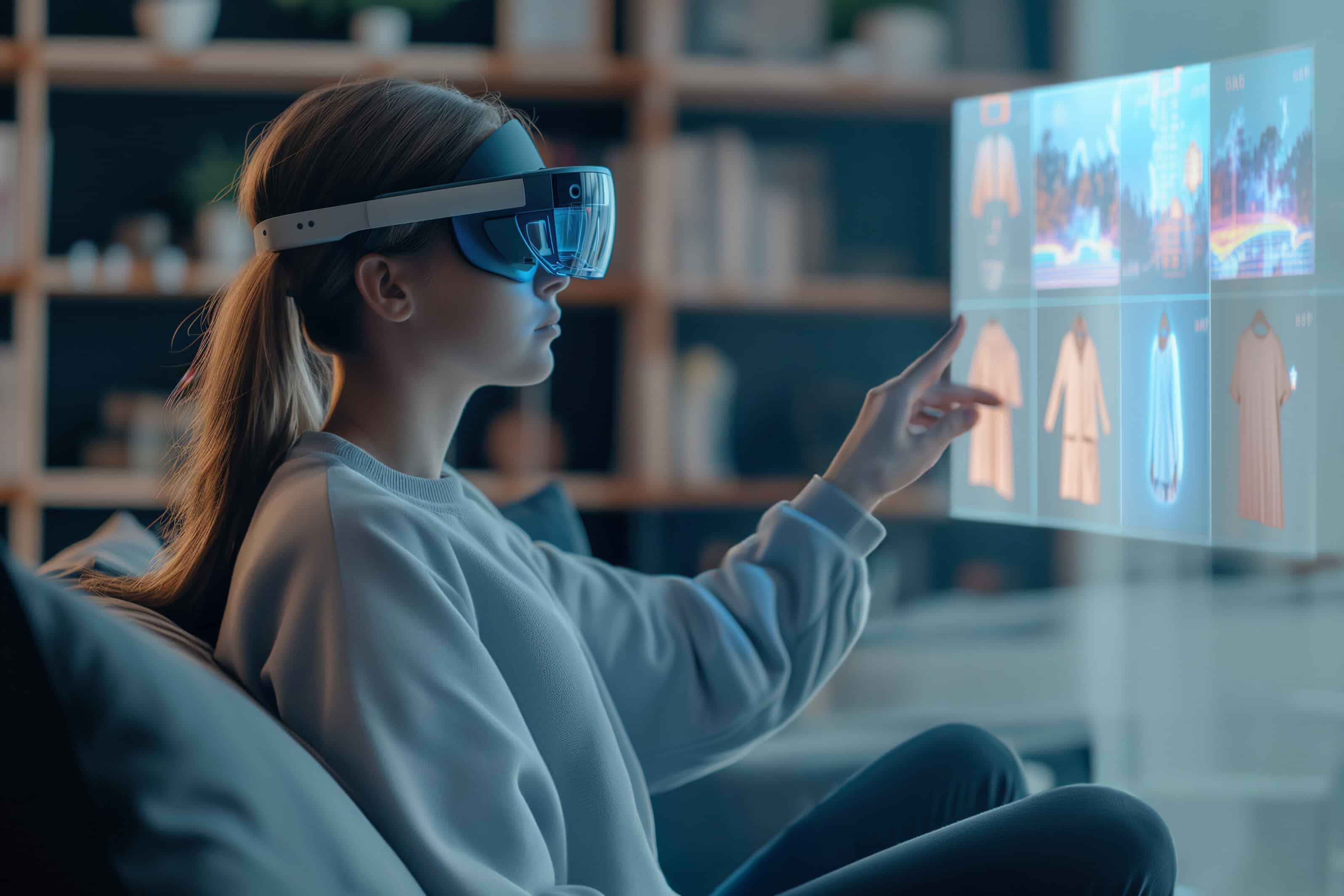
What happens when you let Big Tech control how you see the world? Apple recently released a new model of the Apple Vision Pro headset. Although it can provide immersive experiences, what are the potential downsides to furthering our connection to the digital realm? On this episode of Mind Matters News out of the vault, host Robert J. Marks welcomes Read More ›
Source
Today on Mind Matters News, hosts Robert J. Marks and Brian Krouse continues their conversation with Dr. Joseph Green on how we can bridge the gap between cutting-edge neuroscience and philosophy of mind. Green is author of a chapter in the volume Minding the Brain called “On the Limitations of Cutting-Edge Neuroscience.” In today’s installment, the discussion first touches on the concept Read More ›
Source
On this episode of Mind Matters News, hosts Robert J. Marks and Brian Krouse continue their conversation with Dr. Joseph Green on the limitations of cutting-edge neuroscience. In this segment, the focus turns to the philosophical questions involved. As Dr. Green explains, neuroscience is limited in its ability to answer philosophical questions about the nature of the mind and its Read More ›
Source
Modern neuroscience has made some truly amazing advances in recent decades. But even though we can record, map, and even manipulate brain activity in ways that once seemed impossible, we still don’t really understand how the brain actually works. This gap in understanding has led to a kind of overconfidence, and sometimes even over-claiming by scientists. So how do we Read More ›
Source
The scientific method has undoubtedly provided great insight into the impersonal mechanics of the world around us throughout human history. However, the scientific method itself is put into practice by very personal human beings. How should our understanding of ourselves and our personal identities interact with what we learn through science? Today, hosts Robert J. Marks and Angus Menuge speak Read More ›
Source

If many of us began to practice honoring others in our interactions with them, what change would we see in society? Is it possible to recognize the divine in everyone we meet? On this episode, host Dr. Michael Egnor concludes his conversation with Dr. Stephen Post, author of the new book Pure Unlimited Love: Science and the Seven Paths to Inner Read More ›
Source

Most of us would agree that in recent years, our society has grown more acrimonious, reactive, and violent. What role does technology play in this trajectory? And what can be done about it? On this episode, host Dr. Michael Egnor speaks to Dr. Stephen Post, author of the new book Pure Unlimited Love: Science and the Seven Paths to Inner Peace. Read More ›
Source
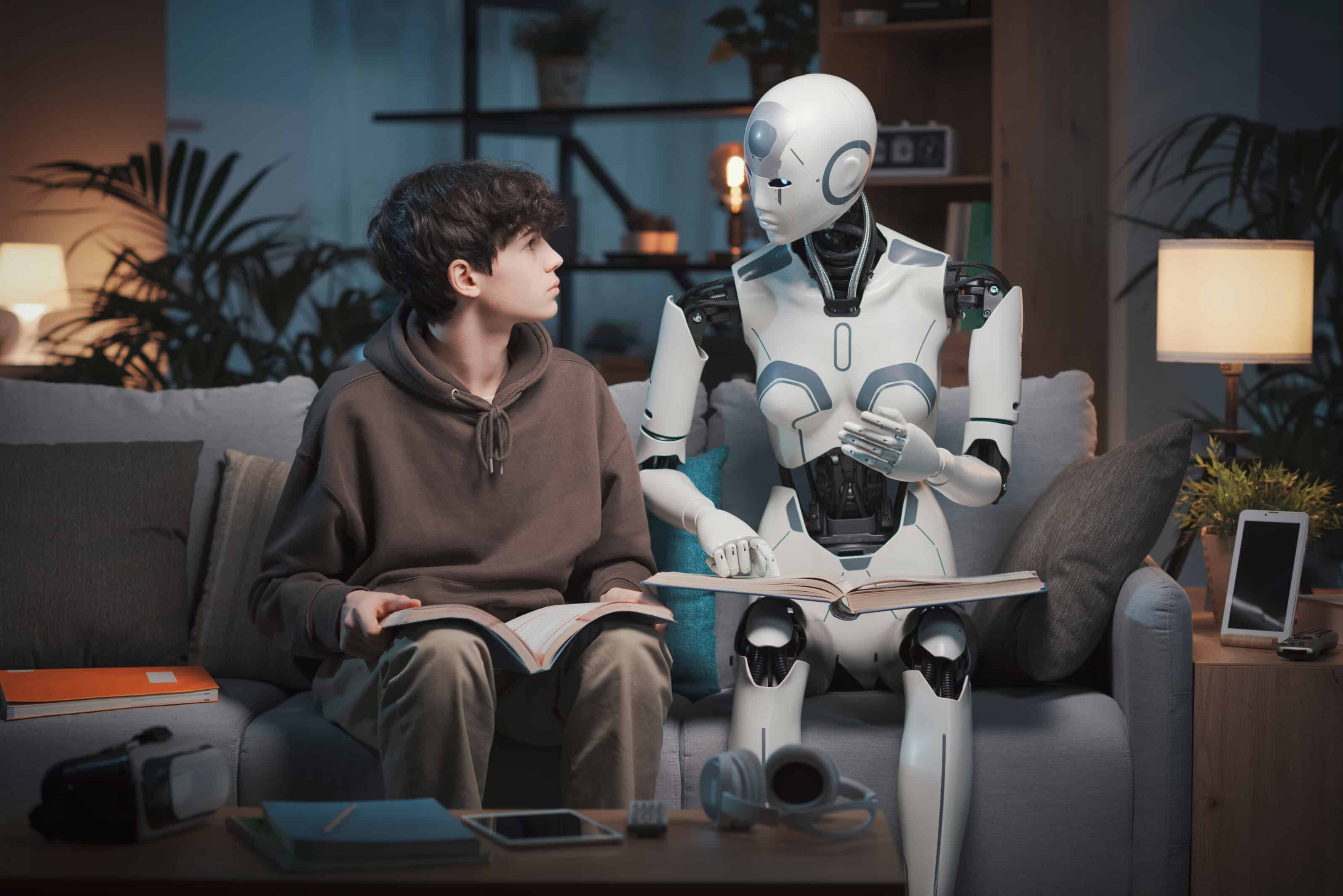
Today, we hear from Discovery Institute Senior Fellow, podcaster, and writer Andrew McDiarmid as he chats with In The Market radio host Janet Parshall about the dangers associated with humans having relationships with AI. The discussion focuses on what McDiarmid calls “relational AI” – AI chatbots and assistants that aim to mimic human interactions and relationships. McDiarmid discusses how relational AI can Read More ›
Source
On this episode, host Robert J. Marks concludes his conversation with Dr. Georgios Mappouras about his new and interesting paper “Turing Test 2.0: The General Intelligence Threshold.” Here, Mappouras contrasts his newly proposed Turing test with the Lovelace Test, proposed by Selmer Bringsjord of Rensselaer Polytechnic, which says that “Computers will be creative if and when their output is beyond Read More ›
Source

“No man is an island,” wrote poet John Donne in the 1600s, and these words still ring true today. However, much of our modern analysis and study of ourselves is turned entirely within. We focus on our needs, wants, and abilities rather than how we interact with others. How much does this individualistic view limit our ability to understand ourselves Read More ›
Source
On this episode of Mind Matters News, host Robert J. Marks continues his conversation with Dr. Georgios Mappouras about his new and interesting paper “Turing Test 2.0: The General Intelligence Threshold.” The idea is whether or not AI is intelligent, and the classical definitions of this come from the Turing Test. In Part 1 of this conversation, Dr. Mappouras explained Read More ›
Source
On this episode of Mind Matters News, host Robert J. Marks speaks with Dr. Georgios Mappouras about his proposal for a more rigorous test for measuring artificial intelligence. Mappouras argues that the original Turing Test is not enough to determine true intelligence in AI systems, as it focuses too much on simulating human-like conversation rather than demonstrating genuine understanding and problem-solving Read More ›
Source

Today, hosts Robert J. Marks and Bradley Norris speak again with Hal Philipp, inventor of the modern touchscreen, about his entrepreneurial work in health and nutrition. After selling his technology company, Hal turned his focus to personal health, particularly nutrition. Here, he discusses his unique philosophy on wellness. Philipp touches on the dangers of processed foods, the importance of eating Read More ›
Source
Over the years, multiple explanations for the nature of reality have been proposed. Physicalists will claim that the only things that exist are physical matter. However, others in the dualist camp maintain that there are non-physical aspects of reality, such as immaterial concepts like numbers, logic, or a person’s mental state. Finally, we have idealists, who hold that the fundamental Read More ›
Source
On this episode, hosts Robert J. Marks and Bradley Norris conclude a three-part interview with Hal Philipp, inventor of the modern touchscreen. In the previous two segments, Philipp discusses the inventions that culminated in his revolutionary touchscreen as well as its aftermath. This week coves some of the lessons Hal has learned over his career, with some questions from a Read More ›
Source

Today Robert J. Marks and Bradley Norris continue their conversation with Hal Philipp, inventor of the modern touchscreen. In Part 1, we covered several of Hal’s earlier inventions, including the creation of the charge transfer sensor. Today, we’ll be hearing about how the sensor led to touchscreens as we know them today and what happened in their aftermath. Philipp also Read More ›
Source

On this episode, hosts Robert J. Marks and Bradley Norris begin a conversation with Hal Philipp, the man behind the modern touchscreen and a prolific inventor with an impressive 98 U.S. patents. Hal shares his story and some of the lessons he’s learned over a career in invention. Hal’s journey began with a stint at the National Bureau of Standards Read More ›
Source
Today, Dr. Selmer Bringsjord joins guest host Pat Flynn to discuss a compelling argument for the immateriality of mathematical objects and the human person. It’s an argument Bringsjord develops in his chapter “Mathematical Objects Are Non-Physical, So We Are Too” in the book Minding the Brain. Building on the work of philosophers like James Ross and John Searle, the argument suggests Read More ›
Source

Comments

Download from Google Play

Download from App Store
 United States