



 Claim Ownership
Psychedelics Today
Subscribed: 4,296Played: 173,789
Subscribe

Description
Psychedelics Today is the planetary leader in psychedelic education, media, and advocacy. Covering up-to-the-minute developments and diving deep into crucial topics bridging the scientific, academic, philosophical, societal, and cultural, Psychedelics Today is leading the discussion in this rapidly evolving ecosystem.
757 Episodes
Reverse
Logan Davidson joins the show to talk about the fast-moving world of Ibogaine in American and why state-based leadership is shaping the future of psychedelic reform. Davidson is the executive director of Texans for Greater Mental Health, the legislative director at VETS, and a key strategist behind Texas' landmark interest in ibogaine research. He also advises for Americans for Ibogaine. His work sits at the intersection of science, policy, and lived experience, and this conversation offers a clear look into what is happening right now. Early Themes: The Rise of State Advocacy Davidson explains how he entered politics at nineteen and how his professional path merged with psychedelic policy work during the 2021 Texas legislative session. Through that first bill, he saw how science, bipartisan cooperation, and strong local leadership could advance major reform. Early discussion focuses on: How Texas became the first state to pass a major psychedelic research bill Why ibogaine became a central focus How the special operations community helped shift political momentum The personal mental health stories that shaped Davidson's commitment This section also highlights how Americans for Ibogaine entered the conversation through veterans, researchers, and state lawmakers who felt the urgency of the opioid crisis and traumatic brain injury. Core Insights: Ibogaine, Risk, and the New Research Model In the middle portion of the episode, Davidson breaks down the strategy, challenges, and promise behind ibogaine research and state-based policy innovation. Key insights include: The unique bipartisan environment in Texas Why stories from veterans and spouses moved lawmakers The importance of medical screening for cardiac risk Why research is essential for safety How states can use funding, revenue sharing, and public health goals to shape future access What policymakers are watching right now Effectiveness for opioid use disorder Data from traumatic brain injury studies Cardiac safety protocols The risk of untreated depression and addiction The national security implications of forcing service members to seek illegal care Davidson also explains why removing the psychedelic experience from the molecule remains controversial and why many researchers believe the full experience matters. Later Discussion and Takeaways: The Road Ahead for American Ibogaine In the final part of the conversation, Davidson speaks about the future of American Ibogaine and the broader psychedelic field. He outlines why local leadership matters, why federal funding, like what Psychedelic Medicine Coalition is supporting, could be the next major tipping point, and how big pharmaceutical companies may eventually enter the space through acquisitions or proprietary molecule development. Concrete takeaways include: States should expect clear benefits: lower-cost treatments, shared revenue, and local control Community leaders, not outsiders, often drive legislative wins The need for long-term safety data remains National security concerns highlight why regulated access must expand Federal research money could radically transform the pace and scale of studies He also encourages listeners to join or build local organizations, since nearly every major win comes from people who live in the state pushing from the ground up. Frequently Asked Questions Is Ibogaine safe? Ibogaine has cardiac risks that require medical screening and careful monitoring. Researchers stress that safety improves with proper protocols and more clinical data. Why is Ibogaine important for veterans? Many special operations veterans report major benefits for traumatic brain injury, PTSD, and addiction. Their stories have driven political momentum. How are states involved in Ibogaine research? States like Texas are funding clinical trials, drug development, shaping policy, and exploring revenue and access models to support long-term public health benefits. Will Ibogaine become federally supported in America? New federal interest, including major grants and bipartisan discussions, suggests that broader support may be coming in the next few years. Closing Thoughts This episode shows why the work of Logan Davidson sits at the center of today's psychedelic resurgence. It highlights a complex but hopeful moment where science, policy, and lived experience are beginning to align. As American Ibogaine research expands, state leaders, clinicians, veterans, and advocates all have a role in shaping a safer and more effective future for these treatments.
In this episode, Michael Sapiro joins Kyle Buller to explore truth, healing, and psychedelic-assisted psychotherapy through the lens of his new book, Truth Medicine. A clinical psychologist, ordained Zen Buddhist monk, retreat leader, and fellow at the Institute of Noetic Sciences, he blends Buddhist psychology, trauma work, and consciousness studies. The discussion focuses on how people discover and live their truth, and why that truth becomes the core medicine in healing. Early in the Podcast with Michael Sapiro Michael describes how years of clinical work and retreat facilitation shaped his understanding of healing. Real transformation happens when people speak truths they have never allowed themselves to say out loud. These truths often relate to childhood experiences, identity, and how people learned to stay safe. Key early themes include insight into: • Truth as a physical and emotional "ring" in the body • Personas formed in childhood to avoid rejection • Depression and anxiety caused by living from those personas The conversation explores how frightening it can be to challenge old roles and family narratives, yet how necessary it is for authentic healing. Core Insights from Michael Sapiro Michael outlines his model of preparation, psychedelic sessions, and integration, especially in ketamine-assisted psychotherapy. Preparation often includes discovering what he calls the "heart of the hurt" and building trust for the internal process. Core insights include: • Tracing patterns back to their origins in early experience • Using guided imagery, breathwork, and somatic awareness to practice surrender • Understanding healing as applying love to wounded parts • Understanding growth as becoming who you would be without old limits Additional points: • Medicine sessions create real practice in letting go • Defenses should be engaged with, not fought • Sensations in the body offer essential guidance Later Discussion and Takeaways with Michael Sapiro Michael compares one-on-one psychotherapy with retreat work. In group settings he holds space and supports safety, while in individual sessions he uses a blend of silence and active therapeutic guidance. He also shares personal truth work, including embracing his own "bigness," understanding ethics as part of spirituality, and learning to endure anxiety without falling into shame. Listeners gain practical guidance for nurturing wounded parts, developing the ability to endure challenging states, and allowing their strengths to emerge. Frequently Asked Questions Who is Michael Sapiro? Michael Sapiro is a clinical psychologist, ordained Zen Buddhist monk, psychedelic psychotherapist, retreat leader, and research fellow at the Institute of Noetic Sciences. What is the main idea of Truth Medicine by Michael Sapiro? Truth Medicine teaches that discovering and living one's personal truth is the core of healing, with psychedelics serving as a tool that helps reveal and embody that truth. How does Michael Sapiro use ketamine in therapy? He uses ketamine within a structured model involving preparation, supportive dosing sessions, and integration focused on compassion, endurance, and meaningful change. Does he only work in group settings? No. He leads retreats, but much of his work is individual psychedelic psychotherapy focused on trauma, personal truth, and growth. What can clinicians learn from his approach? Clinicians can learn how to balance guided intervention with open space, work directly with defenses, and support healing as both love and action. Closing Thoughts This conversation with Michael Sapiro offers a grounded, practical view of how truth, compassion, and psychedelic-assisted psychotherapy can support real change in the current psychedelic resurgence. By blending body awareness, ethical clarity, and personal growth, this episode provides useful guidance for therapists, guides, and seekers who want to bring more truth medicine into their lives and communities. https://www.michaelsapiro.com
Holotropic Breathwork sits at the center of this wide ranging conversation between Psychedelics Today co-founders Joe Moore and Kyle Buller. Drawing from decades of personal practice and assorted types of breathwork facilitation, they explore how breathwork methods from the Grof lineage including Dreamshadow Breathwork can prepare people for psychedelic work, support difficult journeys, and deepen integration over time. Kyle shares how his near death experience, somatic training, and breathwork facilitation shaped this new course on breathwork foundations, while Joe reflects on how reading Dr Stanislav Grof and years of experience in Holotropic Breathwork changed how he approaches psychedelics. Early Themes: Roots, Lineages, and First Encounters The episode opens with how each of them first found breathwork. Joe discovered Grof's writing in college, then traveled to Dreamshadow workshops long before he worked seriously with psychedelics. Kyle came to Holotropic style breathwork while studying transpersonal psychology at Burlington College, arriving as a skeptic who assumed people were exaggerating until his first session opened into a full psychedelic level process. They trace the roots of breathwork in modern psychology back to Wilhelm Reich, character armor, and early somatic approaches, then follow that thread into Grof's work and later branches. Joe and Kyle map out the different schools that emerged, including Grof Transpersonal Training, Grof Legacy Training, and Dreamshadow, and explain why the term "breathwork" has become a huge umbrella that covers everything from Wim Hof to short online sessions that are not actually Holotropic Breathwork. Core Insights: Breath, Nervous System, and Working the Edges In the middle of the episode they move into what this new foundations course actually covers and why it matters now. Rather than promising quick fixes, Kyle frames breath as a flexible tool for: Preparation before psychedelic sessions Navigation during intense or destabilizing moments Integration and nervous system support afterward They discuss window of tolerance, fight flight freeze responses, and how fast, deep breathing can open powerful experiences but also risk overwhelm if there is no somatic literacy. Kyle shares a vivid story from a ketamine training where his near death trauma was reactivated and how simple breath awareness, slow belly breathing, and body based skills kept him from panicking or fleeing. Throughout, they return to a key point: Holotropic Breathwork and related practices can restore agency. The breather chooses when to intensify, when to slow down, and how far to go, which can be deeply reparative for people whose trauma involved a loss of control. Later Discussion and Takeaways: Holotropic Breathwork as Foundation, Not Shortcut Later in the conversation, Joe and Kyle caution against "keeping up with the Joneses" in psychedelic culture. They talk about people chasing ever bigger doses, accruing trauma, and then needing years of therapy to sort it out. Breathwork, including Holotropic Breathwork in a well held group setting, is offered as a slower, more grounded way to explore non ordinary states while building skills that transfer into medicine work. They outline the core components of Grof lineage breathwork: intensified breathing, evocative music, focused body support, expressive art, and group sharing in a safe container. Joe highlights how group process, mandala drawing, and simply being witnessed can be as healing as the inner journey itself. They also flag practical next steps: Kyle's self paced breathwork foundations course at the Psychedelic Education Center, upcoming live online sessions, and in person weekend workshops in places like Breckenridge. Frequently Asked Questions What is Holotropic Breathwork? Holotropic Breathwork is a structured group process developed by Stan and Christina Grof that uses accelerated breathing, evocative music, supportive bodywork, art, and integration sharing to access non ordinary states of consciousness without substances. Is Holotropic Breathwork as intense as psychedelics? For some people, yes. Joe and Kyle both describe Holotropic Breathwork sessions that matched the depth of powerful LSD or ayahuasca journeys, while also noting that some sessions are quiet, restful, and focused on simple nervous system regulation. Can I do Holotropic Breathwork alone at home? They strongly suggest caution. Gentle breath practices can be explored solo, but Holotropic Breathwork as taught in the Grof lineages is designed for a trained facilitation team and a group container to reduce risk and support intense emotional or somatic processes. How does Holotropic Breathwork help with psychedelic preparation and integration? Breathwork helps people learn their own nervous system, practice staying with difficult material, and build trust in inner process. These skills often translate into more resilience, flexibility, and agency before, during, and after psychedelic sessions. Is Holotropic Breathwork backed by research? Research on breathwork is growing, especially around heart rate variability, stress, and subjective mystical type experiences. Joe and Kyle emphasize that early studies suggest overlaps with psychedelic states, but they avoid framing Holotropic Breathwork as a cure and instead present it as a powerful tool within a broader healing path. In a culture that often treats psychedelics like quick fixes, this episode makes the case for slow foundations, embodied practice, and honest respect for the risks. By placing Holotropic Breathwork and the other Grof lineage breathwork practices inside a larger conversation about trauma, agency, and community, Joe and Kyle offer a grounded path for anyone who wants to explore non ordinary states in a safer, more skillful way. Learn more about breathwork in the Foundations class here.
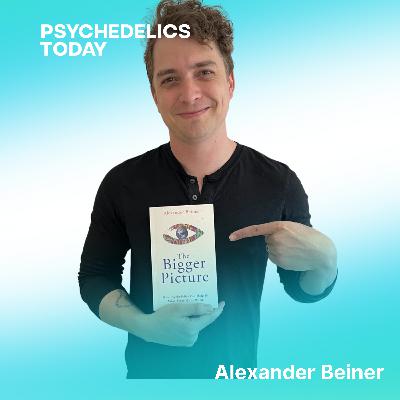
Alexander Beiner joins Psychedelics Today to explore how psychedelics, culture, and power shape each other. A writer, facilitator, and co founder of the conference Breaking Convention and the media platform KAINOS, he has spent years thinking about how psychedelic experiences ripple into politics, economics, conflict, and community. In this episode, he and Joe trace the path from early internet forums to today's psychedelic renaissance, and ask what it would mean to bring a truly psychedelic perspective into our institutions. Beiner is less interested in psychedelics as a niche medical tool and more interested in how they can help us see through destructive cultural "games," reconnect to our bodies, and relate across deep divides. Early themes with Alexander Beiner The conversation starts with Beiner's origin story. He describes formative psychedelic experiences as a teenager, and how early access to thinkers like Terence McKenna, Timothy Leary, and the Shulgins led him onto the Grow Report forum and its associated podcasts. From there he launched his own visionary art podcast and eventually co founded Rebel Wisdom, where he focused more broadly on culture, systems, and meaning rather than only on psychedelics. He explains that most of his writing has not been about psychedelic substances, but about a "psychedelic approach" to reality. That means paying attention to complexity, paradox, and relationship, and asking what a psychedelic form of education, politics, or media might look like. He also touches on his documentary "Leviathan," which looks at breakdowns of trust, disembodiment, and the social forces that pull us away from what is real and relational. Core insights from this conversation In the middle of the episode, the discussion moves into concrete tensions in the current psychedelic resurgence. Topics include: How medicalization can both help and constrain access Cognitive liberty and the right to alter one's own consciousness Psychedelic capitalism and the "Moloch" problem of destructive competitive games The risks and potential of psychedelic religions and new spiritual communities Beiner highlights work on ayahuasca circles for Israelis and Palestinians, noting how "we are all one" language can sometimes block necessary truth telling about power and harm. He returns often to embodiment as a key corrective. When people slow down, feel their bodies, and notice what is actually happening in their nervous systems, they can hold disagreement without dehumanizing each other. He also points to emerging work on psychedelics for creativity and problem solving, including stories where psychedelic insights contributed to breakthroughs in science and complex systems thinking. For him, this is one of the most exciting frontiers, because it shifts the story from "fixing a deficit" to "creating something new." Later discussion and takeaways with Alexander Beiner Later in the episode, Alexander Beiner and Joe talk about cult dynamics, religious freedom, and the need for better checks and balances in emerging psychedelic communities. Beiner stresses that humans are naturally drawn into strong groups and narratives, so the key is not to eliminate "cults" but to spot harmful patterns early and build better accountability. They explore how double binds and mixed messages can create mental distress, and how psychedelics can sometimes resolve these binds by adding new context and perspectives. From there, the conversation turns to third spaces, communitas, and the urgent need for more embodied, in person culture beyond screens, work, and home. Practical takeaways include: Work with psychedelics in ways that reconnect you to your body, not just your ideas Treat medicalization as one path among many, not the only legitimate route Pay attention to group dynamics, power, and accountability in any psychedelic setting Look for ways to bring "psychedelic virtues" like flexibility, curiosity, and compassion into your workplace, family, and community Frequently Asked Questions Who is Alexander Beiner? Alexander Beiner is a writer, facilitator, and co founder of the psychedelic conference Breaking Convention and the media platform Kinos. His work focuses on culture, systems, and how psychedelic perspectives can reshape society. What is Alexander Beiner's book about? His recent book (discussed in this episode) looks at how psychedelics interact with politics, capitalism, and culture, and asks whether they can help us navigate multiple crises without getting captured by the same destructive games. How does Alexander Beiner view psychedelic medicalization? He sees medicalization as useful but limited. He supports access for people who need it, but worries that a purely medical frame reinforces class divides and hands too much power to psychiatry, instead of centering cognitive liberty and community based use. What is Leviathan in Alexander Beiner's work? "Leviathan" is his documentary on the breakdown of trust, disembodiment, and large scale systems that pull us away from what is real and relational. It connects mythic images, embodiment, and modern crises of meaning. What is Kinos and how does it relate to Alexander Beiner? KAINOS is Beiner's Substack based media platform, focused on surfacing novel perspectives and stories about culture, psychedelics, and the future. It extends many of the themes explored in this episode. This episode places Alexander Beiner within the wider psychedelic resurgence as a voice linking inner work to outer systems. For clinicians, researchers, and community members, it offers a rich invitation to think beyond individual healing and ask how psychedelic perspectives might help us transform the cultural games we are playing. KAINOS The Bigger Picture Breaking Convention
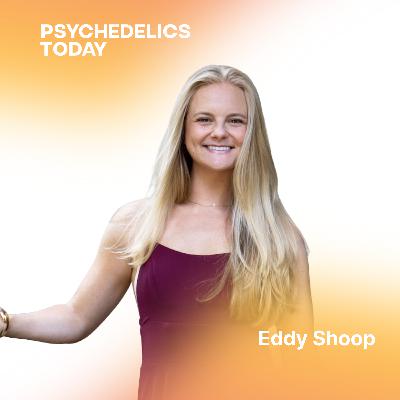
Overview Evelyn Eddy Shoop PMHNP-BC joins Psychedelics Today to share her journey from Division I athlete to psychiatric mental health nurse practitioner and psilocybin research participant. In this conversation, she explains how sports injuries, OCD, and intensive treatment led her into psychiatry and eventually into a psilocybin clinical trial at Yale. Her story weaves together lived experience, clinical training, and a call for more humane systems of care and better qualitative data in psychedelic science. Early Themes: Injury, OCD, and Choosing Psychiatry Early in the episode, Evelyn Eddy Shoop PMHNP-BC describes how multiple season ending injuries in college and serious mental health stressors in her family pushed her to rethink her life path. Originally pre vet, she stepped away from veterinary medicine after realizing she could not tolerate that environment. During a semester off for surgery and mental health, she completed intensive outpatient treatment and family therapy. That time showed her how powerful psychological work could be. It also reawakened a long standing curiosity about the brain, consciousness, and human experience. This led her to switch her major to psychology and later pursue psychiatric mental health nurse practitioner training at the University of Pennsylvania. At Penn, she felt supported academically and personally. Her interest in psychedelics grew as she realized that standard OCD treatments and high dose SSRIs were not giving her the level of functioning or happiness she knew was possible. Core Insights: Psilocybin Trials, Qualitative Data, and Clinical Skepticism In the middle of the episode, Eddy shares the story of finding a psilocybin trial on ClinicalTrials.gov just as she was about to start ketamine therapy. She received placebo first, then open label psilocybin, and describes the dosing day as one of the hardest days of her life, with benefits that emerged slowly over months through integration. She uses her experience to highlight why qualitative data matters. Numbers alone cannot capture the depth of a psychedelic journey or the slow unfolding of meaning over time. She argues that subjective stories, even difficult ones, are essential for clinicians, researchers, and policymakers. Key themes include: The central role of integration support in turning a crisis level session into lasting growth How trial environments on inpatient psychiatric units can feel like prison instead of healing spaces The limits of double blind placebo trials when participants become desperate for active treatment The need for more nuanced language around psychosis and psychedelic harms Eddy also addresses skepticism in psychiatry. Many providers fear substance induced psychosis and feel uneasy with medicines whose mechanisms are not fully understood. She suggests that more lived experience stories and careful education can help bridge that gap. Later Discussion and Takeaways In the later part of the episode, Eddy and Joe discuss harm reduction, ketamine risks, and how poorly designed systems can create harm even when the medicine itself is helpful. Eddy describes being treated as "just another psych patient" once the research team left for the day, including being denied basic comforts like headache relief after an emotionally intense session. She calls for: More humane hospital and research environments Required psychedelic education in psychiatric training Honest, nonjudgmental conversations about substance use with patients Stronger public education for students and festival communities Eddy also invites listeners in Wilmington, Delaware and nearby regions to connect if they need a psychiatric mental health nurse practitioner for psychedelic related research. She hopes to bring her lived experience and clinical skills into the emerging field as psilocybin and other treatments move toward approval. Frequently Asked Questions Who is Evelyn Eddy Shoop PMHNP-BC? She is a psychiatric mental health nurse practitioner trained at the University of Pennsylvania, a former Division I athlete, and a psilocybin trial participant who now advocates for more humane and data informed psychedelic care. What did Eddy learn from her psilocybin clinical trial experience? She learned that the hardest sessions can lead to deep change when integration support is strong and when there is time to unpack insights, rather than rushing to rate symptoms on a scale. Why does she care so much about qualitative data in psychedelic research? Eddy believes that numbers cannot capture the full human impact of psychedelic therapy. Stories show how people actually live with their disorders and integrate change, which is vital for ethical practice and policy. How does she view psychedelic harms and psychosis risk? She acknowledges real risks, especially for people with certain histories, but also notes that some psychotic experiences are not distressing. She calls for more precise language, better containers, and honest harm reduction education. What role does a psychiatric nurse practitioner like Evelyn play in psychedelic care? Practitioners like Evelyn can assess risk, prescribe within legal frameworks, provide preparation and integration, and help bridge the gap between traditional psychiatry and emerging psychedelic therapies. Psychedelic care is evolving fast, and this episode shows why voices like Evelyn Eddy Shoop PMHNP-BC are essential in the current psychedelic resurgence. Her blend of lived experience, clinical training, and critical thinking points toward a future where data and story, safety and possibility, can finally grow together.
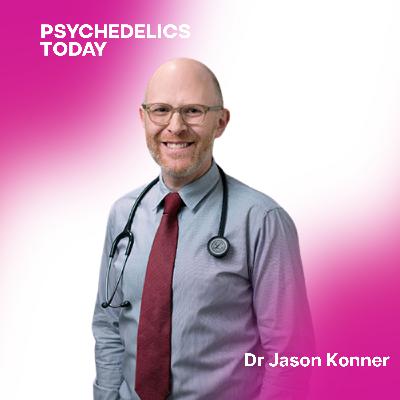
In this episode, Joe Moore sits down with Dr. Jason Konner, a longtime oncologist who recently left his full-time clinical role at Memorial Sloan Kettering to devote himself to the emerging intersection of cancer care and psychedelics. Dr Konner shares how, after more than two decades treating people, he hit a wall. The accumulated grief, constant exposure to death, and intensity of oncology left him deeply burned out, though he didn't have that language for it at the time. A chance moment in a yoga class, overhearing someone say "ayahuasca retreat" just before he was scheduled for hernia surgery, became the turning point. Within a week, he was in the jungle. That first week with ayahuasca, followed later by work with mushrooms, "absolutely transformed" his life. His fear of death lifted. The burnout he hadn't even recognized in himself was both revealed and relieved. When he returned to his practice, Konner describes feeling like he suddenly had a "superpower": he could stay present, connected, and compassionate with patients facing advanced disease without collapsing under the emotional weight. He and Joe explore what this third path looks like: not the classic binary between either hardening and distancing as self-protection, or staying open-hearted and getting shattered. Instead, psychedelics helped him hold deep relationship with patients and families while maintaining inner stability and meaning. This opened space for authentic conversations about spirituality, fear, grief, and what it means to live with (or die from) cancer. From there, Dr Konner zooms out to critique the broader oncology system: The lack of training and support for oncologists around their own emotional and existential load, How little space there is for relational work even though it's central to healing, Why many support groups and standard psychiatric approaches (like reflexively prescribing SSRIs) often miss the mark for people dealing with cancer, How caregivers, partners, family members, and others are deeply affected but rarely truly supported. Joe and Jason then dig into psychedelics and oncology as a frontier: easing existential distress in patients with terminal cancer, the neglected suffering of caregivers, the potential role of psychedelics in helping people relate differently to death, and what it might mean for ICU use, aggressive end-of-life interventions, and overall healthcare costs if more people could make decisions from a place of peace rather than terror. Dr Konner also shares a striking ovarian cancer case that hinted at powerful immune changes after shamanic work, and why he believes we need new research paradigms that can honor the integrity of retreat and ceremonial settings while still learning from them. Finally, he talks about his early-stage project, Psychedelic Oncology, and his hope that the first wave of change starts with clinicians themselves becoming more psychedelic-literate—and, where appropriate, doing their own inner work—so better options can eventually reach the people who need them most. Learn more - https://psychedeliconcology.com/
Clinical psychologist Dr. Genesee Herzberg joins Kyle to reflect on two decades in trauma work and 15 years inside the psychedelic ecosystem—from early MAPS conferences to running Sage Integrative Health. She traces how personal psychedelic experiences set her on a path of service, research at CIIS on MDMA-assisted therapy, and hands-on roles with MAPS: Zendo Project harm reduction, adherence rating, and ultimately serving as an MDMA therapist in clinical trials. Today she leads Sage, an integrative clinic (psychotherapy, psychiatry, bodywork, acupuncture, and functional nutrition) focused on ketamine-assisted therapy while preparing for MDMA's eventual approval. She also co-founded a sliding-scale KAP nonprofit (now Alchemy Community Therapy Center), co-edited Integral Psychedelic Therapy, and is helping to launch the International Alliance of MDMA Practitioners. In this episode From counterculture to mainstream: What's been gained—and lost—as psychedelics scaled. Accessibility vs. corporatization: Why cutting corners (prep/integration, therapeutic time) undermines outcomes and safety. "Myth of the magic pill": Psychedelics can catalyze change, but healing is an ongoing process anchored by integration. What good care looks like: Preparation → medicine sessions → robust integration, individualized cadence, and adding bodywork and functional medicine to address gut-brain links, mineral status, sleep, and somatic tension. Ketamine realities: Differences between psycholytic (talk-forward) and psychedelic (eyes-closed, inner-directed) dosing; why some need multiple sessions to build relationship with the medicine; risks of mail-order models (high dosing, poor screening/support), daily prescribing, addiction potential, cystitis, and safety concerns. Sitting, not guiding: The therapist's task is to follow the client's process; intervene sparingly and with consent—especially in trauma work where attuned co-regulation is essential. Multiple access pathways: Support for regulated clinical care and community, peer, and ceremonial models—paired with education and harm reduction (Zendo's SIT peer training and new crisis-responder training). The MDMA pause: Initial devastation at the FDA decision gave way to seeing benefits: time to strengthen ethics, accountability, training standards, and to temper hype-driven investment. Pace and ethics: Lessons from burnout; moving at the speed of trust; exploring "psychedelic business models" (stakeholder focus, distributed decision-making, employee ownership, public benefit structures). Resources & organizations mentioned Sage Integrative Health Alchemy Community Therapy Center (sliding-scale KAP) International Alliance of MDMA Practitioners Integral Psychedelic Therapy (edited by Genesee Herzberg, Jason Butler, Richard Miller) Takeaway: Thoughtful preparation, right-sized dosing, and committed integration—held within ethical, community-minded systems—turn powerful experiences into durable change.
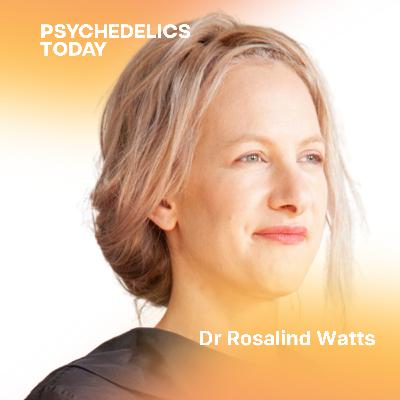
Clinical psychologist Dr. Ros Watts joins Psychedelics Today to share insights from her decade of work with psilocybin therapy and her evolving focus on community-based integration. As the former Clinical Lead for Imperial College London's landmark psilocybin-for-depression trial, Dr. Watts witnessed how psychedelic experiences can foster profound feelings of connection— to self, others, and nature — yet also how that connection can fade without ongoing support. In this conversation, she reflects on what years of research have taught her about connectedness as both a healing mechanism and a human need. She explores how integration work can transform fleeting psychedelic breakthroughs into lasting change, and why community is not just a "nice-to-have," but a core part of psychological and ecological resilience. Dr. Ros Watts also discusses her "Twelve Trees" framework — a nature-inspired model for personal and collective growth that helps participants translate insight into action through values, embodiment, and mutual care. Her current project, ACER Integration (Accept, Connect, Embody, Restore), is a 13-month, co-created journey that guides people in weaving psychedelic insights into everyday life while deepening relationships with self, others, and the living world. Named among the Top 50 Most Influential People in Psychedelics and Top 16 Women Shaping the Future of Psychedelics, Dr. Watts continues to advocate for integration, harm-reduction, and inclusion in the psychedelic space. Together, we explore what sustainable healing really means, how organizations can embody the same principles they teach, and how the psychedelic movement can root itself in care, connection, and community. Learn more about ACER Integration: https://acerintegration.com Find Dr Ros Watt's webpage here. https://www.drrosalindwatts.com/
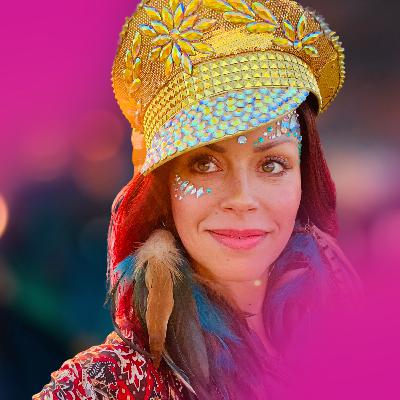
Artist, builder, and podcast host Jennifer Espenscheid joins Joe Moore for a rich conversation on creativity, process, and the spiritual dimensions of making art. Drawing from her South Dakota roots and large-scale works like Luciferia, Jennifer reflects on the blend of grit, intuition, and trust that guides her artistic life. She discusses how psychedelics have served as a tool for clarity and healing rather than direct creation of art, helping her dissolve patterns and reconnect to innate creativity. They explore how events like Burning Man catalyze inspiration, why intention and integration matter as much as vision, and the discipline of "earning your dopamine"—staying self-motivated instead of chasing external highs. Jennifer shares lessons about gestation, patience, and protecting early ideas before they're ready to be seen. Together they examine creativity as a human birthright and art as a daily practice of attention and renewal. "By being human, you are intrinsically creative. Psychedelics help me clear the noise so I can actually hear and honor that." Links The Soma Show - Main website Podcast on YouTube Jennifer on LinkedIn
Brad Adams — LAMPS (Los Angeles Psychedelic Society) joins Kyle to trace his path from PhD researcher to community builder. Brad shares how early work in AIDS, Alzheimer's, gerontology, and cancer research primed him to notice Harbor-UCLA's psilocybin pilot for stage-4 cancer patients with death anxiety—where the strongest mystical experiences correlated with profound death acceptance. Teaming with Dennis McKenna, he ran an ayahuasca pilot in Peru and presented findings at Psychedelic Science 2017. From there, Brad founded LAMPS: first as research meetups at UCLA, then as a thriving hub hosting speakers and, ultimately, an L.A. psychedelic conference. He previews the November 1 event at Above the Block in West L.A.: daytime panels on cannabis, preparation/integration, and music & psychedelics; a vendor hall; and a "Healing Lounge" with bodywork, astrology, human design, and more—closing with a late-night dance party featuring David Starfire. Brad offers grounded advice for starting local communities (begin small, meet regularly, curate safe dialogue, and moderate firmly), and reflects on platform friction around psychedelics. The conversation widens to DMTx (extended-state DMT), entity encounters, and what humble, relational curiosity can reveal—then to Wetiko, IFS, and the hero's journey as frames for keeping hope alive in turbulent times. A candid and practical tour of research, resilience, and real-world community building.
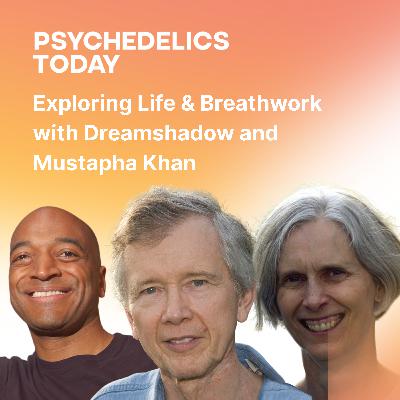
In this episode, Kyle and Joe sit down with filmmaker Mustapha Khan and Dreamshadow's Elizabeth & Lenny Gibson to explore Life and Breath—a new documentary immersing viewers in the experience and community of Holotropic Breathwork. We talk about why Mustapha was drawn to Dreamshadow, the film's cinéma vérité approach that places you "in the room," and how years of facilitation informed what became both an archival record and a living portrait of transformation. Elizabeth and Lenny reflect on 35+ years of holding space, the role of curiosity over agenda, and why genuine community—not just catharsis—is central to lasting growth. Kyle and Joe share personal reactions from a Breckenridge screening, the emotions it stirred, and how this work has shaped Psychedelics Today. We close on hope, relationship, and the power of gathering to remember who we are. Keep an eye out for upcoming screenings and Q&As with the team behind Life and Breath. Dreamshadow Life and Breath won first place at the Psychedelic Film and Music Festival!
In this episode, Joe Moore talks with Megan Portnoy, a doctoral candidate in clinical psychology at Antioch University New England, about how ontological design can reshape the environments used in psychedelic-assisted therapy. Megan explains how physical space is not just a backdrop but an active participant in the therapeutic process, influencing emotion, cognition, and healing. She recently won an award for her presentation on this topic at PsychedelX. They explore how design principles that foster awe, play, and flexibility can deepen integration and expand what's possible in clinical settings. The conversation also examines how psychedelic communities can balance openness with discernment, apply more psychological rigor, and avoid falling into ungrounded or high-demand group dynamics. This rich discussion bridges psychology, philosophy, design, and culture—inviting us to think critically about not only how we use psychedelics, but the spaces, systems, and stories that shape our collective evolution.
Joe and Kyle open with reflections from their first r/psychonaut AMA, then pivot to why they're building Navigators—our off-social community with book/film clubs, early ad-free episodes, mentorship, and an expanding education library. The core discussion explores touch and bodywork in breathwork and psychedelic contexts: why defaulting to "no touch" and moving slowly matters; informed consent; reading nonverbals; and keeping client agency central. They unpack trauma-informed concepts like the window of tolerance, polyvagal‐adjacent ideas (and critiques), and the ethics of avoiding re-traumatization or facilitator-driven interventions ("WAIT: Why am I Talking/Treating/Touching?"). The duo emphasize that bodywork requires specialized training and careful framing—supportive, not performative. Plus: updates on upcoming offerings—Advanced Shadow Work with Dr. Ido Cohen (starts Oct 20), music for sessions, digital security for practitioners, spiritual emergence, somatics/trauma, and inner-work integration. Join Navigators to learn in community and help shape future conversations.
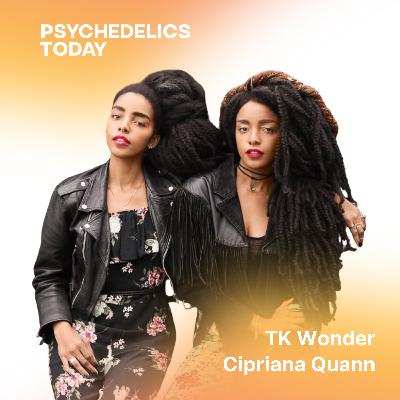
Interviewers: Joe Moore & Anne Philippi Guests: TK Wonder & Cipriana Quann (The Quann Sisters) Recorded: June 18 during MAPS PS 2025 Content note: This episode discusses childhood sexual, physical, and emotional abuse, suicidal ideation, disordered eating, and recovery. Identical twins, writers, and culture-shapers TK Wonder and Cipriana Quann join Joe and Anne for a frank, generous conversation about identity, resilience, and the long arc of healing. Cipriana recounts launching Urban Bush Babes in 2011 to center women of color in beauty and fashion—work that led to a Vogue "day-in-the-life" feature and collaborations with couture houses. TK shares the parallel path of her music career (opening for artists from Sting and Nas to Erykah Badu and Queens of the Stone Age) and the sisters' ongoing writing, public speaking, and mental-health advocacy. They reflect on the fashion industry's policing of natural hair, how those daily microaggressions erode self-worth, and why legal protections like the CROWN Act matter. The heart of the episode is their survival story: a decade of abuse by their father, endured separately yet witnessed together. Seeing one another live through it—"a physical manifestation of survival," as they put it—kept them alive. As adults, daily check-ins remain their core practice. Psychedelics entered their lives years later. With careful set and setting, education, and professional support, psychedelic sessions—especially ibogaine—helped surface grief, release shame, and reframe entrenched coping strategies. Cipriana's first extended session unlocked tears she'd been forced to suppress as a child; TK describes a transformative ibogaine experience that catalyzed a decisive shift away from refined sugar and ultra-processed foods toward sustained movement, earlier mornings, and mindful nourishment. Both emphasize that psychedelics are not "magic pills" in isolation: integration, therapy, community, and lifestyle design make insights durable. The conversation also tackles safety and access. The sisters stress working with experienced facilitators and medical oversight, naming that these modalities aren't for everyone. They call for more affordability and BIPOC representation in a field that can still feel exclusionary, while holding a wide tent vision—everyone deserves the chance to heal. They note how narratives are changing (from early-2000s panic to mainstream book-club conversations), and how stories alongside science move culture and policy. Highlights Fashion, hair politics, and the CROWN Act's importance. Sisterhood as lifeline; daily check-ins as grown-up therapy. First sessions: somatic release, grief, and reframing shame. Ibogaine's role in behavior change; why integration is the bridge. Safety, access, and representation: making healing containers truly welcoming. If you're exploring this work: educate deeply, choose qualified support, prioritize integration, and remember—your past is a chapter, not your whole story.
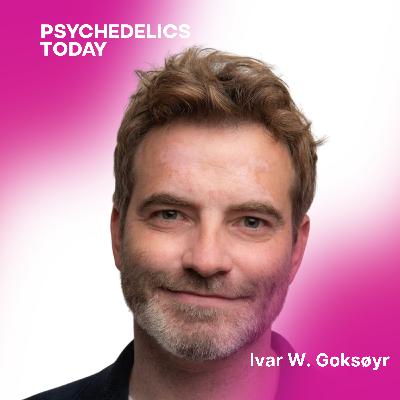
In this candid, practice-focused conversation, Joe is joined by Norwegian psychologist and researcher Ivar Goksøyr to explore how therapists' own healing journeys can measurably improve client outcomes—and why MDMA-assisted experiences, used thoughtfully, may be a uniquely powerful catalyst for professional development. Ivar shares lessons from Norway's psychedelic research team (PTSD and the world's first MDMA-for-depression trial), his clinic Psykologvirke in Oslo, and his online course, "The Wounded Healer," which uses authentic footage from his FDA-approved MAPS volunteer MDMA sessions to illuminate real clinical processes, countertransference, and the "inner healing intelligence" as a working metaphor rather than dogma. The discussion ranges from implementation realities (laws, ethics, and conservative regulatory cultures) to the pragmatic: how an MDMA experience helped Ivar resolve chronic anxiety reactions in the therapy chair, reduced burn-out, increased receptivity, and improved attunement—changes he believes many clinicians can cultivate when personal growth is prioritized alongside methods training. He outlines a developing collaboration with the University of Oslo on Empathogen-Assisted Therapies Development—not to "dose for certification," but to support therapists' self-awareness and resilience in legally sanctioned research contexts. They also compare compounds: why MDMA may be easier to integrate into mainstream psychiatry than classic tryptamines (fewer projective processes, more biographical focus, smoother affect regulation), while acknowledging the immense promise—and higher demands—of psilocybin and other psychedelics. Throughout, they emphasize humility, guardrails, and the need to keep learning as the field scales (with frank reflections on ketamine's mixed rollout and avoiding idealization/devaluation cycles). Highlights Why therapist factors often outweigh modality—and how personal work translates into better outcomes. Using real session video (with Ivar as participant) to normalize vulnerability, illuminate process, and train pattern recognition. Regulatory and ethical nuances of self-experience in training; building consensus before policy change. Inner healing intelligence as a clinical metaphor aligned with Rogers, Rank, and psychodynamic concepts (unconscious therapeutic alliance). MDMA vs. classic psychedelics for implementation; sequencing with ketamine in public systems. Global classroom: 270+ clinicians from every continent; course structure centered on reflection, discussion, and live analysis.
Joe and Kyle debrief a hometown Dreamshadow Transpersonal Breathwork weekend in Breckenridge, then sketch the next chapter for Psychedelics Today: a community-centric model (Navigators) that bundles education, live streams, book and film clubs, and small-group access. They kick around the big "creativity + psychedelics" question, contrast subjective "I feel creative" with objective task performance, and highlight new research—from DMT's potential in stroke recovery to breathwork's measurable effects. They wrap with quick hits on MAPS leadership, state policy moves, and what's coming up at PT this fall. Highlights & takeaways Breathwork > substance? A reminder that profound states are accessible without drugs; benefits of facilitating at home (rested facilitators = safer, better containers). What is "shamanism," really? A functional frame: non-ordinary states, interaction with the unseen, and service (healing/divination). Community > one-off courses: PT is shifting toward a monthly membership model to keep prices accessible, deepen relationships, and sustain more free content. Creativity debate: Double-blind study (DMT + harmine vs harmine vs placebo) suggests impaired convergent thinking despite increased felt creativity; how to define and measure "creativity" fairly, and other research outcomes might tell a different story. Whitehead & novelty: A quick tour through Alfred North Whitehead's notion of "creativity" as the principle of novelty—useful language for mapping psychedelic insight to real-world change. Neuro + clinical frontiers: DMT for stroke (animal models): BBB stabilization and reduced neuroinflammation signal a promising adjunct to current care. Cluster headaches: Emerging reports on short-acting DMT for rapidly aborting cluster cycles; more data coming soon. Breathwork science: New imaging work associates music-supported hyperventilatory breathwork with blissful affect and shifts in blood flow. News & culture mentioned MAPS leadership: Betty Aldworth & Ismail (Izzy) Ali named permanent Co-Executive Directors. Policy snapshots: Colorado Natural Medicine Board recommending ibogaine (with Nagoya-compliance requirement); Alaska signature gathering; Massachusetts activity. Media & scene: Hamilton's recent appearances; contamination concerns in some "psilocybin" products; "psychedelics tick far more neurons than expected" paper; mixed findings for postpartum depression.
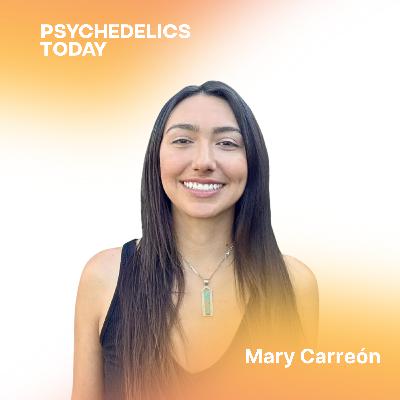
Episode summary Joe and Mary dive into how platform censorship and shifting algorithms have reshaped psychedelic media, why DoubleBlind moved to a "newsletter-first" model, and what that's revealed about true audience engagement. They reflect on the post-2024 MDMA decision headwinds, state-level policy moves (wins and losses), and how funding, politics, and culture continue to reconfigure the field. They also explore alternatives to alcohol, chronic pain research, reciprocity around iboga/ibogaine, and lessons from PS25 (MAPS' Psychedelic Science 2025). Highlights & themes From platforms to inboxes: Social and search suppression (IG/FB/Google) throttled harm-reduction journalism; DoubleBlind's pivot to email dramatically improved reach and engagement. Post-MDMA decision reality: Investment cooled; Mary frames it as painful but necessary growth—an ecosystem "airing out" rather than a catastrophic pop. Policy pulse: Mixed year—some state measures stalled (e.g., MA), others advanced (e.g., NM; ongoing Colorado process). Rescheduling cannabis may add complexity more than clarity. Censorship paradox: Suppressing education makes use less safe; independent outlets need community support to keep harm-reduction info visible. Chronic pain & long COVID: Emerging overlaps and training efforts (e.g., Psychedelics & Pain communities) point beyond a psychiatry-only frame. Alcohol alternatives: Low-dose or occasional psychedelic use can shift habits for some; Mary stresses individual context and support beyond any single substance. Reciprocity & iboga: Rising interest (including from right-leaning funders) must include Indigenous consultation and fair benefit-sharing; pace of capitalism vs. community care is an active tension. PS25 field notes: Smaller, more manageable vibe than 2023; fewer "gold-rush" expectations; in-person dialogue beats online flame wars. Notable mentions DoubleBlind: Newsletter-first publishing; nurturing new writers and reported stories. Psychedelics & Pain Association / Clusterbusters: Community-driven models informing care and research (cluster headache protocols history). Books & media: Body Autonomy (Synergetic Press anthology); Joanna Kempner's work on cluster headaches - Psychedelic Outlaws; Lucy Walker's forthcoming iboga film. Compounds to watch: LSD (under-studied relative to MDMA), 2C-B, 5-MeO-DMT (synthetic focus), and broader Shulgin-inspired families. Mary Carreon: [00:00:00] Okay, I'm gonna send it to my dad because he wants to know. Here Joe Moore: we go. Yeah, send it over. So, hi everybody. We're live Joe here with Mary Anne, how you doing today? Mary Carreon: I'm great Joe. How are you? Joe Moore: Lovely. I actually never asked you how to pronounce your last name does say it right? Mary Carreon: Yes, you did. You said it perfectly Joe Moore: lovely. Joe Moore: Um, great. So it's been a bit, um, we are streaming on LinkedIn, YouTube, Twitch X and Kick, I guess. Yeah. Kick meta. Meta doesn't let me play anymore. Um, Mary Carreon: you're in forever. Timeout. I got it. I got it. Yeah. Joe Moore: Yeah. I think they found a post the other day from 2017. They didn't like, I'm like, oh cool. Like neat, you Mary Carreon: know, you know. Mary Carreon: Yeah. That happened to me recently, actually. Uh, I had a post taken down from 2018 about, uh, mushroom gummies and yeah, it was taken down and I have strikes on my account now. So Joe Moore: Do you get the thing where they ask you if you're okay? Mary Carreon: Yes, with, but like with my searches though, [00:01:00] like if I search something or, or someone's account that has, uh, like mushroom or psychedelic or LSD or something in it, they'll be like, mm-hmm are you okay? Mary Carreon: And then it recommends getting help. So Joe Moore: it's like, to be fair, I don't know if I'm okay, but Yeah, you're like, probably not. I don't really want your help. Meta. Yeah. Mary Carreon: You're like, I actually do need help, but not from you. Thanks. Yeah, Joe Moore: yeah, yeah. Mary Carreon: So not from the techno fascists. Joe Moore: Oh, good lord. Yeah. Uh, we'll go there. Joe Moore: I'm sure. Mary Carreon: I know. I just like really dove right there. Sorry. Yeah. All right, so let's, Joe Moore: um, before we go, let's give people like a bit of, you know, high kicks on, on who is Mary, where you working these days and what are you doing? Mary Carreon: Yeah, thank you. My name is Mary Carryon and I am forever and first and foremost a journalist. Mary Carreon: I have been covering, I say the plant legalization spaces for the past decade. It's, it's been nine and a half years. Uh, on January 3rd it will be [00:02:00] 10 years. And I got my start covering cannabis, uh, at OC Weekly. And from there went to High Times, and from there went to Mary Jane, worked for Snoop Dogg. And then, uh, I am now. Mary Carreon: Double blind. And I have become recently, as of this year, the editor in chief of Double Blind, and that's where I have been currently sinking my teeth into everything. So currently, you know, at this moment I'm an editor and I am basically also a curator. So, and, and somebody who is a, uh, I guess an observer of this space more than anything these days. Mary Carreon: Um, I'm not really reporting in the same way that I was. Um, but still I am helping many journalists tell stories and, uh, I feel kind of like a story midwife in many ways. Just like helping people produce stories and get the, get the quotes, get the angles that need to be discussed, get the sentences structures right, and, um, uh, helping [00:03:00] sometimes in a visionary kind of, uh, mindset. Mary Carreon: So yeah, that's what I'm doing these days. Joe Moore: Oh, there it is. Oh, there you are. Love that. And um, you know, it's important to have, um, editors who kind of really get it from a lot of different angles. I love that we have a lot of alignment on this kind of, and the drug war thing and kind of let's, uh, hopefully start developing systems that are for people. Joe Moore: Yeah, absolutely. If you wanna just say that. Yeah, absolutely. Mary Carreon: Yeah, absolutely. Joe Moore: So, um, yeah, I almost 10 years in January. That's great. We um, it's so crazy that it's been that long. I think we just turned nine and a half, so we're maybe just a few, a few months shorter than your I love it. Plant medicine reporting career. Joe Moore: That's great. I love it. Um, yeah, so I think. I think one of the first times we chatted, [00:04:00] um, I think you were doing a piece about two cb Do you, do you have any recollection of doing a piece on two cb? Mary Carreon: I do, yes. Yes. Wait, I also remember hitting you up during an Instagram live and I was like, are you guys taking any writers? Mary Carreon: And you guys were like writers, I mean, maybe depending on the writer. Joe Moore: And I was like, I was like, I dunno how that works. Mary Carreon: Like me. Yeah. Joe Moore: Yeah. It was fun. It was fun to work with people like yourself and like get pieces out there. And eventually we had an awesome editor for a bit and that was, that was really cool to be able to like support young startup writers who have a lot of opinions and a lot of things to point out. Joe Moore: There's so much happening. Um, there was so much fraud in like wave one. Of kind of the psychedelic investment hype. There's still some, but it's lesser. Um, and it's really a fascinating space still. Like changing lives, changing not just lives, right? Like our [00:05:00] perspective towards nearly everything, right? Joe Moore: Yeah. Mary Carreon: Yes, absolutely. Absolutely. I mean, it's interesting because the space has matured. It's evolved. It's different than it was even, what a, I mean, definitely nine years ago, but even five years ago, even four years ago, even last year, things are different. The landscape is different than it was a year ago. Mary Carreon: And I, it's, it's interesting to see the politics of things. It's interesting to see who has money these days given like how hard it is just to kind of survive in this space. And it's interesting just to. Bear witness to all of this going down because it really is a once in a lifetime thing. Nothing is gonna look the same as it does now, as it, uh, then it will like in a, in a year from now or anything. Mary Carreon: So it's really, yeah. It's interesting to take account of all of this Joe Moore: That's so real. Uh, maybe a little [00:06:00] too real, like it's serious because like with everything that's going on from, um, you know, governance, governments, ai Yes. Drug policy shifts. Drug tech shifts, yes. There's so much interesting movement. Um, yes. Joe Moore: You, you know, you, you kind of called it out and I think it's really actually worth discussing here since we're both here on the air together, like this idea that the psychedelic market, not idea, the lived experience of the psychedelic market having shifted substantially. And I, I, I think there's a lot of causes. Joe Moore: But I've never had the opportunity to really chat with you about this kind of like interesting downturn in money flowing into the space. Mm-hmm. Have you thought about it? Like what might the causes be? I'm sure you have. Mary Carreon: Yeah. Yeah, I have. Yeah. I've thought about it. I mean, it's hard. Well, I don't know. I am really not trying to point fingers and that's not what I'm [00:07:00] trying to do here. Mary Carreon: But I mean, I think a lot of people were really hopeful that the FDA decision last June, not last June, the previous June, a year ago, 2024, June was going to open the floodgates in terms of funding, in terms of, um. In terms of mostly funding, but also just greater opportunities for the space and, uh, greater legitimacy granted to the psychedelic medicine space. Mary Carreon: Mm. And for those who might not know what I'm talking about, I'm talking about the, uh, FDA decision to rejec
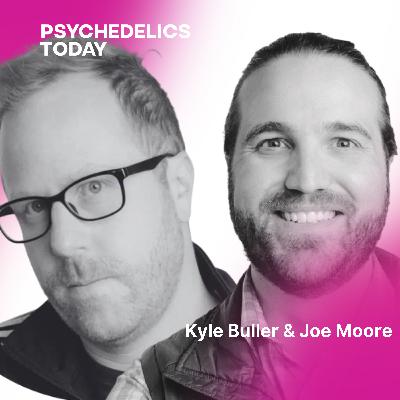
Joe and Kyle celebrate Vital Cohort 4 and reflect on why Vital is more than a 12-month psychedelic-informed training—it's a living community (alumni webinars, discussion groups, cross-cohort meetups). Many grads aren't rushing to facilitate; they're choosing integration, harm reduction, education, and local community building. Next cohort dates are TBD —applications and email sign-ups are open. Breathwork in Breckenridge (this weekend) Dreamshadow Transpersonal Breathwork returns Fri–Sun. The last workshop reinforced how powerful the format is for bonding, somatic processing, and ongoing peer support. Music & tech: fail-safe playbook Keep redundant sources: primary laptop with WAV/FLAC (VLC/Mixxx), secondary device/phone, and a small Bluetooth speaker as last resort. Redundant mixers/interfaces, tested cables, simple signal flow. Pre-flight the exact rig; monitor for digital artifacts/grounding noise. Use offline playlists + Do Not Disturb (actually test it). Why community matters now With AI accelerating "dead-internet" dynamics, trusted human networks—book clubs, film clubs, local meetups—are essential. Skills for the moment: digital security hygiene and discernment (evaluating claims, sources, and inner signals). News & trends Alaska: statewide psilocybin initiative begins signature gathering. New Mexico: momentum toward group psilocybin care (cost-cutting models; ~2-year horizon). TBI & psychedelics: expanding research interest (ibogaine/5-MeO imaging work; anti-inflammatory angles). Colorado & iboga: advisory board backs therapeutic use and encourages Nagoya Protocol reciprocity; federal import/legal nuances remain. Harm-reduction notes Beware gas-station/head-shop "psychedelic" edibles labeled as "proprietary blends." Ask for COAs and clear ingredients; understand test-kit limits (chocolates are tricky). For injections (even "legal" clinics), ask about sterile technique, water, dosing, and sourcing. Get involved Navigators: join our membership for exclusive livestreams, book/film clubs, courses, and meetups. Vital: apply or join the interest list—dates announced soon.
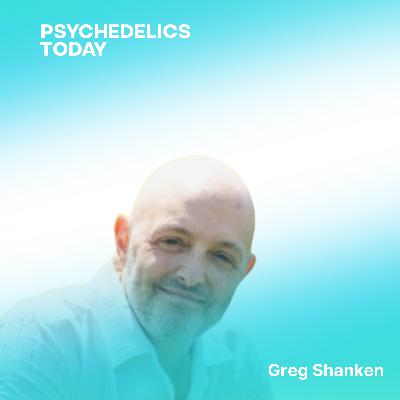
Joe Moore sits down with Greg Shanken (Colorado Psychedelic Society, Collaborence Psychedelic Business Association; founder, Higher Frequency Network) for a wide-ranging conversation about building community infrastructure, navigating censorship, and creating accessible, ethical pathways into psychedelic healing. Greg shares his personal arc from lifelong depression to ayahuasca, ketamine, and Bufo; why he launched a vetted affiliate/partner network for our space; and how Oregon–Colorado collaboration can widen access while honoring reciprocity and conservation. Key themes Collaborence: a two-day CO/OR event (online + in-person) connecting facilitators, professionals, and the public with pay-what-you-can access options. Access & affordability: how to widen entry points (microdosing, breathwork, scholarships/funds) within and beyond regulated service/healing centers. Censorship & platform risk: why repeated Meta account shutdowns pushed Greg to build community-based distribution outside big ad networks. Personal journey: depression, SSRIs/SNRIs/ADHD meds → ayahuasca (two-night initiation), IM ketamine, and later Bufo/5-MeO-DMT. Ethics & ecology: "blood toad," conservation, and the case for synthetic 5-MeO-DMT over toad-sourced material; parallels with peyote/mescaline carve-outs. Leadership & culture: bringing heart-centered leadership, breathwork, and microdosing into companies; moving from transactional to mutual-aid ecosystems. Regulated vs. underground: costs, insurance realities, sliding-scale models, and the role each plays in a healthy landscape.
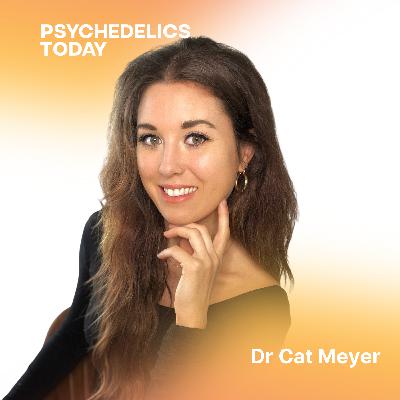
In this episode of Psychedelics Today, Joe Moore sits down with Dr. Cat Meyer, licensed psychotherapist, sex therapist, and host of Sex, Love, Psychedelics. Together, they explore the deep intersections of sexuality, trauma healing, psychedelics, and the role of play in human connection. Dr. Meyer shares her journey from growing up in rural Missouri and navigating early trauma to becoming a leading voice in sex therapy and psychedelic integration. She opens up about her personal healing path, her work with ketamine-assisted therapy, and how tantra, BDSM, and art have shaped her approach to erotic wellness. Topics Covered Defining the Erotic: Beyond sex, eroticism as vibrancy, life force, and connection to the senses. Personal Story: Dr. Meyer's early struggles, academic path in marriage and family therapy, and her discovery of tantra and BDSM as transformative practices. Psychedelics and Healing: Her first experiences with MDMA-assisted therapy, ketamine retreats for women, and how these tools can reconnect people with pleasure and embodiment. The Power of Play: Why play is essential for healing, relationships, and cultural transformation—ranging from improv and art to Burning Man experiments. Navigating Power Dynamics: How erotic transference, facilitation, and unconscious needs can shape therapy, sex, and psychedelic work—and why self-awareness is crucial. Feral Mysticism: Rewilding the body, reclaiming personal authority, and embracing vibrancy outside of cultural repression. Pleasure and Illness: How Dr. Meyer works with clients facing chronic pain, fatigue, or illness to maintain erotic connection through presence and small practices. Key Quotes "Eroticism is the connection to vibrancy, to life—it's how we engage with the world through pleasure." "Feeling is power. A discerning human who can feel is a powerful human." "Psychedelics help us come back into right relationship with our body and with pleasure." "Play gives us the freedom to experiment, to try, to be vulnerable, and to learn without attaching our worth to the outcome."


Download from Google Play

Download from App Store
 United States
🫵🔥✌️🤘😤🤘
Great Conversation as Always
-Like oh my god! lots of whinging..
what is the paper that Robin was talking about when discussing brain-environment interactions
Hello and thanks for sharing .Also would like to share the work of RUSBM STUDIO , whose services i took recently and they are doing tremendous job in architectural design. Go avail their services at resonable cost and see the results for yourself. Contact them here : https://www.rusbmstudio.com/
Hello and thanks for sharing .Also would like to share the work of RUSBM STUDIO , whose services i took recently and they are doing tremendous job in architectural design. Go avail their services at resonable cost and see the results for yourself. Contact them here : https://www.rusbmstudio.com/
Hello and thanks for sharing .Also would like to share the work of RUSBM STUDIO , whose services i took recently and they are doing tremendous job in architectural design. Go avail their services at resonable cost and see the results for yourself. Contact them here : https://www.rusbmstudio.com/
Hello and thanks for sharing .Also would like to share the work of RUSBM STUDIO , whose services i took recently and they are doing tremendous job in architectural design. Go avail their services at resonable cost and see the results for yourself. Contact them here : https://www.rusbmstudio.com/
Hello and thanks for sharing .Also would like to share the work of RUSBM STUDIO , whose services i took recently and they are doing tremendous job in architectural design. Go avail their services at resonable cost and see the results for yourself. Contact them here : https://www.rusbmstudio.com/
so much info. had to listen twice
Remember when traveling to take into account your astro cartography. Also check your #vedicastrologicalchartYO
Kyles NDE story gave me chills. The story about his consciousness floating between his body and the room just blows my mind. #nde 
Doma Nunzio of MagicMyco has engineered a triple hybrid strain that is very powerful. He calls it Trinity. Apparently the three strains have all contributed their psilocin-producing factors in a synergistic way. He has other strains he has crossbred too, like Tidal Wave, Roller Coaster and Blue Avians.
her vocal fry doesn't mesh with her message.
egcetera
[105] This was an awesome episode! Keep up the good work
The only constructive criticism I can give is stop saying "um" :) doing great otherwise!