


Recovering Out Loud
Subscribed: 20Played: 313
Subscribe

© ROL Productions
Description
Most recovery podcasts tell stories. I help you build skills. This is sobriety you can actually use — from someone who lived it, studied it, and coaches it every day.
I started this podcast to stay sober and hopefully help one person.
Each episode dives into powerful comeback journeys—from rock bottom to resilience—alongside expert insights on addiction recovery, sobriety strategies, mental health, trauma healing, and personal growth.
Each episode features raw conversations and expert insights on addiction, sobriety, mental health, trauma healing, and personal growth.
Anthony’s own experience from getting sober in 2015 to relapsing after 8 years clean in sobriety fuels his mission to share voices that inspire, educate, and empower. He left his corporate management job to become an addiction counsellor and carry the message of recovery to others. Whether you’re on your own recovery path or supporting someone you love, this podcast offers hope, tools, and motivation to live free and fully
If you or someone you love is struggling please
Reach out to me here👇
https://linktr.ee/Recoveringoutloudpod
I started this podcast to stay sober and hopefully help one person.
Each episode dives into powerful comeback journeys—from rock bottom to resilience—alongside expert insights on addiction recovery, sobriety strategies, mental health, trauma healing, and personal growth.
Each episode features raw conversations and expert insights on addiction, sobriety, mental health, trauma healing, and personal growth.
Anthony’s own experience from getting sober in 2015 to relapsing after 8 years clean in sobriety fuels his mission to share voices that inspire, educate, and empower. He left his corporate management job to become an addiction counsellor and carry the message of recovery to others. Whether you’re on your own recovery path or supporting someone you love, this podcast offers hope, tools, and motivation to live free and fully
If you or someone you love is struggling please
Reach out to me here👇
https://linktr.ee/Recoveringoutloudpod
71 Episodes
Reverse
Today Allen Kharlip, Clinical Supervisor at Addiction Rehab Toronto and good friend, returns to recovering out loud as we open up about current events. In this raw conversation, we unpack how social media becomes a new addiction for people in recovery — triggering comparison, inadequacy, obsessive thinking, and emotional relapse.If you’ve ever scrolled Instagram and felt worse afterward, you’re not alone. We talk about why inspiration online quickly turns into self-judgment, why comparison is the thief of joy, and how recovery tools like spirituality, connection, discipline, and CBT help us break the cycle.This episode covers:– Why scrolling never makes you feel better– How comparison fuels insecurity + relapse thinking– The “addict brain” hijacking social media– What actually restores peace: connection, meetings, service, spirituality– Setting boundaries around tech in early recovery– How to stop chasing validation and start living againFind Allens full story on episode
In this episode, I break down what spirituality actually is — especially for people in recovery who don’t believe in God, grew up religious, or feel triggered by the word “spiritual.”Spirituality in recovery isn’t dogma — it’s connection, grounding, meaning, and a power greater than your impulsive brain. Today I share practical spiritual tools, how I rebuilt my relationship with a higher power after relapse, and how spirituality became the anchor that keeps me sober.We cover:• Spirituality vs religion (what’s the difference?)• Why willpower alone isn’t enough in addiction recovery• The spiritual void caused by addiction• Practical tools: stillness, gratitude, service, meaning-making, surrender• How ego blocks your recovery• How to build a spiritual practice even if you’re brand newIf you’re struggling, open to change, or tired of white-knuckling sobriety—this one’s for you.Follow on IG: @RecoveringOutLoudPodSubscribe for weekly recovery content.
In today’s episode of Recovering Out Loud, Anthony breaks down one of the biggest challenges in sobriety: the fear of the future. If you struggle with overthinking, catastrophizing, anxiety about relapse, financial insecurity, or the pressure of rebuilding your life — this episode will ground you.You’ll learn:• The psychology and neurology behind fear in recovery• Why uncertainty feels dangerous when you stop drinking or using• The lies fear tells, and how to counter them with evidence• How fear shapes behaviour, avoidance, self-sabotage & toxic cycles• Tools for emotional sobriety: reframing, action steps, CBT, surrender• How to build a healthy relationship with the future• Reflection questions you can use todayIf this episode resonates, hit Subscribe, leave a rating, and share it with someone who needs it. Recovery makes the future possible — not dangerous.Keywords:recovery podcast, fear of the future, sobriety anxiety, emotional sobriety, addiction recovery motivation, relapse prevention, overthinking in recovery, fear in sobriety, CBT for anxiety, early recovery support, how to stay sober, Anthony Recovering Out Loud
In this community-driven episode, Anthony dives into the real questions you submitted — from alternative paths to sobriety to emotional boundaries, routines, family support, and how recovery skills apply to everyday life. No sugarcoating. No one-size-fits-all solutions. Just practical guidance from lived experience and professional training.We cover:• Why 12-step programs aren’t the only option• What detox vs. rehab REALLY means• How to help others without losing your own sobriety• The difference between supporting and enabling• How professionals protect their emotional boundaries• Why structure and routine save lives• How families can support a loved one coming home from treatment• Recovery tools that make everyone’s life better — not just people with addictionIf this episode helps you, please follow, like, or subscribe — it’s the best way to support the show so this free content can reach more people who need it.Instagram: @RecoveringOutLoudPodYou are not alone.(I appreciate you. I love you.)Resources: USA988 Suicide & Crisis Lifeline — Call or text 988 for mental-health or substance-use crisesSAMHSA National Helpline (24/7):https://www.samhsa.gov/find-help/national-helplineTreatment Locator (Detox/Rehab Directory):https://findtreatment.govNAMI HelpLine:https://nami.org/helpPartnership to End Addiction (Parents/Families):https://drugfree.orgShatterproof Addiction Resources:https://www.shatterproof.org/find-helpAA (Alcoholics Anonymous):https://www.aa.orgNA (Narcotics Anonymous):https://www.na.orgSMART Recovery (CBT-based):https://www.smartrecovery.orgLifeRing Secular Recovery:https://www.lifering.orgRefuge Recovery (Buddhist-based):https://www.refugerecovery.orgCanada911 — Overdose or immediate danger988 Suicide & Crisis Helpline — Call or text 988 (nationwide)Wellness Together Canada:https://www.wellnesstogether.caConnexOntario (Ontario mental health & addiction directory):https://www.connexontario.ca211 Canada (local services search):https://211.caHealth Canada Substance Use Resources:https://www.canada.ca/en/health-canada/services/substance-useBC: Here to Help:https://www.heretohelp.bc.caAlberta Health Services Addiction Help:https://www.albertahealthservices.ca/am/page16759.aspxSaskatchewan Health Authority Addictions:https://www.saskhealthauthority.ca/your-health/conditions-diseases-services/addictionsManitoba Addictions Foundation:https://afm.mb.caQuébec: Trouver de l’aide:https://www.quebec.ca/sante/trouver-aideNova Scotia Mental Health & Addictions:https://mha.nshealth.caNew Brunswick Addiction Services:https://www2.gnb.ca/content/gnb/en/departments/health/AddictionsandMentalHealth.htmlPEI Addiction Services:https://www.princeedwardisland.ca/en/information/health-pei/addiction-servicesNewfoundland & Labrador:https://mha.easternhealth.ca/addictionsAA Canada:https://www.aa.org/pages/en_US/find-local-aaNA Canada:https://www.canaacna.orgSMART Recovery Canada:https://smartrecovery.org/local/caAl-Anon / Nar-Anon (family support):https://al-anon.org & https://naranon.org
Most people think relapse is a single moment — but it’s not.In this video, I break down the three phases of relapse (emotional → mental → physical) and explain why relapse actually starts weeks or months before the first drink or drug. Using my own experience — eight years sober before relapsing, multiple rehabs, and now working in addiction counseling — plus the science behind cravings and dopamine, this video gives you a clear roadmap for understanding relapse and preventing it before it begins.You’ll learn:✅ The early emotional warning signs most people ignore✅ How stress, boredom, overconfidence, and isolation create relapse conditions✅ Why cravings feel so powerful and why your brain seeks the “quick fix”✅ How to identify your patterns, triggers, and red flags✅ Simple but powerful tools to interrupt cravings in real time✅ How to build a relapse prevention plan that actually works✅ Why relapse is not failure — and how to turn it into growthWhether you're new to recovery, coming back, or supporting someone you love, this is one of the clearest explanations of relapse you’ll find. No shame. No judgment. Just honesty, science, and practical tools.0:00 How relapse actually worksEmotional relapse signs (poor sleep, irritability, isolation)Mental relapse & “addict brain” bargainingWhy dopamine memories trigger cravingsPhysical relapse: the result, not the beginningMy story: relapsing after 8 years soberScience of cravings & stress responseTools to interrupt urges instantlyPattern recognition & relapse journalingWhy connection is the antidote to addictionThe dangers of overconfidence in recoveryShame, avoidance, and emotional overloadBuilding a simple relapse prevention planrelapse preventionstages of relapseemotional relapse signsaddiction recovery toolshow relapse happensmental relapse warning signssobriety motivationstaying sober during holidaysrelapse triggersaddiction psychologyrelapse after long-term sobrietyIf this video helps you, please subscribe, rate, and share the podcast — it supports the channel, the message, and the people who need these tools the most. You’re not alone. You’re worth recovery.
“We almost died… so we have to talk about it.”This line says everything.This episode is a deep, unfiltered look into addiction, relapse, shame, near-death moments, and why telling the truth becomes a responsibility once you survive something you shouldn’t have.Today I sat down with the ladies from Girl, Undrunk - a podcast about addiction and sobriety. We talk openly about:Relapse triggered by body dysmorphia and Ozempic misuseSecrets, lying by omission, and why they keep you sickThe fear of asking for helpFamily dynamics, walking on eggshells, and holiday triggersWhy sobriety feels awkward at firstThe myth of “being fun when you drink”What REAL sober fun looks likeBuilding friendships that protect your recoveryWhy podcasting became a safe place to tell the truthIf you’ve ever felt alone, ashamed, or afraid to talk about your past — this episode shows you that healing begins when you finally say it out loud.👉 Follow for conversations that can actually save lives.
Going out sober is one of the hardest early-recovery milestones — but it DOES get easier.In this episode, I share the exact tools, mindset shifts, and sober strategies that helped me get through clubs, parties, concerts, holidays, and social events without drinking or using.You’ll learn:• Why going out sober feels so awkward at first• How to survive the “10–30 minute anxiety spike”• The sober ritual that keeps you grounded• What to say when someone asks “Why aren’t you drinking?”• How to handle triggers, pressure, and old using environments• When to leave — and why leaving early is a superpower• How to actually have FUN again without alcoholWhether you’re in early recovery or years in, you’ll find practical tips that work in real-world situations.You’re not broken. You’re just learning a new way to live — and you don’t have to do it alone.If this episode helped you, subscribe for more sober tools, real recovery talk, and weekly episodes.✨ Recovery is simple… not easy.✨ Don’t pick up the first one.
AA? SMART? Refuge? Therapy? Coaching?If you’ve ever tried to get sober and felt overwhelmed by all the recovery options out there, this video breaks everything down in a simple, honest, and non-judgmental way. Whether you're sober-curious, in early recovery, or coming back after relapse — this guide will help you understand what’s out there and how to choose the right recovery modality for you.In this 15 -minute breakdown, I cover:✔ 12-Step programs (AA, NA, CA) — what they’re actually like✔ SMART Recovery & secular options✔ Refuge Recovery, Recovery Dharma & mindfulness-based modalities✔ Therapy for addiction (CBT, DBT, EMDR, MI)✔ Online recovery communities & sober coaching✔ Harm reduction & medication support✔ How to actually choose a path that fits your life, personality, and needsRecovery isn’t “one size fits all.” It’s a toolbox.You get to build the version that keeps you alive, sober, and growing.If this helped, drop a comment about your experience with different recovery paths — it might help someone else watching.DISCLAIMER:I DO NOT REPRESENT ANY OF THESE ORGANIZATIONS OR GROUPS THIS IS MY EXPERIENCE AND OPINON 🔔 Follow for more content on sobriety, relapse prevention, addiction psychology, emotional healing, and building a life you don’t need alcohol to escape from.
Is sobriety supposed to feel boring?Short answer: yeah… sometimes it does. But there’s nothing wrong with you — your brain is literally recalibrating after years of artificial dopamine spikes from alcohol, cocaine, or whatever your drug of choice was.In today’s video, I break down why boredom happens in early recovery, how long the flat / plateau phase lasts, and what actually helps you rebuild motivation, joy, excitement, and real dopamine again.You’ll learn:✔ Why your dopamine system drops during early sobriety✔ Why boredom is NOT failure✔ How boredom can trigger relapse (my story)✔ How addiction hijacks “fun”✔ How to build REAL dopamine (not the quick highs)✔ How to create a life that’s exciting again without substances✔ The difference between boredom vs loneliness✔ How long the “flat” recovery phase lasts✔ Practical steps to feel better todayIf you’re sober-curious, newly sober, or coming back after relapse — this video will make you feel seen, validated, and supported.👇 Subscribe for more recovery contentIG: @RecoveringOutLoudPodPodcast: Recovering Out Loud PodcastTikTok / YouTube Shorts: @recoveringoutloudpodRecovery is simple, not easy. One day at a time.
Your first 30 days of sobriety can feel confusing, overwhelming, and honestly… scary.In this video, I break down exactly what to expect in early recovery — week by week — so you don’t have to go through it alone.We’ll talk about withdrawal, cravings, sleep, anxiety, emotional ups & downs, what’s normal, and how to make it through the first month alcohol-free.This video is for you if:• You’re on Day 1 or restarting• You want a simple plan to stay sober• You’ve relapsed before and want this time to be different• You need support, reassurance, and practical tools that actually workWhat you’ll learn:• How to survive the first 7 days without alcohol• Why cravings feel so intense & how to handle them• The emotional rollercoaster of Days 8–14• How your body and brain start healing• What to do each day to make sobriety easier• Common traps that lead to relapse• A simple daily routine for your first 30 days alcohol-freeIf you’re in early recovery, you are NOT alone. Drop where you’re at (Day 1, Day 5, Day 30!) and I’ll cheer you on. You can do this — one day at a time.
From the Big Book of Alcoholics Anonymous Page 86-88on awakening Follow Us:JOIN ME ON MY SOCIALS - FREE RECOVERY GUIDE AND RECOVERY COACHING https://linktr.ee/Recoveringoutloudpod🌐 Website: recoveringoutloud.ca📱 Socials: @RecoveringOutLoudPod (Instagram, X, TikTok & more)🔗 All Links: linktr.ee/Recoveringoutloudpod💡 Helpful Resources for Addiction & Recovery🇨🇦 National (Canada-Wide) ResourcesCanadian Centre on Substance Use and Addiction (CCSA)Research, policy, and resources on substance use and addiction.Health Canada – Substance Use and AddictionsGovernment info on prevention, treatment, and harm reduction.Canada’s Drug and Alcohol Treatment DirectoryLocate treatment centers across Canada.National Overdose Response Service (NORS)Peer-run hotline for safer drug use support.📞 Call: 1-888-688-6677🏠 Ontario-Specific ResourcesConnexOntario – Mental Health & Addiction HelplineFree, confidential support for addiction and mental health.📞 Call: 1-866-531-2600Ontario Addiction Treatment Centres (OATC)Opioid addiction treatment (methadone, Suboxone).Ontario Harm Reduction NetworkSafer drug use, naloxone, and harm reduction programs.CAMH (Centre for Addiction and Mental Health)Leading hospital for addiction and mental health care.📞 Call: 1-800-463-6273Withdrawal Management (Detox) Services in OntarioFind detox and treatment programs.Ontario 211 – Addiction & Mental Health ServicesConnect to local support services.📞 Dial: 211🚨 Crisis & Immediate HelpOverdose Prevention Hotline: 1-888-853-8542Talk Suicide Canada: 1-833-456-4566 | Text: 45645Good2Talk (For Students): 1-866-925-5454💬 Join the conversation! Share your thoughts in the comments, and let’s recover out loud together.👍 Like, subscribe, and hit the bell for new episodes every week!#AddictionRecovery #MentalHealth #RecoveringOutLoud #recovery #addiction #podcast #sober #sobriety
This episode explores opioid addiction, methadone and Suboxone treatment, fentanyl risks, withdrawal, and the emotional toll of relapse. Kate from CATC breaks down how opioid agonist therapy works, why shame keeps people stuck, and what treatment centers can do better. Anthony shares raw stories from relapse, detox, and how connection, honesty, and support saved his life. If you want real insight into recovery, harm reduction, and long-term sobriety—this is the episode to hear.
In this episode of Recovering Out Loud, we dive into a raw and honest conversation about relapse, body language, hidden pain, and the transformation that happens when recovery is paired with purpose.We unpack the moment a friend could see a relapse coming before the person struggling could even admit it. We talk about the shame, denial, and the sixth-sense intuition people in recovery often develop.From 48-hour blackouts to becoming a coach who helps people rebuild their relationship with movement, she shares how fitness became a powerful anchor in sobriety — but also how it can become obsessive, toxic, and another addiction if we’re not careful.We explore:• How childhood pressure + performance can shape addiction• Why your body language reveals everything you try to hide• How community workouts mimic recovery meetings• The rise of steroids, Ozempic, and “fitness as numbing” in sobriety• Workaholism, burnout, money stress, and staying spiritually grounded• How to move from extrinsic validation to intrinsic values• Why recovery is “six garbage cans with five lids”If you’re navigating sobriety, struggling with body image, stuck in obsessive fitness cycles, or looking for community — this episode is for you.Listen, share, and join the recovery conversation.#sober #recovery #addictionrecovery #mentalhealth #fitnessjourney #healing
In this episode of Recovering Out Loud, Anthony sits down with Alexandra Perry, Director of Business Development for Inpatient and Virtual Programs, and former Executive Director at Trafalgar Addiction Treatment Centres. With over a decade of experience across nonprofit shelters, addiction treatment, and higher education, Alexandra brings a powerful mix of lived experience, leadership insight, and compassion to the conversation.Together, we unpack:The real link between workplace stress, burnout, and substance useWhy “recovery is a privilege” for some — and how that must changeThe truth about hitting rock bottom and why prevention matters more than everHow trauma, shame, and silence keep people sickWhat organizations can do to create trauma-informed, supportive spaces for employeesThis is a raw, human conversation about systemic change, courage, and connection — reminding us all that recovery starts with empathy and asking for help.
In this emotional and deeply relatable episode of Recovering Out Loud, host Anthony sits down with Eryl McCaffrey, a psychotherapist and woman in long-term recovery, to explore the toxic link between body image, perfectionism, and addiction.Eryl opens up about growing up in an alcoholic home, chasing perfection to escape pain, and how her obsession with control over her body and success masked deeper wounds.They dive into what it means to truly let go — to stop chasing validation and start building connection, spirituality, and self-acceptance.You’ll learn:Why perfectionism and body image struggles often lead to addictionHow trauma disconnects us from our bodies and our emotionsWhat “relief” really means in early recoveryWhy spiritual connection is the antidote to self-destructionDaily recovery practices that rebuild peace, gratitude, and purposeThis conversation is for anyone stuck in the loop of not enoughness — and ready to find peace in their own skin.
If you’ve ever struggled with addiction, relapse, or finding long-term sobriety, this conversation will inspire you.Host Anthony speaks with Allison, an intake counselor at Addiction Rehab Toronto, about her journey from active addiction to seven years of recovery. They unpack what really causes relapse, the importance of spirituality, practical tools like journaling and gratitude lists, and why sober support systems matter long after treatment ends.You’ll hear personal experiences about triggers at social events, navigating shame, rebuilding trust with family, and how traveling and living sober can be joyful. Whether you’re new to recovery, supporting a loved one, or looking to deepen your sobriety, this episode offers hope and actionable advice.Subscribe for more real recovery stories and tools for staying sober.www.addictionrehabtoronto.ca

Today i sat down with Melanie Matthews, BSW, MSW, RSW Director of Clinical Programs at Canadian Addiction Treatment Centres Melanie Matthews is a registered social worker with BSW and MSW degrees. She takes a collaborative approach to therapy and uses a person-centered approach while maintaining empathy and a non-judgemental stance.Melanie has worked in social services and mental health since 2010 in several different areas of practice including residential treatment programs, educational settings, and not-for-profit organizations.She uses primarily Solution Focused Brief Therapy (SFBT), Cognitive Behavioural Therapy (CBT), and Dialectical Behavioural Therapy (DBT) in her work. She often works with youth and adult clients experiencing a range of issues, including depression, anxiety, and personality disorders.Melanie co-authored a paper titled “A Review of Mental Health Services Offered by Canada’s English Language Universities“, which investigated the availability of mental health services offered to postsecondary students on campus compared to known prevalence rates of mental health issues.She has also written a number of reports regarding best practices for youth serving programming offered by not-for-profit organizations across Ontario. She continues to engage in research and knowledge dissemination as a vehicle for advocacy and social justice.Are you or a loved one struggling to find the right path to recovery? This episode dives deep into the world of addiction treatment and long-term sobriety.Host Anthony speaks with Melanie, an addiction professional with personal recovery experience, about navigating the complex choices between virtual programs, outpatient care, and inpatient rehab. They discuss why some people relapse, what daily essentials help sustain long-term recovery, and how to choose the right treatment center.This conversation also unpacks the difference between supporting and enabling a loved one, the role of families in recovery, and what to look for in public vs private treatment centers. Melanie also shares insights on medication-assisted recovery (like naltrexone and other emerging therapies), and how to stay connected to community and self-care.Find her here https://canatc.ca/biographies/melanie-matthews/Subscribe for honest, practical advice and real recovery stories to inspire hope and healing.
After decades of drinking, failed restarts, and hitting countless rock bottoms, Tom found himself on the edge — alone in a Toronto condo, terrified and ready to end it all. But one small moment — looking into his dog’s eyes — changed everything.In this raw and honest conversation, we talk about:Surviving suicidal thoughts and choosing life one day at a timeWhy “never too late” really matters in addiction recoveryThe unexpected kindness of a first AA Zoom meetingPractical tools to fight overwhelm: “next right thing,” morning check-ins, and self-compassionIf you’re struggling with addiction, self-worth, or feeling like change is impossible — this story will give you hope, practical recovery insights, and proof you’re not alone.
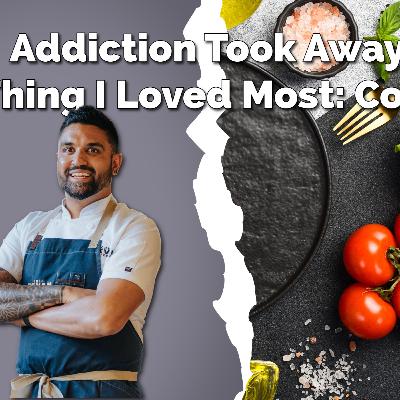
I say down with Chef Devan...Driven by his desire and ambition to be the best in the business, Guyanese, Canadian Chef Devan Rajkumar (aka Chef Dev) has no boundaries when it comes to culinary exploration. Chef Devan Rajkumar is on a mission to create food worth sharing that modernizes the craft, traditions and tastes of East and West Indian cuisines. Whether that means owning the role of food expert on Cityline, traveling abroad to gain more experience and share his craft, appearing as a judge on Food Network Canada’s Fire Masters, developing signature soups with Mema Foods International or hosting pop-ups with chef peers both local and internationally on any given day. This episode dives deep into the raw truths of addiction, relapse, and the ongoing journey of recovery. From finding podcasting as a lifeline in rehab, to rediscovering humility, service, and purpose, we explore how sobriety isn’t just about abstaining—it’s about learning how to live again.You’ll hear powerful stories about:Relapsing after 8 years and starting overWearing the “mask” and hiding behind egoFunctional alcoholism and the danger of high performance in addictionHow addiction stripped away passion—and how recovery brought it backWhy humility, service, and honesty are the keys to lasting changeIf you’re looking for hope, tools, and real conversations about recovery, addiction, and mental health, this episode will resonate.
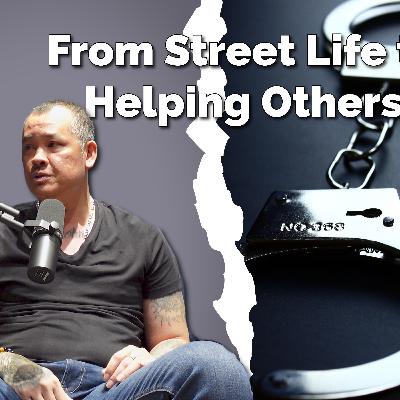
In this powerful episode of Recovering Out Loud, we explore the raw and unfiltered journey of a man who transformed his life from violence, drugs, and street survival to healing, meditation, and spiritual awakening. He shares his earliest memories of abuse, how he lost himself behind masks and identities, and the pivotal moment that led him to leave the street life behind.Through deep reflections on meditation, forgiveness, spirituality, and personal growth, this episode dives into how letting go of control, finding inner guides, and practicing awareness can completely change the course of a life.If you’ve ever struggled with identity, trauma, addiction, or resentment, this conversation is a reminder that transformation is possible—and that healing starts from within.

Comments

Download from Google Play

Download from App Store
 United States