


 Claim Ownership
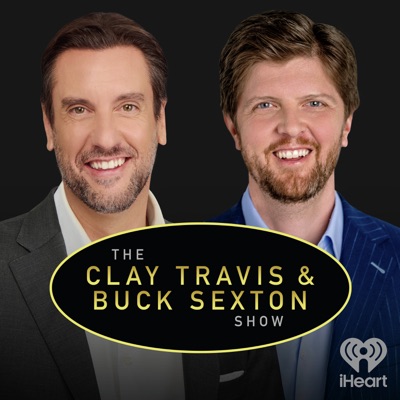
The Clay Travis and Buck Sexton Show
Subscribed: 13,948Played: 3,863,457
Subscribe

2025 iHeartMedia, Inc. © Any use of this intellectual property for text and data mining or computational analysis including as training material for artificial intelligence systems is strictly prohibited without express written consent from iHeartMedia
Description
The Clay Travis and Buck Sexton Show. Clay Travis and Buck Sexton tackle the biggest stories in news, politics and current events with intelligence and humor. From the border crisis, to the madness of cancel culture and far-left missteps, Clay and Buck guide listeners through the latest headlines and hot topics with fun and entertaining conversations and opinions.
4987 Episodes
Reverse

Ari Ackerman, founder of the groundbreaking app BunkOne and minority owner of the Miami Marlins, opens up about his unique journey from tech innovator to MLB executive. He reflects on his Jewish identity, activism, and the urgent challenges facing the Jewish community today. Ackerman highlights the importance of fostering Jewish pride in future generations, shares insights on Israel’s global perception, and offers inspiring advice to young people about following their passions and embracing life’s challenges. The Karol Markowicz Show is part of the Clay Travis & Buck Sexton Podcast Network - new episodes debut every Wednesday & Friday. Follow Ari on InstagramFollow Clay & Buck on YouTube: https://www.youtube.com/c/clayandbuckSee omnystudio.com/listener for privacy information.

Hour 3 Summary – Clay Travis & Buck Sexton Show (Guest Host: Brian Mudd) In this third hour of the program, Brian Mudd delivers an in-depth review of President Donald Trump’s first 11 months back in office, focusing on the progress made on his 20-point plan to Save America. The discussion kicks off with the economic impact of Trump’s tax policies, highlighting record-breaking tax refunds and permanent tax cuts that many Americans will fully realize during tax season. Mudd emphasizes how these policies are driving affordability and economic growth, with inflation trending lower and wages rising faster than prices. The hour explores major achievements across multiple fronts: Federal Bureaucracy Reduction – Over 271,000 fewer federal employees, shrinking government size by nearly 9%. End of Wokeness & DEI Programs – Corporate America and universities have rolled back diversity initiatives, while the NCAA and Trump administration enforced policies protecting women’s sports under Title IX. Border Security & Immigration – Illegal crossings have dropped by over 99%, and a record-breaking 2.5 million deportations—including 1.9 million self-deportations—have saved billions in taxpayer costs. Crime Reduction – Violent crime down 11%, property crime down 12%, with major improvements in cities like Washington, D.C. and Memphis. Economic Growth & Jobs – U.S. GDP surged 4.3% in Q3, manufacturing jobs increased by 244,000, and reshoring efforts reduced reliance on China from 22% to 14%. Energy Independence – Domestic energy production hit record highs, including an 11% boost in renewables. Tax Relief Expansion – Elimination of federal taxes on tips, overtime, and Social Security benefits, saving Americans thousands annually. Constitutional Protections & Rule of Law – Trump rescinded 97 Biden-era executive actions, overturned 16 regulations, and secured a 90% win rate in Supreme Court cases. Foreign Policy & Peace Deals – Historic progress in ending global conflicts, from Armenia to Israel and Iran, with ongoing efforts to resolve the Russia-Ukraine war. Medicare & Social Security Integrity – Billions saved through fraud prevention and prescription drug price renegotiations. Regulatory Cuts – 646 regulations eliminated, saving households an average of $600 annually. Brian also addresses listener concerns about “more money in pockets,” explaining how Trump’s policies have reversed Biden-era losses, leaving the average American financially better off. The hour closes with reflections on Trump’s role as a peacemaker, the strengthening of the U.S. dollar globally, and a look ahead to continued progress in 2026.Follow Clay & Buck on YouTube: https://www.youtube.com/c/clayandbuckSee omnystudio.com/listener for privacy information.
Hour 1 Summary – Clay Travis & Buck Sexton Show (Guest Host: Brian Mudd) In the first hour of today’s program, Brian Mudd kicks off the New Year’s Eve edition with a powerful look back at President Donald Trump’s transformative first year of his second term and the sweeping changes that have reshaped America. Broadcasting from West Palm Beach, Mudd emphasizes how much progress has been made under Trump’s leadership—often more than many realize. From foreign policy victories to domestic reforms, this hour is packed with analysis and receipts on promises made and promises kept. Key topics include: President Trump’s relentless work ethic, even through the holidays, hosting world leaders like Ukraine’s President Zelensky and Israel’s Prime Minister Netanyahu, and engaging in peace talks with Vladimir Putin. A review of Trump’s 20-point plan to “Save America”, detailing major accomplishments such as sealing the southern border, executing the largest deportation operation in U.S. history, and dismantling the migrant crime and drug epidemic. Economic progress: Inflation easing, wages rising, interest rates trending down, and record U.S. energy production making America the dominant global energy power. Gas prices are lower than a year ago, and manufacturing jobs are returning home thanks to tariffs and investment incentives. Tax relief and affordability: Elimination of taxes on tips and overtime, reduced Social Security taxation for most Americans, and record refunds expected as withholding adjustments catch up. Cultural and institutional reforms: The rollback of political correctness and wokeness, defunding of critical race theory and gender ideology in education, and restoring integrity in sports by ending male participation in women’s competitions. National security and foreign policy wins: Preventing World War III, restoring peace in multiple global hotspots, and advancing missile defense initiatives. Trump’s decisive actions against Iran’s nuclear ambitions and narco-terrorist networks underscore his commitment to safety and sovereignty. Strengthening America’s position globally: The U.S. dollar remains the world’s strongest reserve currency, with increased global backing, while Social Security and Medicare programs see fraud reduction and renewed stability. Election integrity and unity: New measures to secure federal elections and unify the nation under record levels of prosperity. Brian also previews upcoming discussions in Hour 2 with Congressman Byron Donalds on the Minnesota fraud scandal, House Oversight hearings, and the future of Obamacare subsidies, plus insights from Florida Attorney General James Upmeyer. This hour is a must-listen for anyone tracking Trump administration successes, border security, economic growth, energy independence, and America First policies. Tune in for a fact-driven breakdown of how 2025 became a landmark year for conservatives and the country.Follow Clay & Buck on YouTube: https://www.youtube.com/c/clayandbuckSee omnystudio.com/listener for privacy information.
Hour 2 of The Clay Travis & Buck Sexton Show with guest host Brian Mudd delivers a powerhouse discussion on major national issues and breaking developments. This hour features two high-profile guests: Rep. Byron Donalds (R-FL) and Florida Attorney General James Uthmeier, offering insider perspectives on policy, governance, and accountability. The segment opens with updates on border security and immigration enforcement, highlighting the ramp-up of operations with thousands of new ICE and Border Patrol agents. Congressman Donalds joins to break down President Trump’s 20-point plan to Save America, reviewing key accomplishments from the first 11 months of Trump’s second term. Topics include tax cuts, energy reform, border security, and ending global conflicts, as well as the Herculean effort in Congress to pass legislation despite a narrow majority. Donalds also addresses the looming battle over healthcare reform, emphasizing the need to overhaul Obamacare and shift subsidies to empower consumers rather than insurance companies. He outlines proposals like price transparency, association health plans, and regulatory reforms aimed at lowering costs and restoring a free-market approach. The conversation then pivots to the Minnesota fraud scandal, a massive case of alleged corruption tied to federal childcare programs, with estimates reaching $8 billion in fraudulent activity dating back to 2018. Donalds previews upcoming House Oversight Committee hearings, stressing the need for strict audit controls and accountability in federal programs. Later, Attorney General James Uthmeier weighs in on the scandal, calling it “unbelievable corruption and gross negligence” and detailing how states like Florida are proactively combating fraud and waste. Uthmeier underscores the importance of law enforcement support, immigration enforcement, and fiscal responsibility, crediting Trump’s leadership for record-low crime rates and improved border security. Additional highlights include: The expiration of ACA subsidies and its impact on healthcare affordability. The role of investigative journalism in exposing fraud. Broader implications for state-level governance, election turnout, and public safety. Uthmeier’s insights on Trump’s policies driving affordability, energy independence, and job protection. This hour is packed with actionable insights on immigration, healthcare reform, fraud prevention, and Trump’s policy successes, making it essential listening for anyone following 2026 midterm elections, conservative policy priorities, and government accountability.Follow Clay & Buck on YouTube: https://www.youtube.com/c/clayandbuckSee omnystudio.com/listener for privacy information.

America is standing at the edge of something massive. In this year-in-review and future forecast episode, David Rutherford lays out his unfiltered predictions for 2026 — covering war, corruption, government debt, economic bubbles, political violence, and what may become the most destabilizing decade in modern American history. From DOGE and government fraud to the AI bubble, foreign conflicts, civil unrest, and a rising national revival, this is a full-spectrum warning and call to preparation. Next Steps: 🏫 Get coaching by David Rutherford: https://www.froglogicinstitute.com/ 📕 Get David's novel, The Poet Warrior: https://www.ballastbooks.com/ballast-bookstore/the-poet-warrior 📰 Sign up for David's weekly newsletter for free coaching tips, updates, and more: https://davidrutherfordletter.substack.com/ Timestamps: 00:00 - The David Rutherford Show In 2025 & What’s Coming Next 09:36 - Foreign Wars & Future Conflicts 21:53 - DOGE Failure & The 2026 Economy 35:29 - Government Corruption & The Coming Storm 47:12 - Political V!olence & What Could Prevent It 55:04 - The Conservative Split & The Future of MAGA Follow Clay & Buck on YouTube: https://www.youtube.com/c/clayandbuckSee omnystudio.com/listener for privacy information.

On this episode of The Tudor Dixon Podcast, Tudor sits down with Johnny and Heidi Bulford of Creative Vets, a nonprofit that uses songwriting and music as a powerful tool to help veterans heal from trauma and reclaim their stories. They share the emotional journey behind their work, including the unforgettable story of World War II veteran Irving Locker, whose life inspired a song that continues to educate younger generations about sacrifice, service, and American history. Learn more about Creative VetsFollow Clay & Buck on YouTube: https://www.youtube.com/c/clayandbuckSee omnystudio.com/listener for privacy information.

You won’t believe what undercover cameras revealed in Minnesota. In this jaw-dropping BONUS episode of Verdict with Ted Cruz, Senator Ted Cruz and Ben Ferguson uncover one of the largest fraud scandals in U.S. history—an organized scheme siphoning billions in taxpayer dollars through fake childcare centers, autism programs, and home healthcare businesses. Discover how a 23-year-old YouTuber, Nick Shirley, exposed the truth that mainstream media refused to touch. His viral investigation—now with over 90 million views—shows empty daycare centers receiving millions in state funds, blacked-out windows, and zero children. This isn’t just fraud; it’s systemic corruption tied to political complicity and votes-for-cash schemes. What you’ll learn in this episode:✅ How $9 billion in Medicaid funds vanished through fraudulent operations✅ The shocking link between Somali-owned businesses, Democrat politicians, and campaign financing✅ Why corporate media ignored the story—and how citizen journalism is changing the game✅ The dangerous cycle of fraud funding extremist groups abroad ✅ Democratic politicians, including Governor Tim Walz and Attorney General Keith Ellison, ignored or enabled the fraud. Why this matters: This is organized crime at a wholesale scale, enabled by elected officials who looked the other way—or worse, participated. If you care about accountability, taxpayer protection, and real investigative journalism, this episode is a must-watch. Watch now and share the truth.👉 (WATCH NICK's VIDEO HERE!) Please Hit Subscribe to this podcast Right Now. Also Please Subscribe to the 47 Morning Update with Ben Ferguson and The Ben Ferguson Show Podcast Wherever You get You're Podcasts. And don't forget to follow the show on Social Media so you never miss a moment! Thanks for Listening YouTube: https://www.youtube.com/@VerdictwithTedCruz/ Facebook: https://www.facebook.com/verdictwithtedcruz X: https://x.com/tedcruz X: https://x.com/benfergusonshowFollow Clay & Buck on YouTube: https://www.youtube.com/c/clayandbuckSee omnystudio.com/listener for privacy information.

In this powerful and deeply personal conversation, legendary strength coach Scott Cochran opens up about his battle with opioid addiction, the road to recovery, and the crucial role that family, faith, and accountability played in rebuilding his life. Cochran reflects on how hitting rock bottom reshaped not only his priorities, but also his philosophy on coaching and leadership. Purchase Scott's NEW Book HEREFollow Clay & Buck on YouTube: https://www.youtube.com/c/clayandbuckSee omnystudio.com/listener for privacy information.
Hour 3 of The Clay Travis and Buck Sexton Show features guest host Tudor Dixon broadcasting from the WOOD Radio Studios in Grand Rapids, Michigan. This hour dives into critical political and cultural topics shaping America as we head into 2026. Tudor welcomes James Blair, former Trump 2024 campaign and RNC political director, for an in-depth discussion on the Republican midterm strategy, the impact of President Donald Trump’s tax cuts, and how GOP messaging on affordability and economic recovery is resonating with voters. Blair outlines key policy wins, including eliminating taxes on tips, overtime, and Social Security, and previews upcoming proposals aimed at restoring prosperity after years of inflation under Democrat leadership. He emphasizes Trump’s role as the party’s leader and “get-out-the-vote machine,” highlighting his recent visits to battleground districts and the importance of contrasting Republican solutions with Democrat failures. The conversation then pivots to Marjorie Taylor Greene’s controversial interviews with mainstream media, raising questions about loyalty, political branding, and the future of the America First movement. Tudor and her co-hosts analyze Greene’s shift away from MAGA messaging and speculate on her motives amid growing rifts within the conservative base. Later, Rep. Pete Stauber (R-MN) joins to expose a massive fraud scandal in Minnesota, estimated between $9–$11 billion, spanning housing, Medicaid, childcare, and transportation programs under Governor Tim Walz. Stauber calls for accountability, detailing how whistleblowers were silenced and how the Trump administration is deploying federal agencies to investigate and prosecute those responsible. He warns about vulnerabilities in Minnesota’s election laws, including same-day registration and vouching practices, and criticizes policies granting benefits to illegal immigrants. Stauber underscores that Minnesotans—across party lines—are outraged and demand reform. The hour closes on an uplifting note, celebrating America’s Greatest Generation. Tudor shares her recent podcast interview with Irving Locker, a 101-year-old WWII veteran, and honors 104-year-old Staff Sergeant Dominick Critelli, who performed the national anthem at a New York Islanders game. These stories remind listeners of patriotism, sacrifice, and the enduring spirit of American heroes.Follow Clay & Buck on YouTube: https://www.youtube.com/c/clayandbuckSee omnystudio.com/listener for privacy information.
Hour 1 of today’s Clay Travis and Buck Sexton Show, hosted by Tudor Dixon from the WOOD Radio Studios in Grand Rapids, Michigan, dives deep into President Donald Trump’s economic agenda, energy independence, and emerging technology concerns. The program opens with an exclusive interview with U.S. Secretary of Commerce Howard Lutnick, highlighting the administration’s push to restore American manufacturing, lower energy costs, and boost consumer confidence. Key Economic Topics Covered: Affordability Wins: Gas, energy, and prescription drug prices are down, and interest rates have eased—but consumer confidence remains low. Lutnick outlines strategies to reverse this trend. Energy Policy: The Trump administration is prioritizing lower electricity costs by requiring data centers to contribute 10% of their power to local grids, turning tech infrastructure into a community asset. Reversing Climate Narratives: Lutnick criticizes past Democratic climate policies and explains how Trump’s “Drill Baby Drill” approach will expand oil and gas production, reopen coal plants, and leverage Alaska’s 635 million acres of oil reserves to secure U.S. energy dominance. Interest Rate Reform: Trump is considering replacing Fed Chair Jay Powell by May 2026 to bring rates closer to global norms, aiming to ease housing costs and restore the American dream of homeownership. Economic Growth Forecast: With $18 trillion committed to rebuilding America, GDP growth is projected to hit 5% next year and 6% the following year, driving job creation, higher wages, and tax relief (including no tax on tips, overtime, and Social Security). Manufacturing & Jobs: The administration’s plan to bring manufacturing back to the U.S. includes massive investments in advanced manufacturing and semiconductors—up to $700 billion nationwide, with flagship projects like a $20 billion Arizona semiconductor plant employing 3,000 technicians. High-paying technical jobs (starting at $75K and reaching $200K) will not require traditional college degrees, signaling a new era of skilled trades and automation-driven careers. Automotive Industry & Tariffs: Trump’s trade policies mandate automakers to build in America, increasing competition and lowering car prices. Financing incentives, such as tax-deductible car loans, aim to make vehicles more affordable for consumers. Technology & Privacy Concerns: Police Drones Later in Hour 1, Tudor Dixon and Kyle Olson tackle the rise of police drones in states like California, Ohio, and Louisiana. These drones can monitor public spaces, issue tickets, and interact with citizens—raising alarms about privacy rights, potential weaponization, and the expansion of a “police state.” The discussion warns of future risks involving AI, facial recognition, and pre-crime technology, urging listeners to stay vigilant as laws lag behind rapid tech adoption. Welfare Fraud Allegations in Ohio The hour closes with explosive claims of systemic welfare fraud in Ohio, following similar scandals in Minnesota. Attorney and Republican strategist Mehek Cook details allegations involving home healthcare scams, where individuals reportedly earn $70K–$90K annually through fraudulent claims. The conversation highlights: Lack of state audits and enforcement. Billions allegedly funneled back to Somalia. Political implications, including viral videos of elected officials prioritizing Somali interests over U.S. taxpayers. Calls for federal forensic audits, DOJ involvement, and accountability to protect taxpayer dollars. Audience callers express outrage, demanding penalties for states involved and praising citizen journalists for exposing corruption. The segment frames fraud as a national issue tied to immigration loopholes, political exploitation, and economic strain, reinforcing the Trump administration’s commitment to transparency and reform.Follow Clay & Buck on YouTube: https://www.youtube.com/c/clayandbuckSee omnystudio.com/listener for privacy information.
Hour 2 of The Clay Travis & Buck Sexton Show with Tudor Dixon dives into major political and cultural flashpoints shaping America today. Broadcasting alongside Kyle Olson, Dixon opens with breaking news on Nancy Pelosi’s retirement announcement, ending her 39-year tenure in Congress. The discussion explores Pelosi’s legacy, her controversial leadership style, and her infamous State of the Union moment tearing up President Trump’s speech. Dixon and Olson analyze Pelosi’s influence on Democratic Party dynamics, her failure to pass the torch, and the rise of progressive figures like AOC, who now leads polls over Gavin Newsom for the 2028 presidential nomination. They also spotlight the looming battle for Pelosi’s San Francisco seat, featuring candidates like Scott Wiener, and what this means for the future of the Democratic Party. The hour then pivots to explosive revelations about massive welfare fraud scandals in Minnesota, Maine, and Ohio, allegedly involving Somali-run organizations and billions in taxpayer dollars. Tudor introduces investigative reporting by Nick Shirley, exposing fraudulent daycare operations and tracing funds to extremist groups overseas. Guest Steve Robinson, editor-in-chief of The Maine Wire, joins to detail systemic Medicaid fraud, taxpayer-funded political outreach, and how these schemes allegedly bolster Democratic voter operations. The conversation underscores the intersection of immigration policy, election integrity, and government accountability, raising questions about non-citizen voting and the role of state officials in enabling corruption. Listeners also hear breaking news from Ohio linking Somali community leaders to political influence and tax scandals, plus a deep dive into California’s homelessness crisis, where billions are spent without solving root causes like addiction and mental health. Dixon and Olson argue these issues reflect a broader pattern of mismanagement and corruption across blue states. The segment closes with passionate listener calls from Ohio and Georgia, amplifying concerns about assimilation, Medicaid expansion fraud dating back to Obamacare, and the urgent need for reform under President Trump’s administration. Hour 2 delivers hard-hitting analysis on Pelosi’s exit, progressive power struggles, welfare fraud, election security, and cultural battles, making it a must-listen for anyone tracking the future of American politics.Follow Clay & Buck on YouTube: https://www.youtube.com/c/clayandbuckSee omnystudio.com/listener for privacy information.

In this episode of Wellness Unmasked, Dr. Nicole Saphier looks back on the past year and breaks down what truly works when it comes to achieving better health in 2026. Rather than chasing extreme resolutions or quick fixes, she shares practical, science-backed strategies for building habits that last—highlighting the power of small, consistent changes over time. Dr. Saphier dives into the pillars of sustainable wellness, including quality sleep, stress management, balanced nutrition, and daily movement, while also exploring the essential role of mental health and meaningful social connection. She encourages listeners to tune into what their bodies actually need and to make mindful, intentional choices that support long-term well-being. If you’re ready to reset, realign, and create a healthier routine in 2026, this conversation offers the roadmap to get started.Follow Clay & Buck on YouTube: https://www.youtube.com/c/clayandbuckSee omnystudio.com/listener for privacy information.

In this Ask Us Anything episode, Mary Katharine and Karol dive into listener questions on everything from choosing the right college and navigating conspiracy theories to political dilemmas, immigration perspectives, and career goals. They discuss the value of building real social connections on campus, how to stay discerning in a chaotic media landscape, and the complexity behind modern political choices. The conversation also explores challenging questions about law enforcement, community safety, and finding purpose and fulfillment in your professional path. EMAIL THE SHOWFollow Clay & Buck on YouTube: https://www.youtube.com/c/clayandbuckSee omnystudio.com/listener for privacy information.

In this episode, Ryan welcomes Claire Potter and Tom Rogan to break down the past year in politics—calling out the biggest winners and losers, the defining moments that shaped the national conversation, and the leaders who captured (or lost) public attention. They dig into the power of political charisma, which tactics actually worked, and which media stories were blown out of proportion. The trio also spotlights topics that went under the radar but will matter in the long run. The episode wraps with forward-looking predictions on the future of politics, including the rising push for AI regulation, new social media legislation, and how these changes could reshape campaigns, public opinion, and elections in 2026 and beyond. Follow Claire Potter's Work HERE Follow Tom Rogan's Work HEREFollow Clay & Buck on YouTube: https://www.youtube.com/c/clayandbuckSee omnystudio.com/listener for privacy information.

Hour 1 of today’s Clay Travis and Buck Sexton Show, guest-hosted by John Kobylt from KFI Los Angeles, delivers an unfiltered deep dive into California’s ongoing crisis and the political future of Governor Gavin Newsom, who is widely viewed as the leading Democratic contender for the 2028 presidential race. Kobylt paints a vivid picture of California’s decline, describing how once-idyllic cities like Los Angeles, San Francisco, and Santa Monica have become plagued by homelessness, rampant drug addiction, and untreated mental illness. He explains how Newsom’s “Housing First” policy has failed, pouring billions into housing projects without addressing root causes like addiction and psychiatric care, while corruption siphons off much of the funding. Kobylt also highlights California’s one-party rule, noting decades of Democratic dominance and the absence of meaningful opposition, which has led to unchecked policies and severe COVID lockdowns. He warns listeners about Newsom’s character, illustrating his tendency to lie and shift narratives through a detailed account of the Palisades Fire disaster. Kobylt recounts how Newsom falsely claimed to be on the phone with President Joe Biden during a confrontation with a distraught mother, later changing his story multiple times. The segment exposes further mismanagement, including state interference that allowed a small fire to reignite into a massive blaze—all to protect an endangered plant species—resulting in thousands of homes destroyed. The hour closes with Kobylt’s personal experience during the fire, describing a complete breakdown of public services that forced residents to hire armed security for protection. He underscores California’s skyrocketing gas prices—averaging $4.29 per gallon compared to $2.23 in Oklahoma—driven by climate-change-driven tax policies that disproportionately hurt working families. Kobylt promises more revelations in Hour 2, including an interview with Katie Grimes of California Globe to discuss Newsom’s national ambitions and the systemic corruption behind California’s decline. Key Topics Covered in Hour 1: • Gavin Newsom’s rise as the top Democratic candidate for 2028 • California’s homelessness crisis and failed “Housing First” policy • Rampant drug addiction and untreated mental illness in major cities • One-party rule and lack of accountability in California politics • The Palisades Fire scandal: lies, mismanagement, and environmental policy failures • Personal account of lawlessness and survival during the fire • California’s highest-in-the-nation gas prices and climate tax burdens This hour is a must-listen for anyone tracking Gavin Newsom’s political trajectory, California’s progressive policies, and their real-world consequences. Make sure you never miss a second of the show by subscribing to the Clay Travis & Buck Sexton show podcast wherever you get your podcasts! ihr.fm/3InlkL8 For the latest updates from Clay and Buck, visit our website https://www.clayandbuck.com/ Connect with Clay Travis and Buck Sexton: X - https://x.com/clayandbuck FB - https://www.facebook.com/ClayandBuck/ IG - https://www.instagram.com/clayandbuck/ YouTube - https://www.youtube.com/c/clayandbuck Rumble - https://rumble.com/c/ClayandBuck TikTok - https://www.tiktok.com/@clayandbuckFollow Clay & Buck on YouTube: https://www.youtube.com/c/clayandbuckSee omnystudio.com/listener for privacy information.
Hour 2 of The Clay Travis & Buck Sexton Show dives deep into California politics and the national implications of Governor Gavin Newsom’s record as he positions himself as a leading Democratic presidential contender. Guest host John Kobylt from KFI Los Angeles warns listeners about Newsom’s policies and their disastrous impact on California. Joining the conversation is veteran journalist Katy Grimes from CaliforniaGlobe.com, who has chronicled Newsom’s tenure for years. This hour exposes massive government waste and corruption scandals, including: Billions lost in homelessness programs: At least $24–$37 billion vanished into nonprofits and NGOs with little accountability, while homelessness worsened. High-speed rail boondoggle: A project sold to voters as a $33 billion statewide bullet train now sits unfinished after 18 years and $17 billion spent—with no track laid and costs projected to soar past $130 billion. COVID-era unemployment fraud: Over $32 billion in taxpayer money was stolen through lax oversight, with funds even reaching death row inmates and overseas scammers. Former California labor chief Julie Su, tied to the scandal, later became Biden’s Acting Labor Secretary. Failed progressive mandates: Newsom’s electric vehicle mandate and climate-change-driven gas taxes have driven fuel prices sky-high (averaging $4.29 in California vs. $1.93 in Oklahoma), while the state lacks the infrastructure to support EV adoption. Katy Grimes also highlights California’s Democratic supermajority, media complicity, and why Newsom has never faced tough scrutiny at home—something that will change on the national stage. The discussion revisits his debate meltdown against Ron DeSantis, predicting similar outcomes if he faces GOP contenders like JD Vance or Marco Rubio. Listeners also hear personal stories illustrating California’s decline: skyrocketing crime, homelessness, and quality-of-life deterioration driving residents to flee the state. John Kobylt underscores how progressive policies have “disemboweled” California, turning paradise into chaos. Key SEO topics covered in Hour 2: Gavin Newsom presidential ambitions, California homelessness crisis, high-speed rail failure, unemployment fraud scandal, Julie Su controversy, electric car mandate, climate tax impact on gas prices, progressive policy failures, California exodus, Ron DeSantis vs. Newsom debate. Make sure you never miss a second of the show by subscribing to the Clay Travis & Buck Sexton show podcast wherever you get your podcasts! ihr.fm/3InlkL8 For the latest updates from Clay and Buck, visit our website https://www.clayandbuck.com/ Connect with Clay Travis and Buck Sexton: X - https://x.com/clayandbuck FB - https://www.facebook.com/ClayandBuck/ IG - https://www.instagram.com/clayandbuck/ YouTube - https://www.youtube.com/c/clayandbuck Rumble - https://rumble.com/c/ClayandBuck TikTok - https://www.tiktok.com/@clayandbuck Follow Clay & Buck on YouTube: https://www.youtube.com/c/clayandbuckSee omnystudio.com/listener for privacy information.
Hour 3 dives into explosive revelations surrounding a massive fraud scandal in Minnesota, where billions in taxpayer dollars were allegedly siphoned through fake nonprofits and childcare centers. Guest host John Kobylt from KFI Radio leads the discussion, joined by Joe Khalil of NewsNation, who provides the latest updates on the viral investigation that has captured national attention. A 42-minute video by independent journalist Nick Shirley, now surpassing 116 million views, exposed empty daycare facilities that received millions in state and federal funds—raising serious questions about oversight under Governor Tim Walz. The conversation highlights ongoing probes by the Minnesota legislature, the House Oversight Committee, and even DHS, which has launched door-to-door searches at suspected fraud sites. Beyond Minnesota, John shifts focus to California’s deepening crises under Governor Gavin Newsom. He outlines shocking statistics: California leads the nation in inflation, unemployment, homelessness, and tax burdens, including the highest income, gas, and sales taxes. Despite record spending, the state suffers from crumbling infrastructure, underperforming schools, and depleted public safety resources—issues compounded by sanctuary policies and billions spent on healthcare for illegal immigrants. John warns these policies could become a national flashpoint as Newsom positions himself for higher office, contrasting them with President Trump’s decisive border actions. The hour closes with a fiery critique of California’s proposed wealth tax targeting billionaires, which John argues would accelerate the exodus of high earners and devastate state revenue. He challenges progressive narratives demonizing innovators like Jeff Bezos and Elon Musk, emphasizing the economic consequences of punitive taxation. Key Topics Covered in Hour 3: • Minnesota daycare fraud scandal and Somali nonprofit schemes • Viral Nick Shirley investigation and its political fallout • DHS enforcement actions and congressional oversight • California’s economic decline: taxes, homelessness, and infrastructure failures • Illegal immigration costs and sanctuary state policies • Gavin Newsom’s healthcare spending and budget deficit • Proposed wealth tax and its impact on California’s future • Broader implications for national politics under President Trump’s administration Make sure you never miss a second of the show by subscribing to the Clay Travis & Buck Sexton show podcast wherever you get your podcasts! ihr.fm/3InlkL8 For the latest updates from Clay and Buck, visit our website https://www.clayandbuck.com/ Connect with Clay Travis and Buck Sexton: X - https://x.com/clayandbuck FB - https://www.facebook.com/ClayandBuck/ IG - https://www.instagram.com/clayandbuck/ YouTube - https://www.youtube.com/c/clayandbuck Rumble - https://rumble.com/c/ClayandBuck TikTok - https://www.tiktok.com/@clayandbuckFollow Clay & Buck on YouTube: https://www.youtube.com/c/clayandbuckSee omnystudio.com/listener for privacy information.
📍America is being reshaped by global economic warfare. In this explosive episode, economist Bryce Gill joins David Rutherford to expose what’s really happening behind the headlines: China’s quiet expansion into South America, Europe’s push toward war, Venezuela’s return to geopolitical conflict, the collapse of the middle class, and the growing domination of the U.S. economy by retired asset owners. They also dive into the looming AI bubble, the hidden cost of globalization, and why younger generations are being priced out of life itself. This is the economic battlefield briefing every American needs to hear. Timestamps: 00:00 - Venezuela Truth & The Monroe Doctrine 2.0 14:29 - How South America Affects US Economy 22:09 - EU Prepares For War 34:25 - US Gave Away Assets To Foreign Countries? 39:21 - Is Trump’s Economic Plan Working? 49:32 - Boomer Spending & US Affordability 53:44 - 2026 Recession Risk & How To Prepare Follow Clay & Buck on YouTube: https://www.youtube.com/c/clayandbuckSee omnystudio.com/listener for privacy information.
In this episode, 101-year-old World War II veteran Irving Locker recounts his extraordinary journey from the beaches of D-Day to the Battle of the Bulge. He reflects on the trauma of war, the horrors of the Holocaust, and the courage required to fight for freedom. With wisdom, humor, and unwavering faith, Irving shares why remembering history matters—and how optimism, gratitude, and sacrifice shaped the greatest generation. This powerful conversation inspires listeners to cherish liberty and honor the heroes who preserved it.Follow Clay & Buck on YouTube: https://www.youtube.com/c/clayandbuckSee omnystudio.com/listener for privacy information.

No more pennies for your thoughts. Clay and Buck debate getting rid of coins. Big Penny is coming for Clay. Woman tells an incredible story about how she saved 35 jars of pennies to divorce her husband. Clay owes Hannity on several bets. Make sure you never miss a second of the show by subscribing to the Clay Travis & Buck Sexton show podcast wherever you get your podcasts! ihr.fm/3InlkL8 For the latest updates from Clay & Buck, visit our website https://www.clayandbuck.com/ Connect with Clay Travis and Buck Sexton: X - https://x.com/clayandbuck FB - https://www.facebook.com/ClayandBuck/ IG - https://www.instagram.com/clayandbuck/ YouTube - https://www.youtube.com/c/clayandbuck Rumble - https://rumble.com/c/ClayandBuck TikTok - https://www.tiktok.com/@clayandbuckFollow Clay & Buck on YouTube: https://www.youtube.com/c/clayandbuckSee omnystudio.com/listener for privacy information.


Download from Google Play

Download from App Store
 United States
Buck, poor choice of words, Trump is really enjoying this shutdown.
Hitler didn't call his followers "Nazis" nor "Fascists" (Hitler called them SOCIALISTS). Sexton is so ignorant he is unaware that Hitler's flag symbol meant "S for SOCIALIST" (a top discovery by Professor Rex Curry). Buck Sexton is ignorant of Hitler's vocabulary as shown 9-30-2025 in his radio show (usually with Clay Travis) regarding teachers wearing paperclips in Norway. Hitler's flag is an IQ test. Sexton flunked. For proof just “describe the letters (and words) shown in the German symbols used for the groups NSV, SA, SS & VW" (Sexton flunks the description test and thereby shows he knows Dr. Curry is correct). Review Sexton's past podcasts & see that he has NEVER said, "Hitler did not call his followers 'Nazis' nor 'Fascists'." Stop misgendering Hitler, Sexton. Respect Hitler's preferred pronoun (SOCIALIST).
Kirk’s recent assassination exposed how Americans are so stupid they are unaware that Hitler did not call his followers "Nazis" nor "Fascists" (he called them "SOCIALISTS"). Hitler's flag meant "S for SOCIALIST" (a top discovery by Historian Dr. Rex Curry). Republicans repeat the linguistic lies of socialists. You won't hear any Republicans say "Hitler self-identified the same as Kirk’s assassin and the scum who applauded Kirk's killer: SOCIALIST" nor “Hitler did not call his comrades Nazis nor Fascists”
Kirk’s recent assassination exposed how Americans are so stupid they are unaware that Hitler did not call his followers "Nazis" nor "Fascists" (he called them "SOCIALISTS"). Hitler's flag meant "S for SOCIALIST" (a top discovery by Historian Dr. Rex Curry). Republicans repeat the linguistic lies of socialists. You won't hear any Republicans say "Hitler self-identified the same as Kirk’s assassin and the scum who applauded Kirk's killer: SOCIALIST" nor “Hitler did not call his comrades Nazis nor Fascists”
l
I t 666i BFF⅞g t 8y
Gorden Chang? Please.
Buck you and the freedom Hut got me through covid, I really appreciate it. yours is the one show I won't miss. thanks for everything Mark
Can you send me a Bit of your email b
How did we get here? Explained.
Congratulations Sean. I'm so damn proud of you. Commander Melanie and the kids have to be so excited.
CA environmental mismanagement
Fire history!
Everybody is not King and Queen. sorry but I'm still not sorry.
Texas could become her own country because we have every resource we need. Choose who we trade with. Drugs have been been smuggled and see trafficking for Decades.
Happy Thanksgiving! Thank you!
Common Sense. Common Mankind.
I agree.
all I want is A snowcone machine. real.
yes. The battle was covid and Fauci, et al.