


 The Projection Booth Podcast
The Projection Booth PodcastSubscribed: 1,760Played: 53,030
Subscribe

© Mike White
Description
The Projection Booth has been recognized as a premier film podcast by The Washington Post, The A.V. Club, IndieWire, Entertainment Weekly, and Filmmaker Magazine. With over 700 episodes to date and an ever-growing fan base, The Projection Booth features discussions of films from a wide variety of genres with in-depth critical analysis while regularly attracting special guest talent eager to discuss their past gems.
Visit http://www.projectionboothpodcast.com
Become a supporter of this podcast: https://www.spreaker.com/podcast/the-projection-booth-podcast--5513239/support.
Visit http://www.projectionboothpodcast.com
Become a supporter of this podcast: https://www.spreaker.com/podcast/the-projection-booth-podcast--5513239/support.
1409 Episodes
Reverse
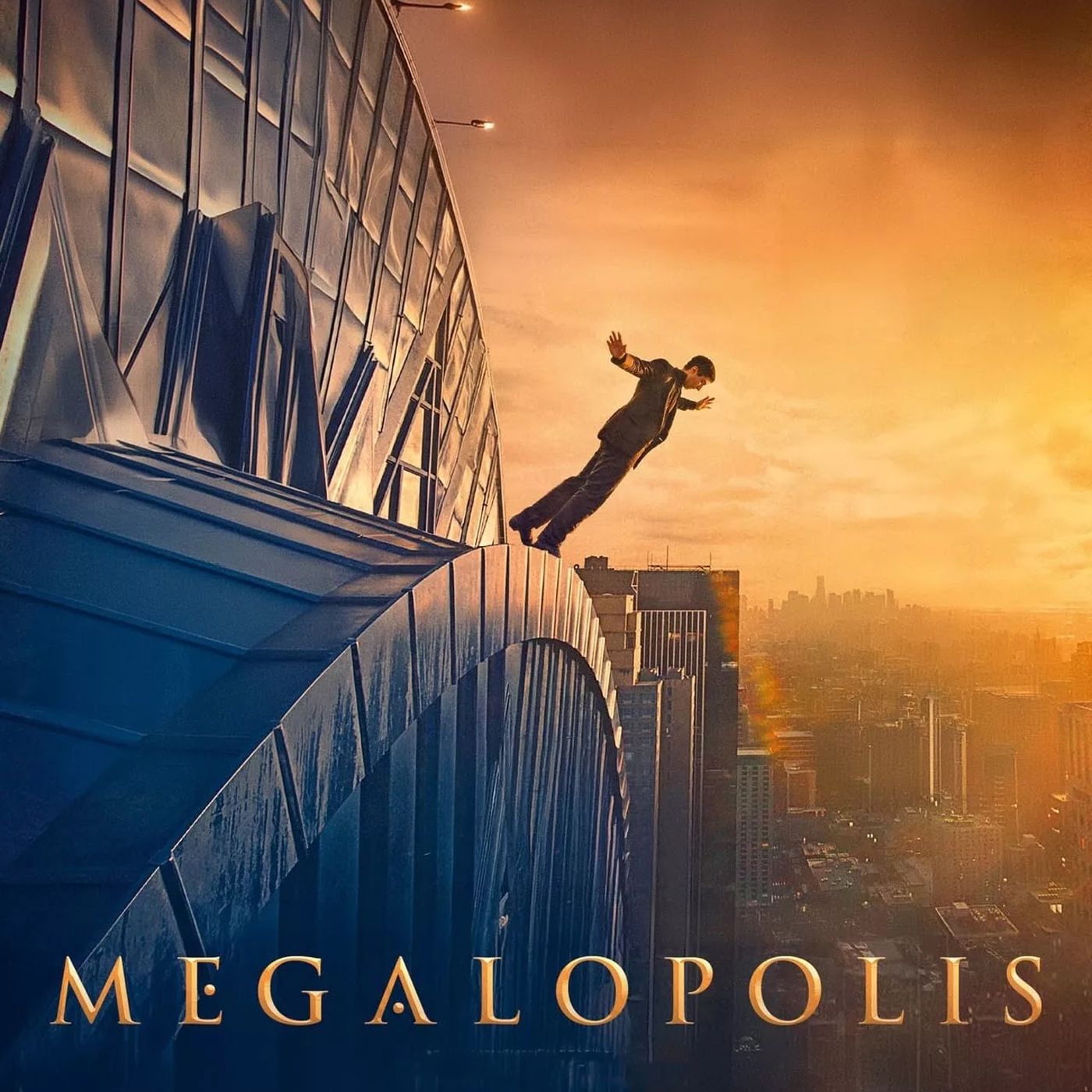
Mike Thompson and Rob St. Mary join Mike to step into the rubble, rhetoric, and Roman cosplay of Megalopolis, Francis Ford Coppola’s self-financed, forty-years-in-the-making cinematic fever dream. A film obsessed with power, legacy, architecture, and Great Men Thinking Great Thoughts, Megalopolis feels less like a movie than a manifesto—one that demands to be taken seriously while daring you to laugh at it. Cesar Catalina (Adam Driver), the troubled genius nobody appreciates (write what you know, Francis), strides through a New Rome built on vibes, speeches, and a miracle substance called Megalon. The episode also explores Megadoc, Mike Figgis’s fly-on-the-wall documentary which attempts to chronicle the chaos, conviction, and sheer force of will behind Coppola’s production. Seen together, the film and the documentary form a portrait of an artist betting everything—money, reputation, legacy—on a single idea. Love it, hate it, or remain profoundly confused by it, Megalopolis refuses to be ignored. And once it gets into your head, it doesn’t leave.Become a supporter of this podcast: https://www.spreaker.com/podcast/the-projection-booth-podcast--5513239/support.Become a supporter of The Projection Booth at http://www.patreon.com/projectionbooth
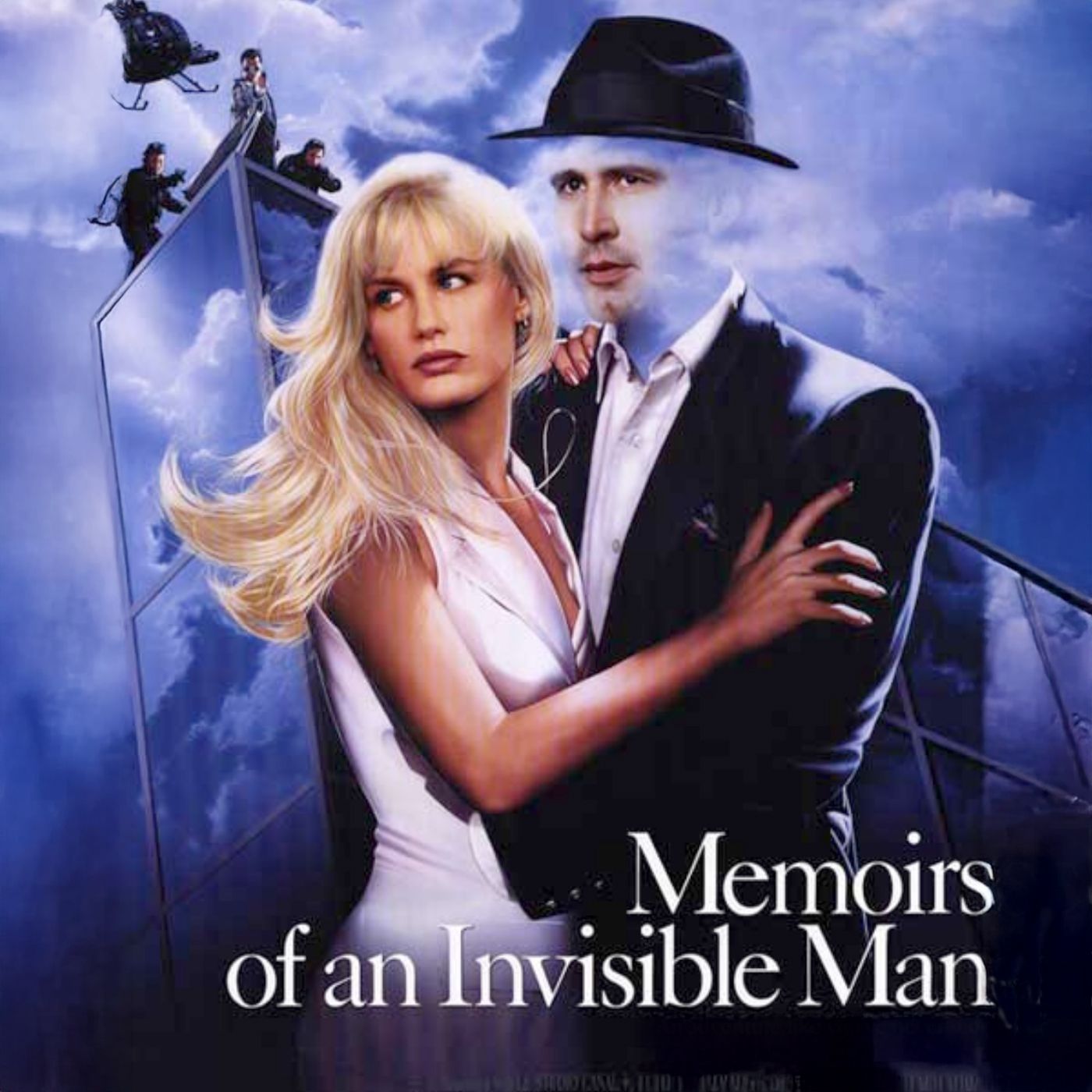
If you're not listening to the Chasing Chevy Chase podcast, here's an episode to whet your appetite... Chevy Chase takes an unexpected turn into sci-fi thriller territory with Memoirs of an Invisible Man (1992). Directed by John Carpenter and adapted from H.F. Saint’s novel, the film follows Nick Halloway (Chase), who becomes invisible after a freak laboratory accident. As he grapples with the perks and pitfalls of invisibility, he also tries to evade ruthless CIA operative David Jenkins (Sam Neill) and connect with Alice Monroe (Daryl Hannah). It’s an ambitious mash-up of comedy, romance, and paranoia that didn’t quite land with audiences or critics at the time but remains one of the oddest entries in Chase’s career. Mike, Mark, and Chris break down the film’s tonal shifts, behind-the-scenes clashes, and its place in both Chase’s and Carpenter’s filmographies.Visit http://www.chasingchevypodcast.com for more... Become a supporter of this podcast: https://www.spreaker.com/podcast/the-projection-booth-podcast--5513239/support.Become a supporter of The Projection Booth at http://www.patreon.com/projectionbooth
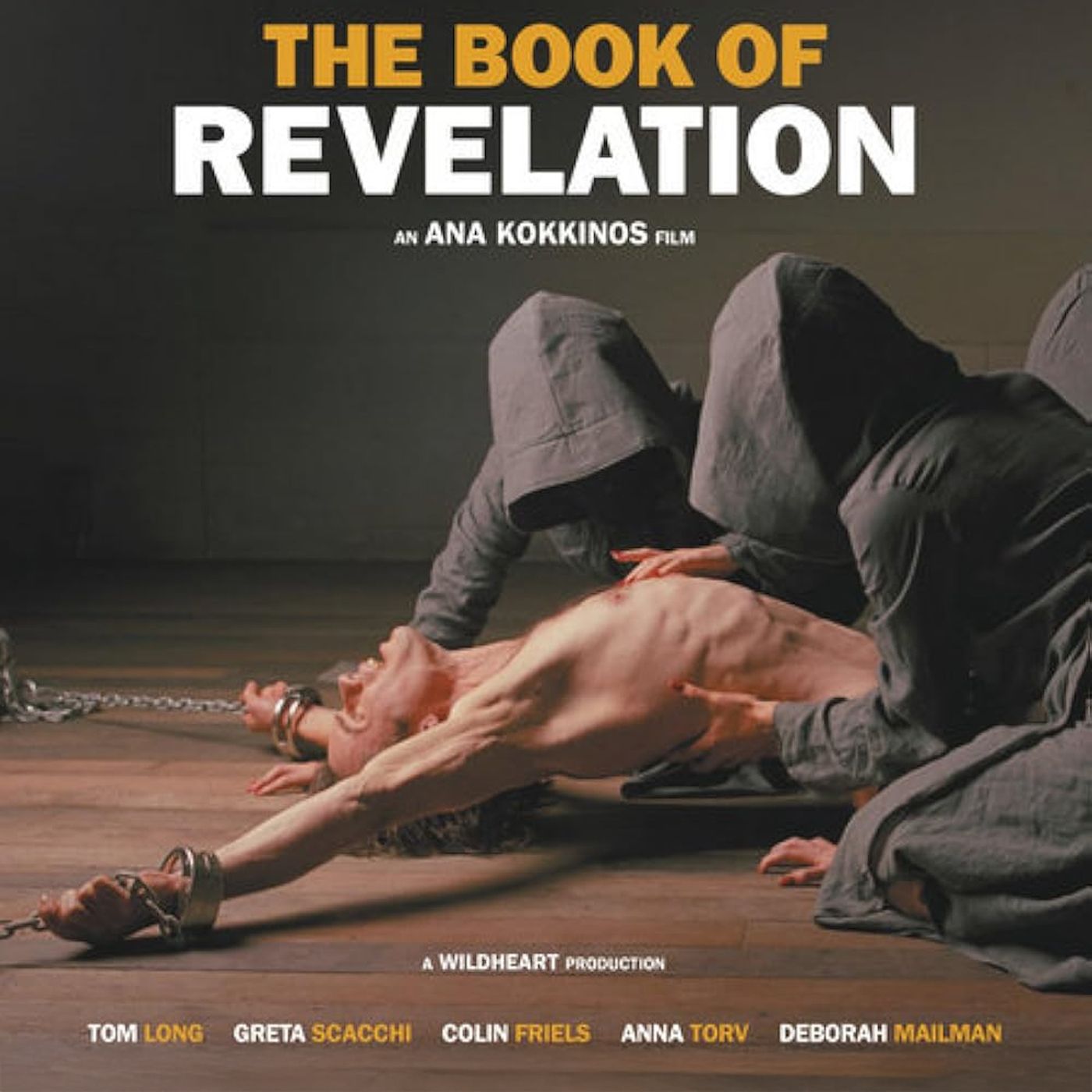
Spencer Parsons and Rob St. Mary join Mike to unpack Ana Kokkinos’s unflinching 2006 adaptation of Rupert Thomson’s novel. The Book of Revelation, a film that refuses easy provocation, using intimacy, trauma, and performance as tools for something far more unsettling.The story follows Daniel (Tom Long), a dancer who vanishes during a mundane errand for his girlfriend Bridget (Anna Torv). What initially plays as a mystery gradually reveals itself as a confrontation with sexual violence, shame, and the long aftermath of violation—rendered without sensationalism and without moral shortcuts.Mike also sits down with director Ana Kokkinos to discuss the making of the film, her approach to depicting male sexual assault, and her insistence on pushing past eroticism toward emotional truth. The conversation explores how The Book of Revelation challenges audience expectations, destabilizes gendered narratives of victimhood, and stands as one of the most difficult—and necessary—Australian films of its era.This episode wrestles with discomfort, representation, and empathy, asking what it really means when cinema turns its gaze on trauma.Become a supporter of this podcast: https://www.spreaker.com/podcast/the-projection-booth-podcast--5513239/support.Become a supporter of The Projection Booth at http://www.patreon.com/projectionbooth
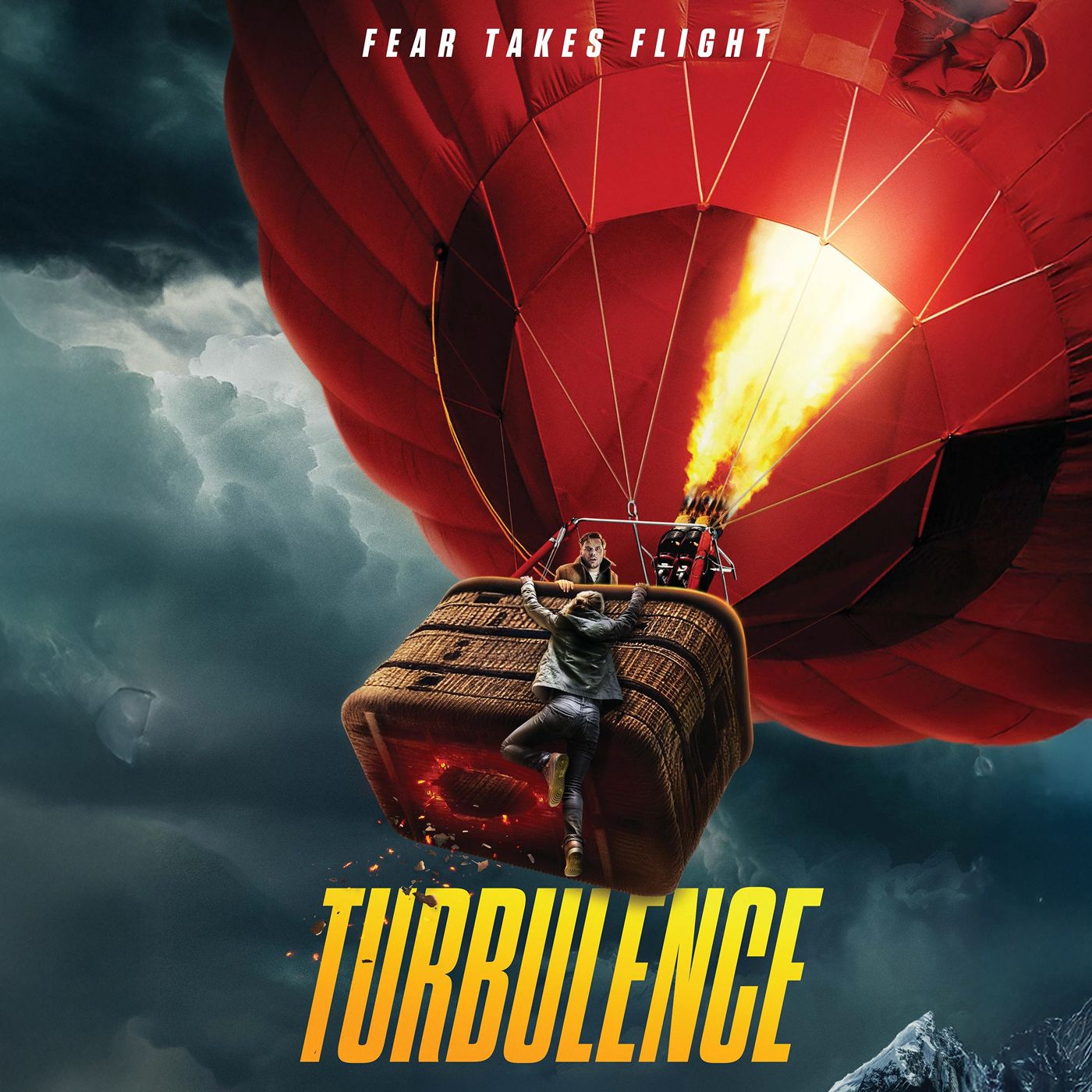
Mike talks with director Claudio Fäh about Turbulence (2025), a tightly constructed thriller set almost entirely in the air. Fäh discusses the film’s development, the practical challenges of staging action in a confined space, and the decisions behind its restrained visual style and controlled pacing.Become a supporter of this podcast: https://www.spreaker.com/podcast/the-projection-booth-podcast--5513239/support.Become a supporter of The Projection Booth at http://www.patreon.com/projectionbooth
Radley Metzger pushes the boundaries of erotic cinema with The Image (1975), a film that treats desire as ritual, performance, and provocation. Adapted from the infamous novel by Catherine Robbe-Grillet—writing under the name Jean de Berg—the film unfolds as a stylized confession. Carl Parker plays Jean, the author surrogate recounting a charged encounter with his estranged friend Claire (Marilyn Roberts) and the young woman who becomes the focus of his controlled cruelties, Anne (Mary Mendum).Joining Mike are Jessica Shires and Heather Drain, as the conversation situates The Image alongside Metzger’s other works and within a broader lineage of European erotic literature and BDSM aesthetics. The episode interrogates authorship, consent, power, and the uneasy space between fantasy and autobiography that defines Robbe-Grillet’s writing and Metzger’s adaptation.Interviews with Rob King, author of Man of Taste: The Erotic Cinema of Radley Metzger, and filmmaker Lina Mannheimer (La Cérémonie) expand the discussion, connecting The Image to questions of female authorship and the gaze.Become a supporter of this podcast: https://www.spreaker.com/podcast/the-projection-booth-podcast--5513239/support.Become a supporter of The Projection Booth at http://www.patreon.com/projectionbooth
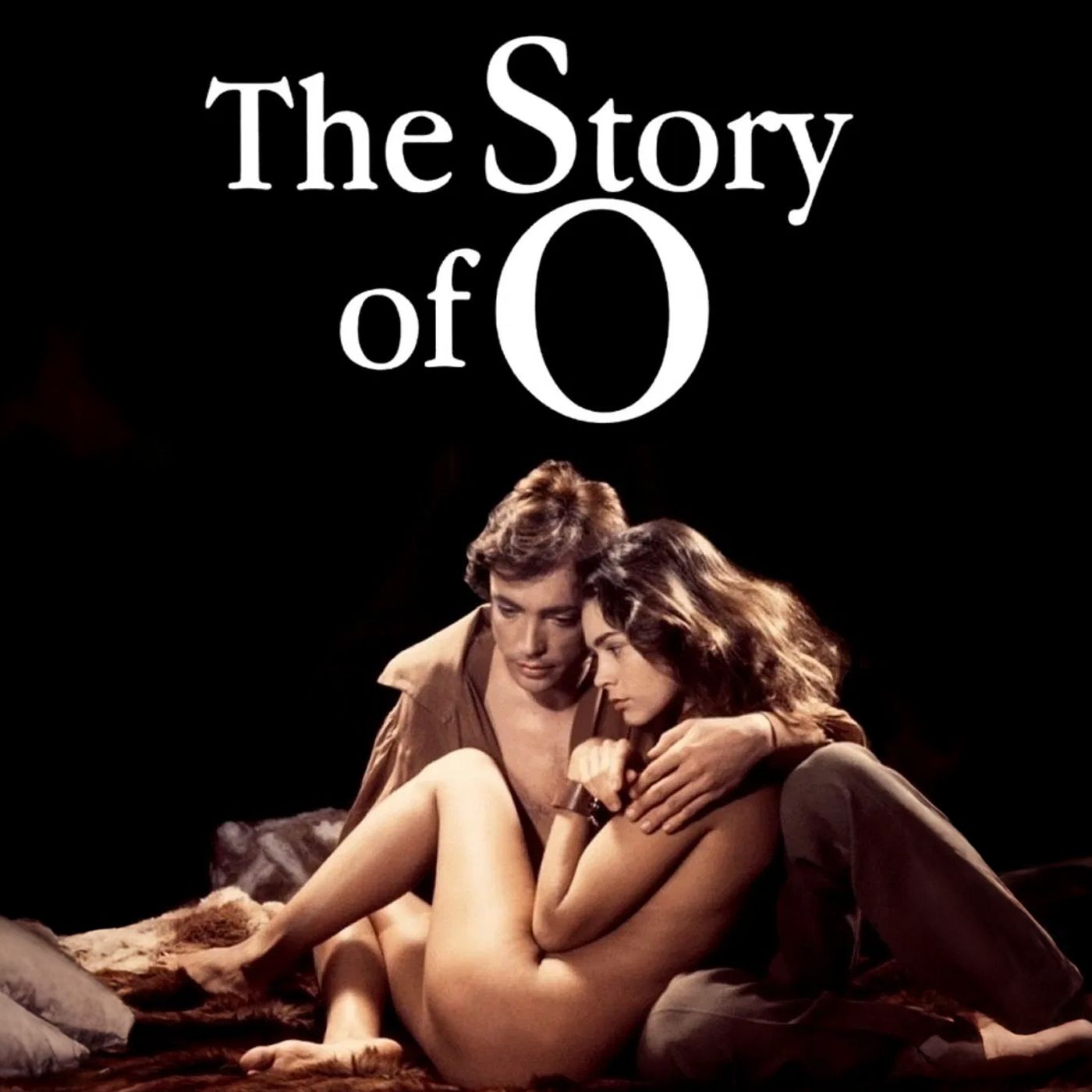
Jessica Shires and Samm Deighan join Mike for a deep, unflinching look at Just Jaeckin’s The Story of O (1975), the adaptation of Pauline Réage’s notorious novel. Corinne Cléry embodies O with startling vulnerability as she’s led by her lover René (Udo Kier) into the secretive Chateau at Roissy—an isolated world of ritual, discipline, and erotic power exchange.The conversation opens up the film’s legacy, its aesthetics, and its complicated relationship to the source text’s authorship and mythology. The episode also features two illuminating interviews: Pola Rapaport, director of The Writer of O, discusses the real story behind Dominique Aury and the creation of the literary sensation; and Maya Gallus, director of Erotica: A Journey Into Female Sexuality (1997), explores the film’s place in a broader lineage of women’s erotic expression, taboo-breaking, and cinematic desire.Become a supporter of this podcast: https://www.spreaker.com/podcast/the-projection-booth-podcast--5513239/support.Become a supporter of The Projection Booth at http://www.patreon.com/projectionbooth
Stuart “Feedback” Andrews never whispered his opinions — he weaponized them. The longtime Rue Morgue Radio rabble-rouser and Cinephobia Radio agitator carved out a cult legacy with his mercurial personality, meticulous audio collages, and an manical belief that cinema deserved passion, noise, and occasionally a little chaos.Mike revisits one of Stuart’s deep dives: “Jungle Gate,” a two-part Cinephobia takedown of the marketing circus surrounding Eli Roth’s The Green Inferno and Knock Knock. The original broadcasts unraveled into sprawling tangents and media theory rants, so Mike presents a cut Stuart would absolutely hate — a leaner, sharper, “Feedback-but-Edited” version that preserves the spirit while cutting through the brush a bit. Before that, Mike shares personal stories of Stuart’s impact on horror media, the lost recordings that vanished into the void, the wild highs and combustible lows, and the legacy of a critic who could never stop stirring the pot. It’s messy, loud, obsessive, uncompromising, and fittingly infuriating — exactly the way he liked it.Become a supporter of this podcast: https://www.spreaker.com/podcast/the-projection-booth-podcast--5513239/support.Become a supporter of The Projection Booth at http://www.patreon.com/projectionbooth
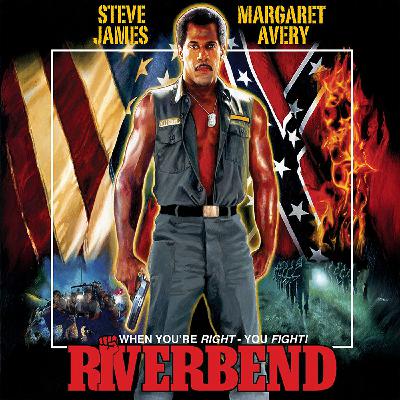
Mike talks with director Sam Firstenberg and Reelblack founder Michael J. Dennis about Riverbend (1989). The discussion examines the film’s production, its depiction of racism in the Jim Crow South, and its unusual release history. Firstenberg reflects on working with Steve James, Larry Dobkin, and Margaret Avery, while Dennis provides broader context on the film’s place within independent Black cinema. The conversation also touches on the politics surrounding Riverbend, its themes, and how the film has been received over time.Find out more at https://www.reelblack.com/Become a supporter of this podcast: https://www.spreaker.com/podcast/the-projection-booth-podcast--5513239/support.Become a supporter of The Projection Booth at http://www.patreon.com/projectionbooth
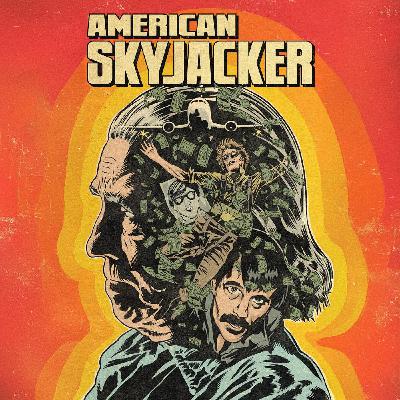
Mike talks with Eli Kooris and Martin “Mac” McNally about American Skyjacker (2025). The conversation covers the film’s examination of McNally’s 1972 airplane hijacking, his motivations, and the events that followed. Kooris discusses the project’s development and the process of working with archival material, law-enforcement records, and McNally’s own accounts. McNally reflects on the choices he made, the consequences he faced, and how revisiting the story for the documentary differs from living through it. The discussion also addresses the film’s structure, its approach to historical context, and the broader landscape of hijacking cases from the era.Find out more at https://www.americanskyjacker.com/Become a supporter of this podcast: https://www.spreaker.com/podcast/the-projection-booth-podcast--5513239/support.Become a supporter of The Projection Booth at http://www.patreon.com/projectionbooth
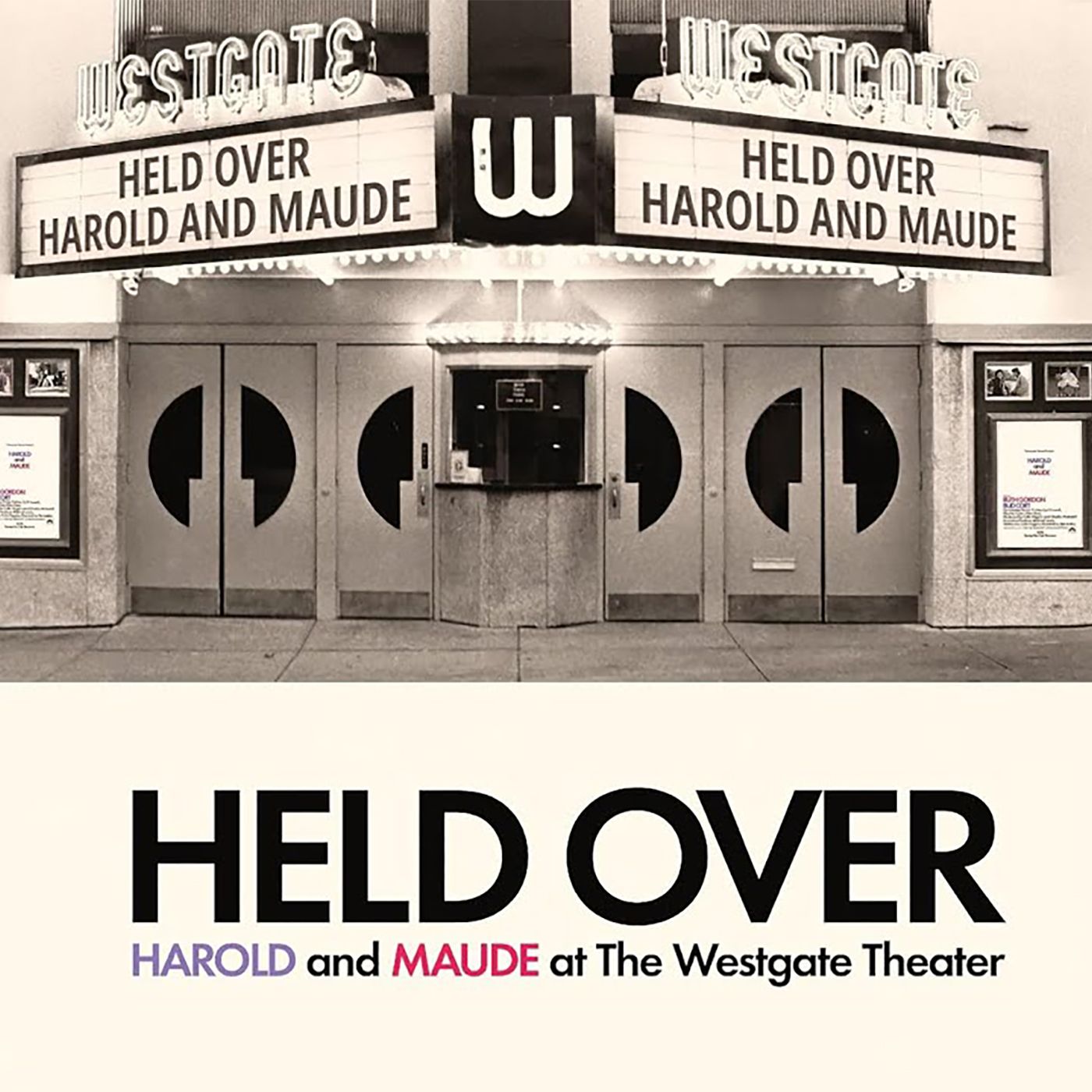
Mike talks with author and filmmaker John Gaspard about Held Over (2025). They discuss the book’s focus on theatrical exhibition history, the practice of long-running engagements, and the logistics and economics that kept certain films in theaters for extended periods. Gaspard outlines the interviews and research that shaped the project and explains why Harold and Maude became a central case study, noting how its slow-building audience, regional rollouts, and unexpected longevity helped define the book’s larger story about how movies find their viewers. The conversation also covers broader changes in moviegoing culture and exhibition practices over time.Order at https://amzn.to/489C9Y1Become a supporter of this podcast: https://www.spreaker.com/podcast/the-projection-booth-podcast--5513239/support.Become a supporter of The Projection Booth at http://www.patreon.com/projectionbooth
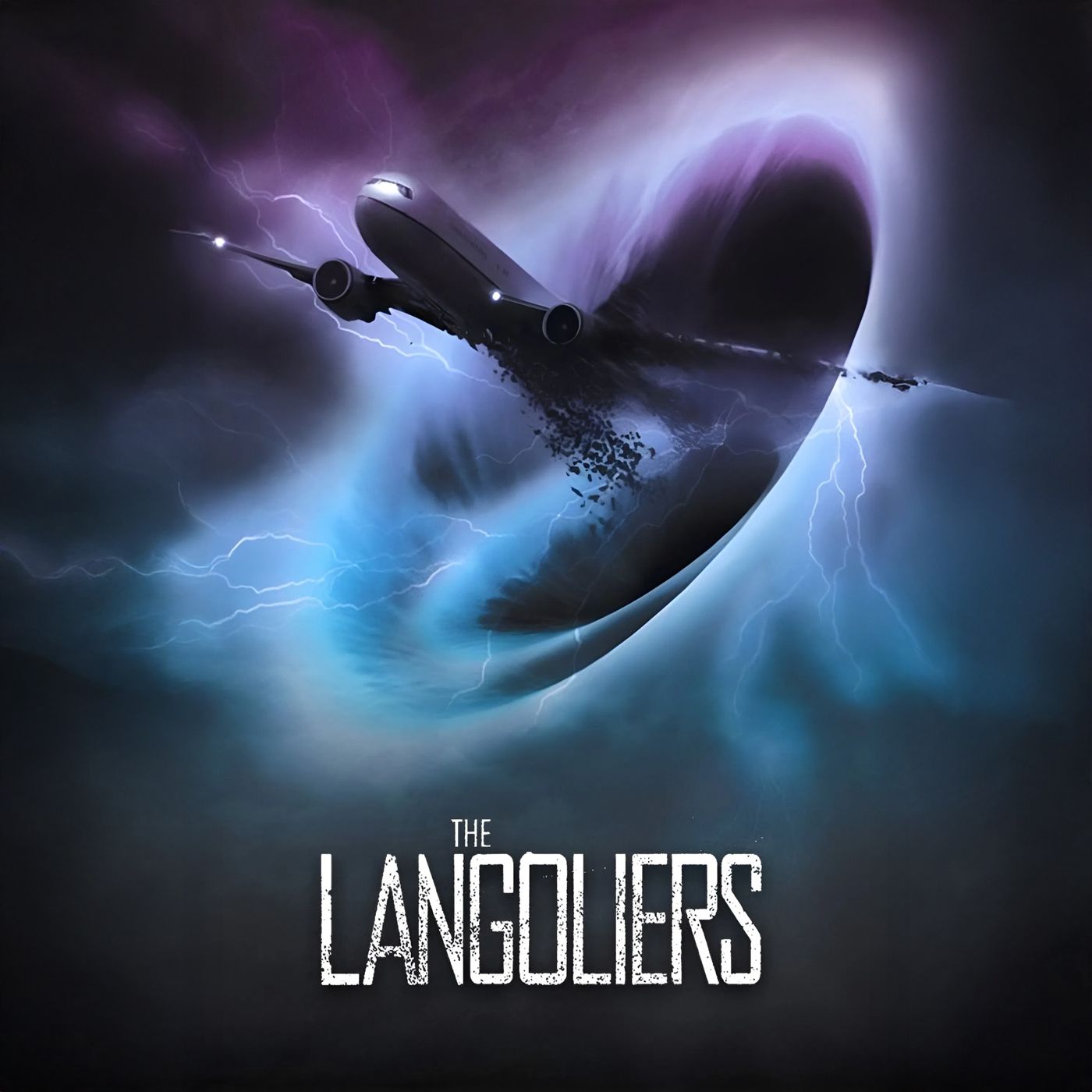
The Langoliers. Adapted from the Stephen King novella and directed by Tom Holland, the production follows a group of passengers on a redeye flight from Los Angeles to Boston who awaken to find most of the plane’s occupants gone and reality behaving in unfamiliar ways. The episode examines the story’s structure, the performances by David Morse, Bronson Pinchot, and the ensemble cast, and the miniseries’ place within 1990s television.The conversation also includes interviews with writer-director Tom Holland and Aristotelis Maragkos, whose film The Timekeepers of Eternity reconstructs The Langoliers into a monochrome, collage-style reinterpretation. They discuss the original production, the process behind Maragkos’s adaptation, and how the two works speak to each other across different formats and eras.Become a supporter of this podcast: https://www.spreaker.com/podcast/the-projection-booth-podcast--5513239/support.Become a supporter of The Projection Booth at http://www.patreon.com/projectionbooth
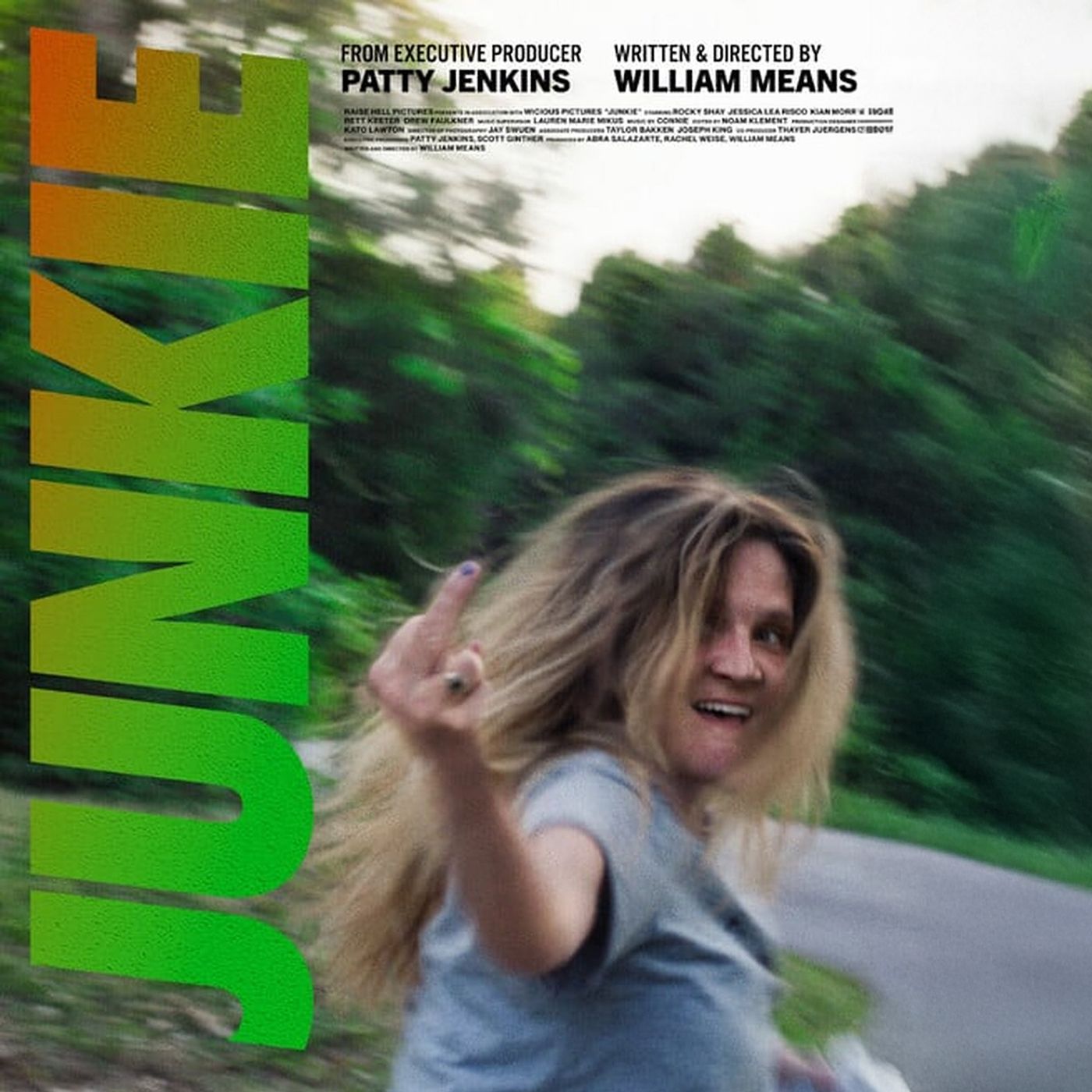
Mike speaks with writer/director William Means and actress Rocky Shay and about their 2025 feature Junkie. The conversation covers the film’s development, its focus on addiction and recovery, and the production choices that shaped its grounded approach. Shay and Means discuss the project’s evolution, the performances at the center of the story, and the film’s path through the festival circuit.Follow Will at https://www.instagram.com/rill.means/ Become a supporter of this podcast: https://www.spreaker.com/podcast/the-projection-booth-podcast--5513239/support.Become a supporter of The Projection Booth at http://www.patreon.com/projectionbooth
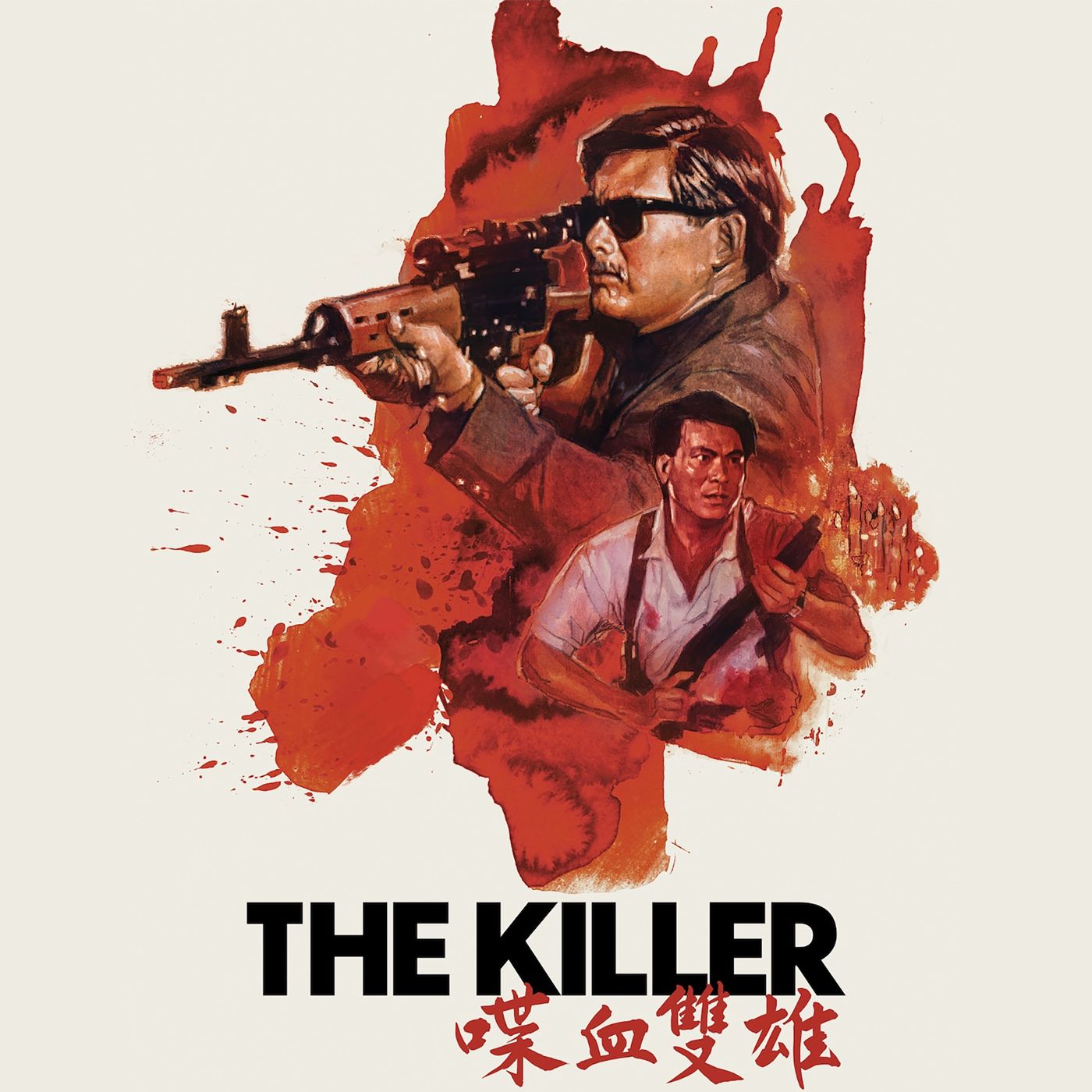
Carol Borden and Jackie Stargrove join Mike for a double-barreled deep dive into John Woo’s The Killer — both the 1989 Hong Kong classic and Woo’s own 2024 reimagining. They revisit the operatic gunfights, moral codes, and aching "bromance" that made The Killer a cornerstone of the “heroic bloodshed” genre, tracing its influence from Le Samouraï to Hard Boiled to the present day. Along the way, they take a detour through Hum Hain Bemisaal (1994), Bollywood’s gloriously unauthorized remake, and consider how Woo’s new vision reframes his mythic tale for a world that’s changed as much as cinema itself.Become a supporter of this podcast: https://www.spreaker.com/podcast/the-projection-booth-podcast--5513239/support.Become a supporter of The Projection Booth at http://www.patreon.com/projectionbooth
The Projection Booth pulls back the curtain on Paul Greengrass’s The Lost Bus (2025), a tense, docu-style thriller that pushes real-world chaos right to the edge of the frame. Mike sits down with special effects coordinator Brandon K. McLaughlin, whose practical wizardry gives the film its authenticity. They dig into orchestrating high-stakes set pieces, blending practical work with digital augmentation, and engineering Greengrass’s signature controlled mayhem without ever losing sight of character and story.Become a supporter of this podcast: https://www.spreaker.com/podcast/the-projection-booth-podcast--5513239/support.Become a supporter of The Projection Booth at http://www.patreon.com/projectionbooth
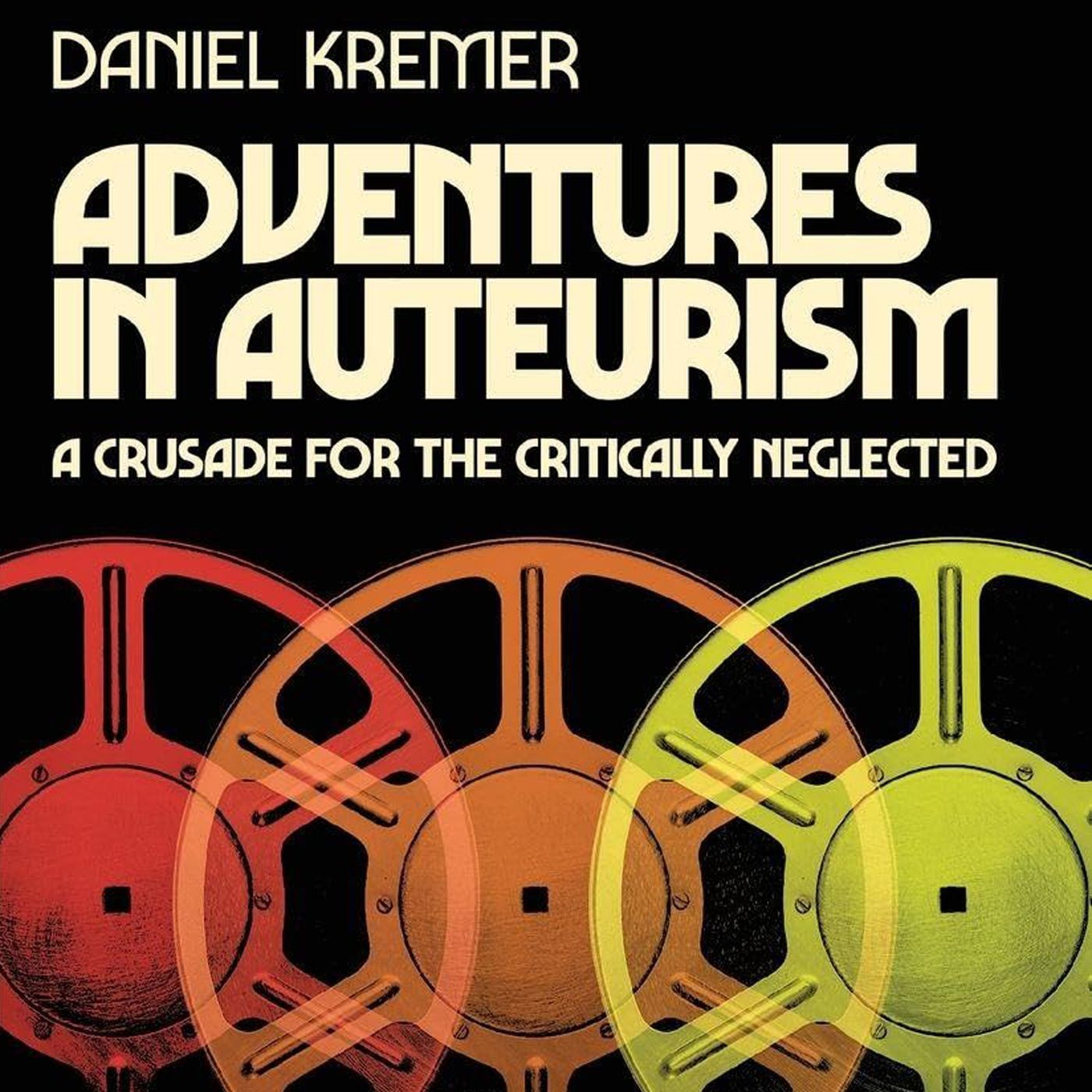
Daniel Kremer returns to The Projection Booth with an irresistible double feature of cinephile obsession. Mike dives into Cruel, Usual, Necessary: The Passion of Silvio Narizzano (2024), Kremer’s exhaustive and heartfelt documentary about the fiercely talented, too-often disregarded director behind Georgy Girl, Loot, and Why Shoot the Teacher? Kremer lays out the decades-long fascination that fueled his mission to rescue Narizzano’s reputation from footnotes and dismissals.The conversation then shifts to Kremer’s new book, Adventures in Auteurism: A Crusade for the Critically Neglected, a bold, deeply researched celebration of filmmakers who never got their due. He and Mike dig into the joys of critical excavation, the thrills of uncovering overlooked filmographies, and the fight to keep forgotten artists visible. If you love cinematic passion projects, archival detective work, and spirited defenses of the undervalued, this one’s a feast.Become a supporter of this podcast: https://www.spreaker.com/podcast/the-projection-booth-podcast--5513239/support.Become a supporter of The Projection Booth at http://www.patreon.com/projectionbooth
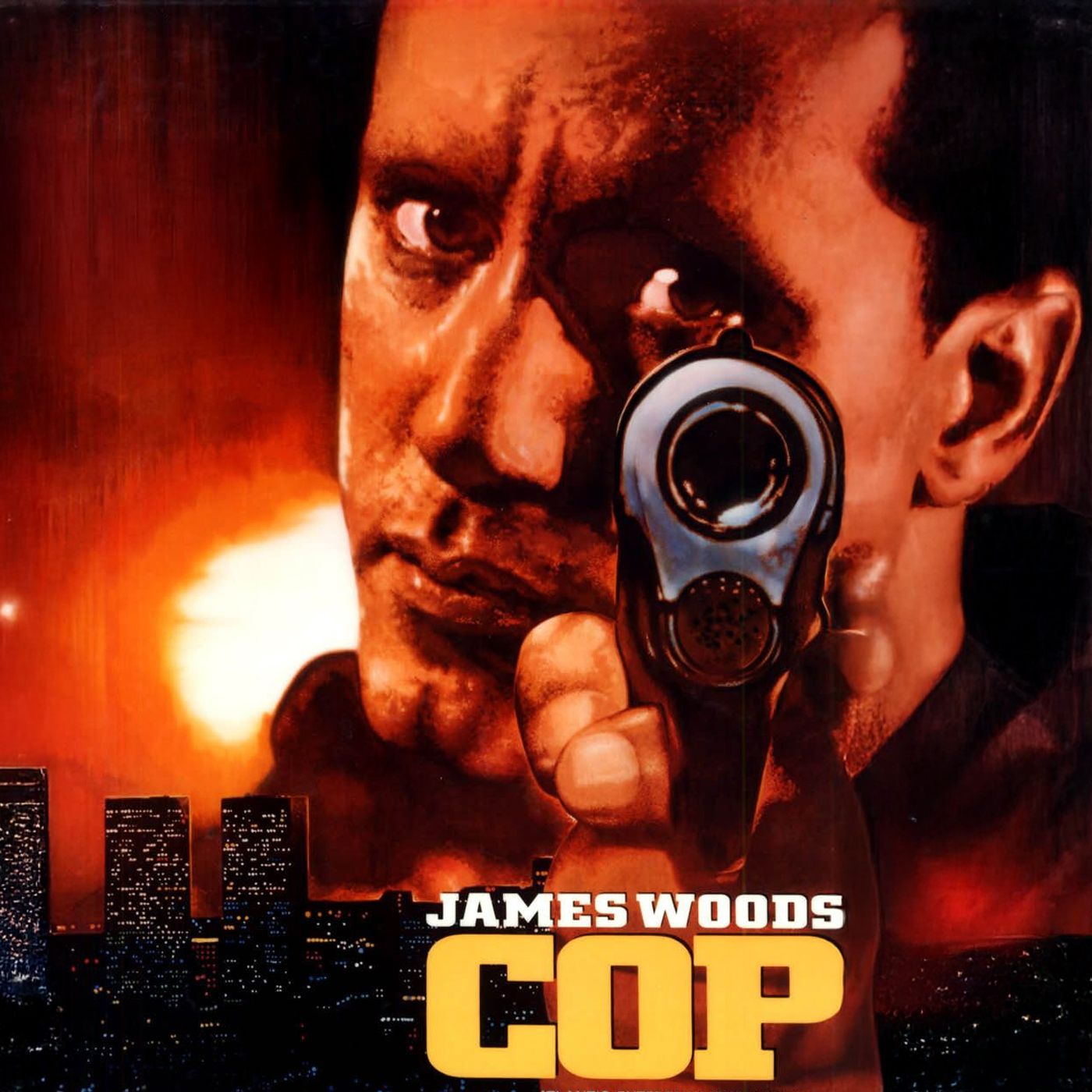
Noirvember closes with James B. Harris’s Cop (1988)—the first time James Ellroy’s feverish fiction hit the big screen. Mike teams with Andrew Nette and Rod Lott for a deep read of Harris’s adaptation, where James Woods’s unhinged Detective Lloyd Hopkins hunts a killer across eighteen years of buried violence.The trio digs into Ellroy’s original novel Blood on the Moon and the wilder, abandoned incarnation that came before it—L.A. Death Trip, the unsold, manuscript that first birthed Hopkins. Using material from Ellroy’s own accounts and critical studies (including the brute-force early drafts, the rewrites demanded by Otto Penzler and Nat Sobel, and the shift to publishable structure), the conversation maps how a doomed finale turned into a tight serial-killer pursuit.The episode also features a new interview with James B. Harris, who breaks down the challenges of translating Ellroy’s structure, keeping Hopkins’s mania intact, and staying faithful to the narrative rhythms of the novel. What emerges is a portrait of a filmmaker wrestling with source material born in chaos—reforged into the dark, abrasive thriller that helped spark decades of Ellroy adaptations.Become a supporter of this podcast: https://www.spreaker.com/podcast/the-projection-booth-podcast--5513239/support.Become a supporter of The Projection Booth at http://www.patreon.com/projectionbooth
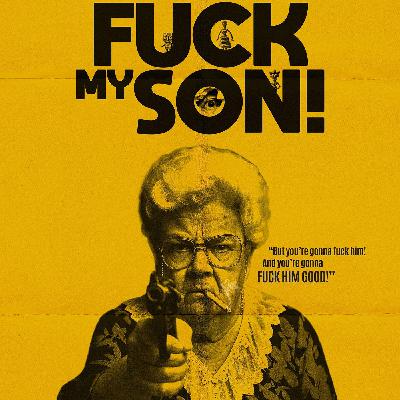
Mike talks with filmmaker Todd Rohal in a lively, no-holds-barred tour through one of the most delightfully unclassifiable careers in American indie cinema. From Knuckleface Jones to The Catechism Cataclysm, Rohal has carved out a lane where misfits, surreal detours, and emotional gut-punches live side-by-side.The conversation zeroes in on F*** My Son (2025), his bold and darkly comic new feature that pushes his sensibilities into feral, confrontational territory. Rohal talks process, chaos, collaboration, and why he wants to work in a hardware store.Become a supporter of this podcast: https://www.spreaker.com/podcast/the-projection-booth-podcast--5513239/support.Become a supporter of The Projection Booth at http://www.patreon.com/projectionbooth
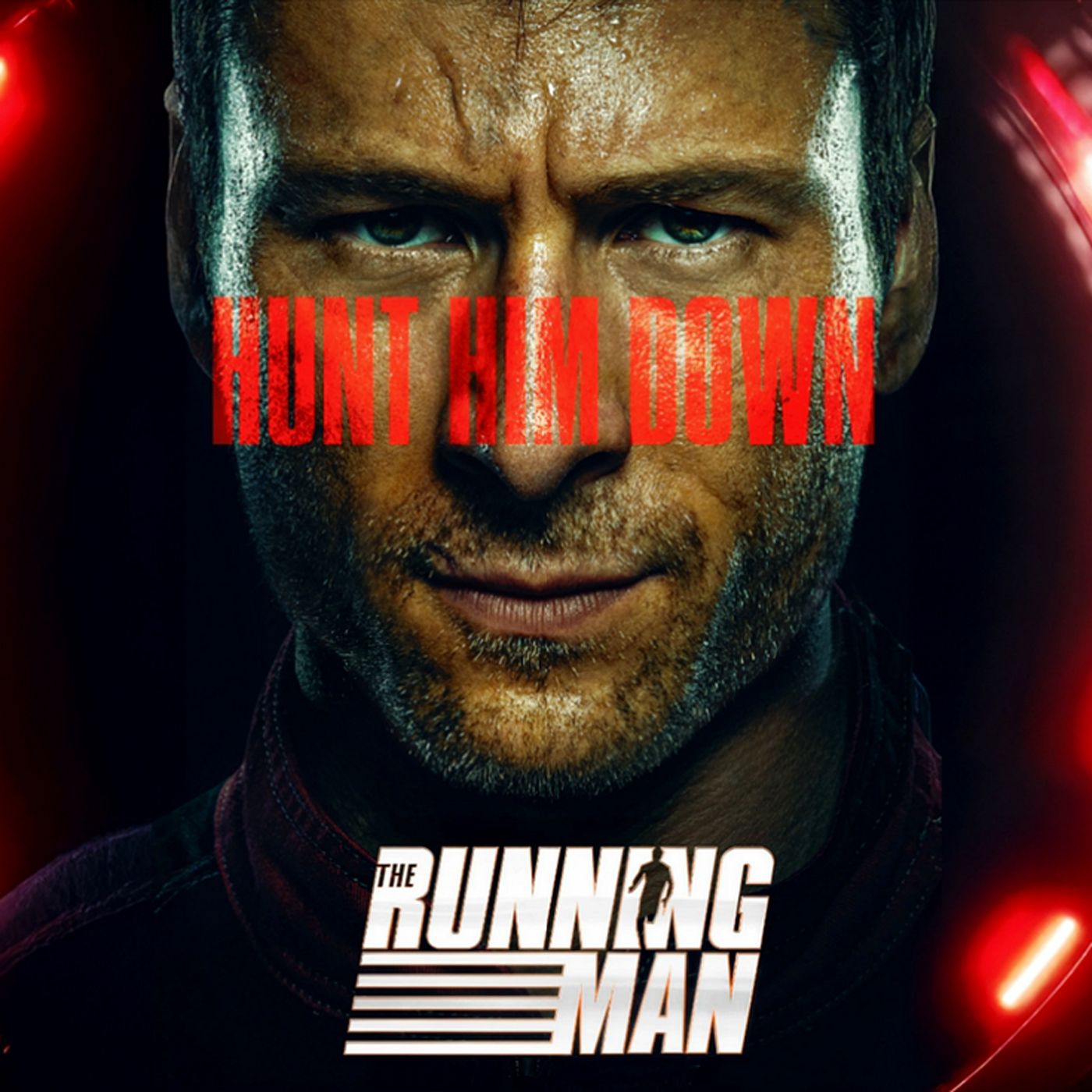
The Projection Booth enters Edgar Wright territory with a deep dive into The Running Man (2025), his audacious adaptation of the dystopian classic. Mike teams up with Midnight Viewing’s own Father Malone to break down Wright’s maximalist world-building, razor-cut action choreography, and the film’s commentary on media spectacle and state-manufactured violence.Become a supporter of this podcast: https://www.spreaker.com/podcast/the-projection-booth-podcast--5513239/support.Become a supporter of The Projection Booth at http://www.patreon.com/projectionbooth
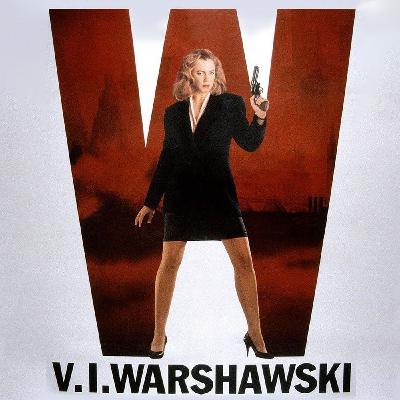
Noirvember 2025 keeps rolling as Mike teams up with author Dahlia Schweitzer and artist Rahne Alexander to crack open V.I. Warshawski (1991), Jeff Kanew’s glossy, big-city take on Sara Paretsky’s groundbreaking detective. Kathleen Turner commands the screen as V.I., whose night on the town swerves into murder, a dead former Blackhawks star, and a teenager who refuses to stay out of danger.This episode brings together an incredible lineup: Sara Paretsky, creator of the V.I. Warshawski novels; screenwriters David Aaron Cohen, Nick Thiel, and Warren Leight; and director Jeff Kanew. They share the inside story of adapting an iconic literary detective, shaping Turner’s formidable on-screen persona, and navigating the film’s winding path from page to screen.Along the way, we dig into Chicago’s cinematic grit, the film’s place in early-’90s studio genre filmmaking, and—yes—we spoil who killed Boom Boom and finally reveal what the initials V. I. actually stand for.Become a supporter of this podcast: https://www.spreaker.com/podcast/the-projection-booth-podcast--5513239/support.Become a supporter of The Projection Booth at http://www.patreon.com/projectionbooth
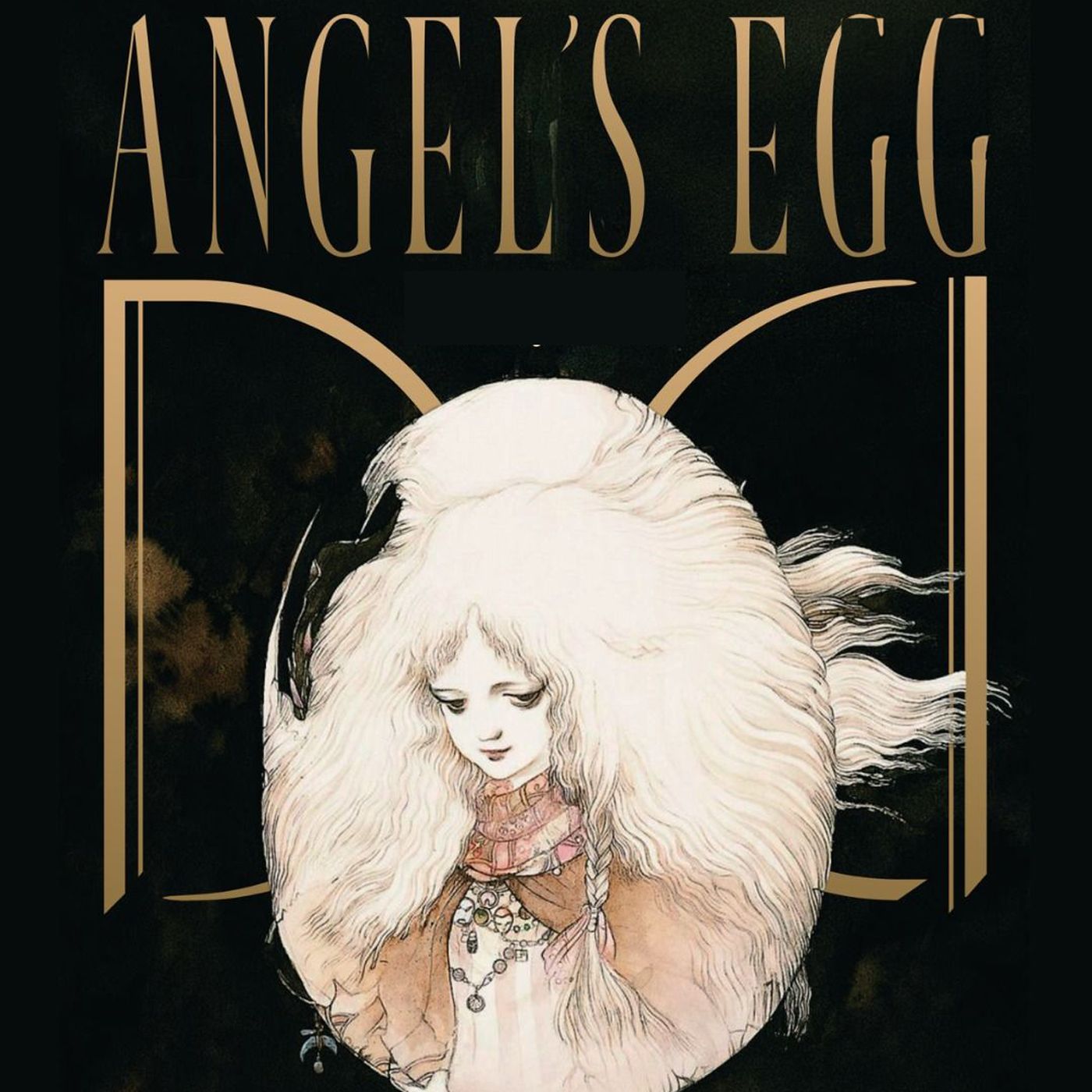
Mike talks with cultural critic Dan Schindel and Lyle Zanca of GKIDS to discuss Mamoru Oshii’s 1985 anime film, Angel’s Egg (AKA Tenshi no Tamago), a gorgeous lyrical film about spiritualism and redemption. The film has been recently restored and given a 4K scan that will be screened across the U.S. starting November 19, 2025. Check local listings and be on the lookout for the upcoming Blu-Ray release.Become a supporter of this podcast: https://www.spreaker.com/podcast/the-projection-booth-podcast--5513239/support.Become a supporter of The Projection Booth at http://www.patreon.com/projectionbooth


Download from Google Play

Download from App Store
 United States
*Discussion
The topless horse woman not sexy? Guess you're more of a May guy.
are they serious with the ad breaks?
This is a fantastic walk through of the film Wolfen, and some of those involved in the production. I remember when the film was released, and how it was promoted that gave the feeling of it being more of a urban horror film. When it was finally released on VHS I was able to convince my parents to rent it i was able to finally see it. At the time I was not able to follow the story and only found interest in the character played by Albert Finney. His strange presence on the screen throughout, eating cookies in the morgue, his accent and stone faced facade was the one thing I found disturbing. I recall liking the film, but not knowing why. After listening to your episode my appreciation for the film has grown immensely. Excellent handling of this film in your podcast.
I love this film, but it's ruined when a bunch of useless worthless leftists are whining about how easy it is to get guns in America. I used to like all the research that went into PB episodes. Clearly, you are part of the problem. Brace yourself. It's going to a whole lot worse for you leftists.