


 Claim Ownership
The Global Story
Subscribed: 335,833Played: 5,418,858
Subscribe

© (C) BBC 2025
Description
Where the world and America meet, with episodes each weekday. The world is changing. Decisions made in the US and by the second Trump administration are accelerating that change. But they are also a symptom of it. With Asma Khalid in DC, Tristan Redman in London, and the backing of the BBC’s international newsroom, The Global Story brings clarity to politics, business and foreign policy in a time of connection and disruption.
457 Episodes
Reverse

We are away for Christmas, so this is a repeat of a previous episode. In 1994, Ukraine surrendered the world's third-largest nuclear arsenal, inherited from the collapsed Soviet Union, in exchange for security assurances from the US, Russia, and the UK. Ukraine’s denuclearisation is often considered a huge success story in nuclear non-proliferation, but in retrospect, it may have paved the way for Putin's 2022 invasion. As talk of US-European security guarantees for Ukraine resurfaces in the context of tentative Russia-Ukraine peace talks, we speak with BBC Paris correspondent Andrew Harding about the history of the 1994 agreement, and consider whether Ukraine would ever again believe promises made to protect it. Producers: Sam Chantarasak and Xandra Ellin Executive producer: Annie Brown Mix: Travis Evans Senior news editor: China Collins
Photo: France's President Emmanuel Macron and Ukraine's President Volodymyr Zelensky. Ludovic Marin/ Getty

 1
1We are away for Christmas, so this is a repeat of a previous episode. Apple is promising to make more products in the US, backed by a $600bn investment over the next four years. But after decades of relying on Chinese manufacturing that promise is going to be tough to keep. Today we’re joined by journalist and author Patrick McGee to discuss whether Apple can navigate the demands of Donald Trump’s America First agenda and disentangle itself from a made-in-China business model.
Producers: Hannah Moore and Aron Keller Executive producers: James Shield and Annie Brown Mix: Nicky Edwards and Travis Evans Senior news editor: China Collins
Photo: Apple CEO Tim Cook. Manuel Orbegozo/Reuters

We are away for Christmas, so this is a repeat of a previous episode. For much of the 21st century, our social lives have been shaped, at least in part, on the internet. But in an age of influencers, generative AI, complex algorithms, and politically entangled technocrats, some users say social media is growing less, well, social. So, is social media dead? Or is it just becoming something else? We speak with New Yorker staff writer Kyle Chayka about what happened to social networks, and what their transformation suggests about the future of media.
Producers: Xandra Ellin and Aron Keller Executive Producer: James Shield Mix: Travis Evans Senior News Editor: China Collins
Photo: Social media apps on a phone. Yui Mok/PA

We are away for Christmas, so this is a repeat of a previous episode. In September, President Trump and the U.S. Health Secretary Robert F. Kennedy Jr. held a press conference in which they made extraordinary new claims about autism. They suggested a potential link between the use of Tylenol during pregnancy and the development of autism. They also advocated spacing out childhood vaccinations.
The two men's interest in the link between vaccines and autism goes back decades but these claims did not originate in the US. They trace back to the UK in 1998, when disgraced former doctor Andrew Wakefield first published his now-debunked theory linking MMR vaccines to autism cases in children. The science journalist Adam Rutherford explains to the Global Story how the Wakefield vaccine conspiracy became the biggest medical disinformation disaster in recent history, and how these ideas found fertile ground in the Trump administration. Producers: Viv Jones, Valerio Esposito Executive producer: Annie Brown, James Shield Mix: Travis Evans Senior news editor: China Collins Photo: President Trump & Robert F. Kennedy Jr. Kevin Lamarque/Reuters
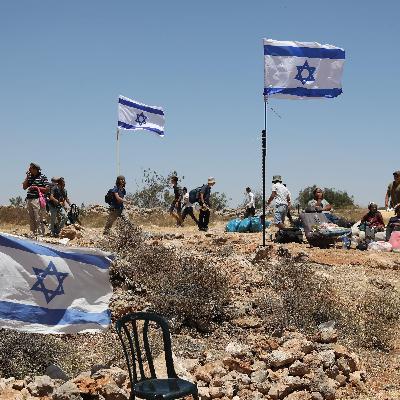
Attacks by Jewish settlers on Palestinians in the occupied West Bank have broken UN records this year, reaching the highest level in almost 20 years.Israel’s Prime Minister Benjamin Netanyahu has blamed a “minority” that “does not represent the large settler public”. Meanwhile, Israel’s security cabinet has just approved the recognition of 19 new settlements as the government continues its settlement expansion push.
We’re joined by the BBC’s Sarah Montague who has been speaking with Palestinians who say they are experiencing settler intimidation, and with a prominent settler who is a member of the Israeli parliament.
Producers: Viv Jones, Valerio Esposito and Xandra Ellin Executive Producer: Bridget Harney Mix: Marty Peralta Senior news editor: China Collins Photo: Israeli border police remove settlers near Hebron. Credit Abir Sultan/EPA-EFE/REX/Shutterstock.
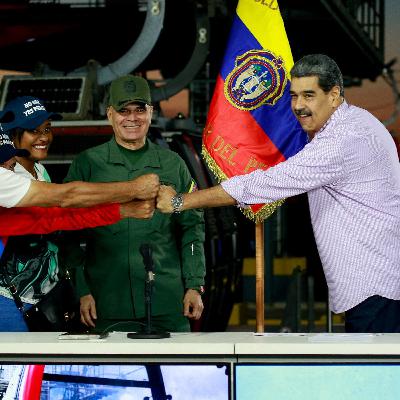
Tensions between the US and Venezuela are reaching a dangerous tipping point. The Trump administration has accused president Nicolas Maduro of leading a drug cartel and declared Maduro's government a “foreign terrorist organisation”. President Trump has also ordered a naval blockade of the country’s oil-sanctioned exports using what he calls “the largest ever armada assembled in the history of South America”.In today’s episode, we speak to BBC Mundo journalist, Jorge Perez Valeri to ask whether the escalating military rhetoric from Washington could be paving the way for war, and how Venezuelans, already grappling with deep economic hardship, are feeling about the prospect.
Producers: Sam Chantarasak, Lucy Pawle and Aron Keller.
Editor: Bridget Harney
Mix: Marty Peralta
Senior news editor: China Collins
Photo: Venezuela’s President Nicolas Maduro attends an event at the Mariche Metrocable station. Credit: Reuters.

The promise of pore-free, glassy, youthful-looking skin has made Korean beauty products a global phenomenon. Americans spent as much $1.7bn (£1.3bn) on K-beauty in 2024, according to industry estimates, and the US now imports more cosmetics from South Korea than any other country. How did the South Korean government help K-beauty ride the soft power wave that has also brought us TV shows like KPop Demon Hunters, and pop groups such as Blackpink and BTS? And what are the risks of buying into the ‘perfect’ beauty ideals that the industry promotes? Today, we speak to Elise Hu, the host of TED Daily Talks host and author of 'Flawless: Lessons in Looks and Culture from the K-Beauty Capital'. Producer: Hannah Moore Executive producer: Bridget Harney Mix: Marty Peralta Senior news editor: China CollinsPhoto: Model Lee Hyun-yi attends the photocall event celebrating the launch of AHC’s new product ‘Full Lift Eye Cream for Face’ at the FKI Tower Conference Center in Yeouido, Yeongdeungpo-gu. Credit: iMBC/Imazins via Getty Images.
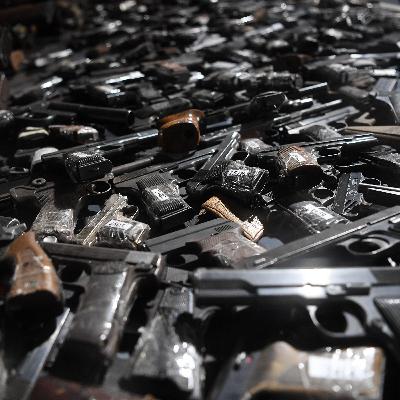
After the Port Arthur massacre in 1996, Australia tightened its gun laws, and has since been considered a world-leading example by gun control advocates of how to lessen the chances of mass shootings occurring. However, the mass murder of at least 15 people in an antisemitic attack at Bondi beach on Sunday has again raised the issue of gun access, and Australian prime minister Anthony Albanese has said he is “ready to fight” to strengthen the laws again. On today’s show, Ariel Bogle, an investigations reporter with Guardian Australia, explains why the number of guns in Australia has been rising, and how stricter laws might be received in the country. Producers: Hannah Moore and Xandra Ellin Executive producer: James Shield Mix: Marty Peralta Senior news editor: China CollinsPhoto: Photo of unregistered handguns that were returned to police, near Smederevo, Serbia. Credit: Dimitrije Goll /EPA-EFE/REX/Shutterstock
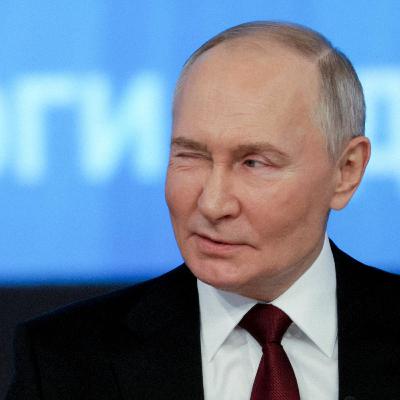
President Trump says a Ukraine peace deal is ‘closer than ever’ following talks in Berlin with European officials and a delegation from Ukraine. But is it? As the fourth anniversary of Russia's full scale invasion approaches, no peace deal can be agreed without Vladimir Putin’s support. Can he be persuaded to accept anything short of a Russian victory? We speak to the BBC’s Russia editor, Steve Rosenberg.Producers: Valerio Esposito, Viv Jones and Xandra Ellin.Executive producer: James Shield.Senior news editor: China Collins.Mix: Travis Evans.Photo: Russian President Vladimir Putin. Credit: Gavriil Grigorov/Sputnik/Pool via Reuters.
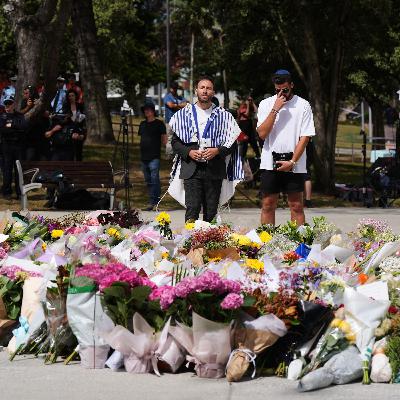
Australia is reeling after its deadliest mass shooting in decades, in which gunmen opened fire on Jewish people gathered for a Hanukkah event on Bondi Beach in Sydney. At least 16 people have been killed – among them a 10-year-old and a Holocaust survivor. The massacre has triggered a reckoning in Australia and beyond.While some are asking how this horror could have happened, others believe an attack like this was grimly inevitable after a string of antisemitic incidents in Australia in the past few years.
In today’s episode, we speak to the BBC’s Religion Editor Aleem Maqbool and the ABC’s Hamish Macdonald to explore why antisemitism has surged since October 7th 2023, and why many Jewish communities feel their governments aren’t doing enough to keep them safe. Producers: Cat Farnsworth and Lucy Pawle Mix: Travis Evans Senior news editor: China Collins Photo: Rabbi Yossi Freidman at a memorial for shooting victims at Sydney's Bondi Beach. Mark Baker /AP
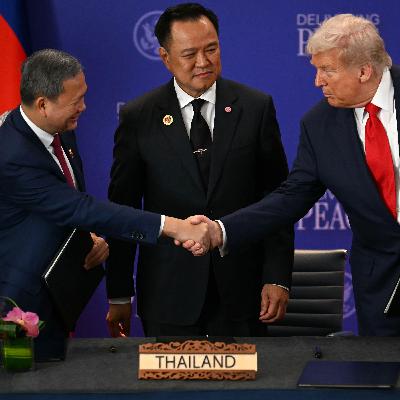
Fighting broke out last week on the Thai-Cambodian border, despite a US-brokered ceasefire in July. The conflict was one of the eight wars that President Trump claimed to have ended, so why did this peace deal unravel? We speak to Jonathan Head, the BBC’s southeast Asia correspondent, from Surin on the Thai side of the border.Producers: Xandra Ellin and Sam ChantarasakExecutive producer: Bridget HarneySenior news editor: China CollinsMix: Travis EvansPhoto:
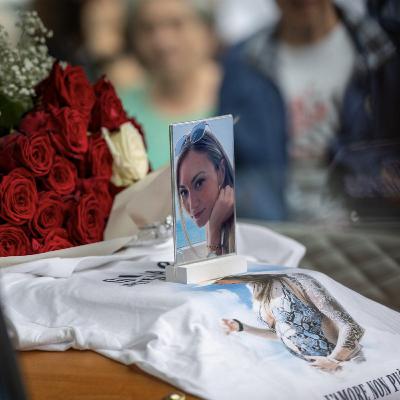
**This episode contains descriptions of abuse and violence**In November, the Italian parliament voted unanimously to introduce the term “femicide” into the country’s legal code. The murder of a woman – on account of her gender – is now a distinct crime, punishable with a life sentence.The United Nations reported that last year nearly 50,000 women and girls were killed by intimate partners or family members.Italy is the latest country to adopt a specific law in an effort to curb violence against women following a string of brutal murders of young women.One of the most publicised was Giulia Tramontano, who was repeatedly stabbed by her partner while seven-months pregnant. Her murder - along with another case – sparked fierce outrage across Italy, culminating in the new law being passed.In this episode, we hear from Giulia’s sister, Chiara Tramontano, and the BBC Southern Europe correspondent Sarah Rainsford. Producer: Valerio EspositoExecutive Producer: James ShieldMix: Travis EvansSenior News Editor: China CollinsPhoto: A framed photo of Giulia Tramontano at her funeral. Credit: Alessandro Memoli/KONTROLAB/LightRocket via Getty Images)
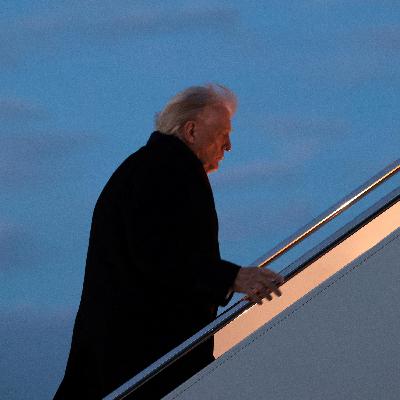
Europe is facing the prospect of ‘civilizational erasure’. That is the official view of the Trump administration, as put in a radical policy document that was released late last week. The US government’s new National Security Strategy paints the most complete picture yet of who the administration sees as its allies and its adversaries, and it has left Europe’s leaders reeling. Today, we speak to the BBC's State Department correspondent, Tom Bateman, about how Trump has turned traditional US foreign policy on its head. Producer: Viv Jones, Lucy Pawle and Hannah Moore Executive producer: James Shield Sound engineer: Travis Evans Senior news editor: China Collins (Photo: US President Donald Trump boards Air Force One, 9 December, 2025. Credit: Jonathan Ernst/Reuters)
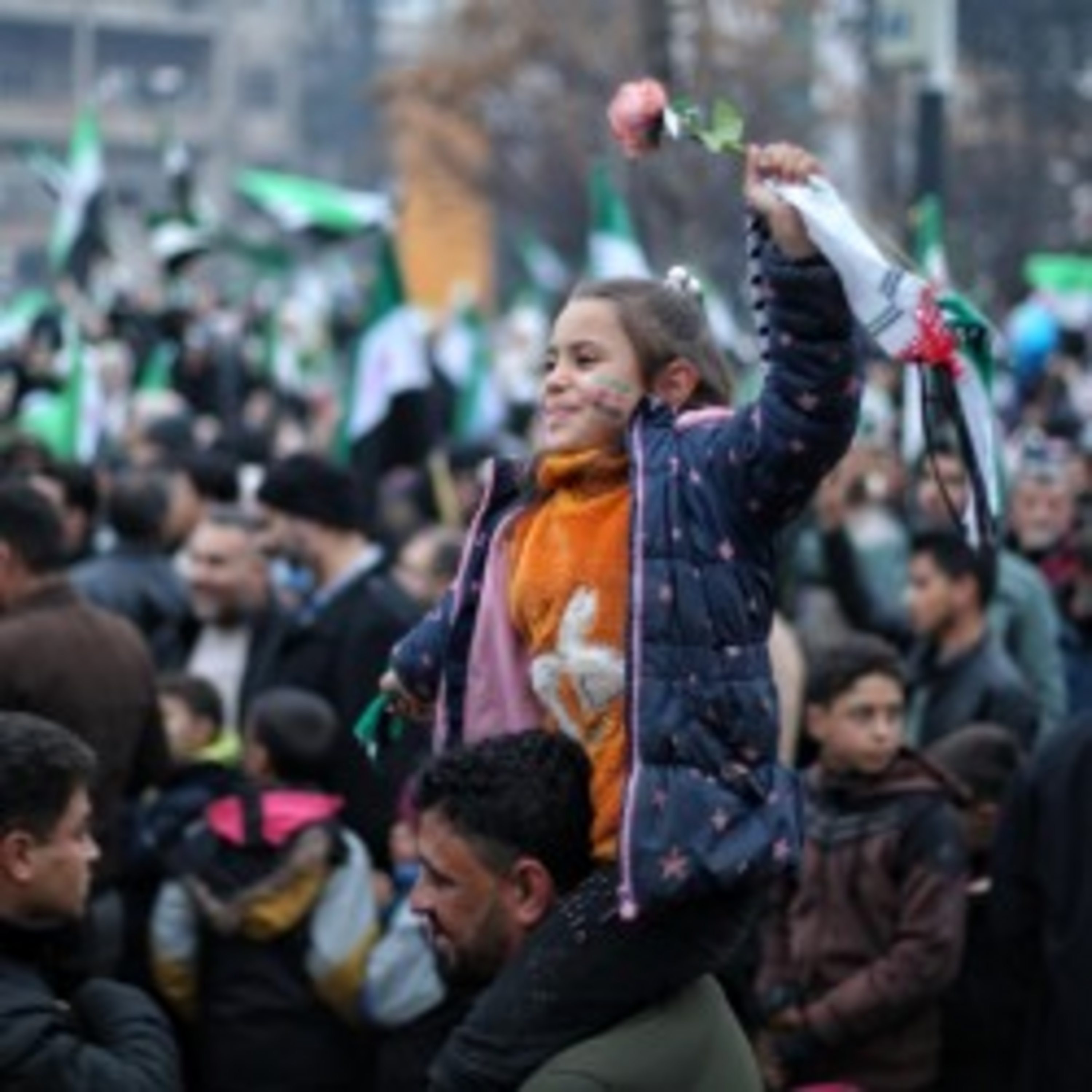
This week, Syrians have been celebrating the first anniversary of the fall of the Assad regime and the end of almost 14 years of civil war. In the year since, the former jihadist turned leader, Ahmed al-Sharaa, has been on an international charm offensive. But has life improved for ordinary Syrians back home? And has Sharaa proven himself to be the reformer the west wants him to be? Today we’re joined from Damascus by the BBC’s international editor, Jeremy Bowen.Producer: Sam Chantarasak Executive producer: James Shield Senior news editor: China Collins Mix: Travis Evans Photo: A young girl sits on her father's shoulders during a parade marking the first anniversary of the ousting of the Bashar al-Assad regime in Idlib, Syria. Bilal al-Hammoud/EPA/Shutterstock

**This episode contains discussion of bullying and suicide**Australian teens are bracing for a new law coming into effect this week that will ban social media accounts for anyone under the age of 16. The Government says the legislation is designed to protect the mental wellbeing of Australian children and teens – but it’s already proving controversial, not least among American tech companies and some politicians who see the ban as a threat to free speech. In today’s episode, we are joined by Katy Watson, the BBC’s Australia correspondent, to discuss how the country became a global test case for a bold new policy – and crucially, whether it will succeed. Producers: Cat Farnsworth, Aron Keller and Xandra EllinMix: Travis EvansSenior News Editor: China Collins
Photo: A teen using her phone ahead of social media band for users under 16. Hollie Adams/Reuters
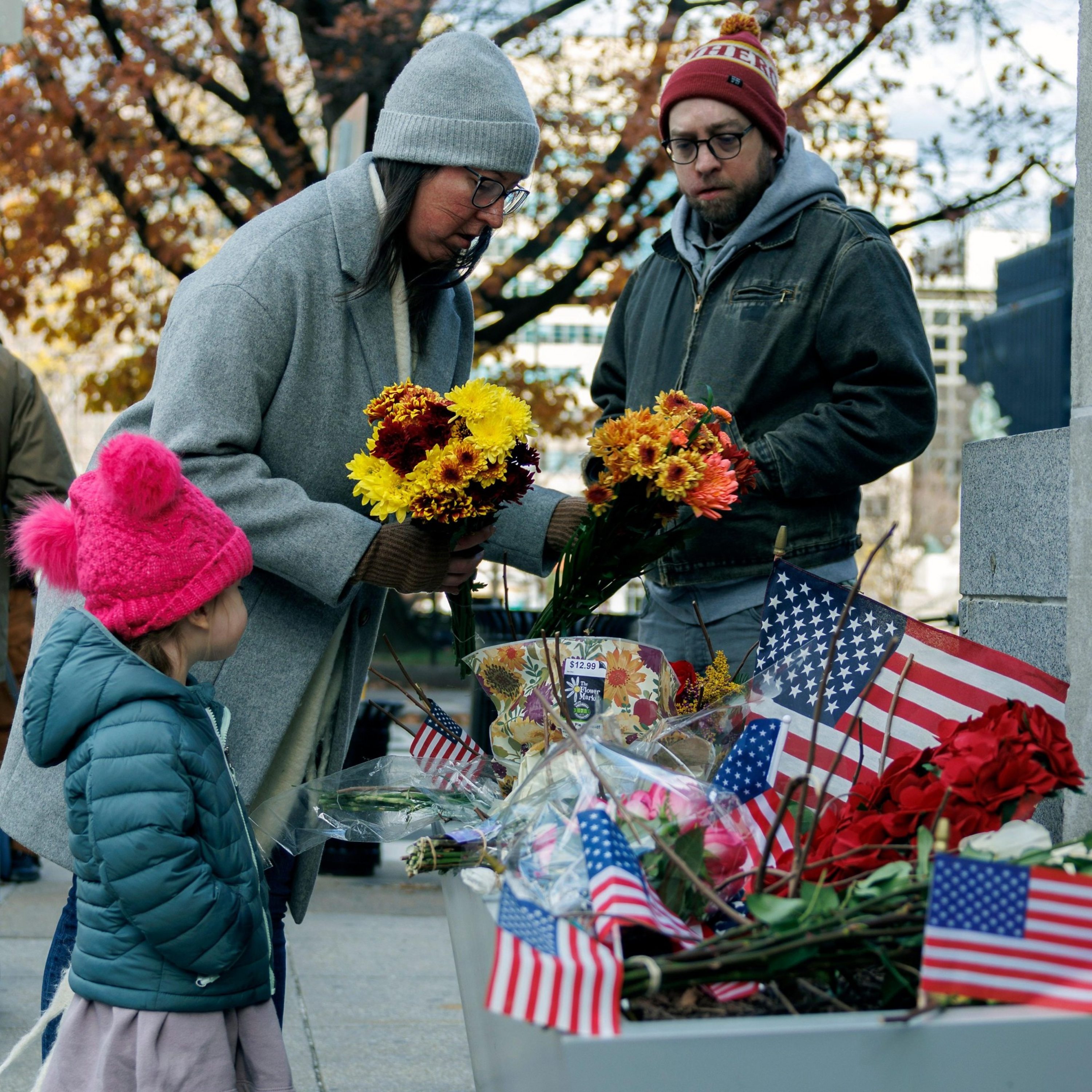
After an Afghan national was charged with shooting two National Guard members in Washington DC, President Donald Trump called for sweeping changes in immigration policy and pledged to "permanently pause migration" from all "third world countries". Afghan nationals, especially those who worked with the US mission in Afghanistan, may now find themselves in a particularly precarious position.
Asma and Tristan discuss these rapid recent policy changes, and the BBC’s Mahfouz Zubaide shares recent reporting on how Afghans in America are getting caught up in the crackdown.Producers: Viv Jones, Xandra Ellin Executive Producer: Bridget HarneySenior News Editor: China CollinsMix: Marty PeraltaPhoto: People leave flowers at the scene where two National Guard members were shot in Washington DC. Credit: Will Oliver/EPA/Shutterstock

Fifa’s president, Gianni Infantino, is widely expected to award Donald Trump the inaugural FIFA Peace Prize on Friday, at the draw for the 2026 World Cup in Washington DC. The prize has led to scrutiny over Infantino’s close relationship with Trump, along with concerns that Trump might move matches from host cities and fears over visa delays or refusals for travelling fans and officials. We speak to Dan Roan, the BBC’s sports editor, about why Infantino is cosying up to Trump, and what it means for football and global diplomacy. Producer: Sam Chantarasak and Aron KellerSound engineer: Travis EvansSenior news editor: China Collins(Image: Fifa President Gianni Infantino shows US President Donald Trump the World Cup Trophy in the Oval Office. Credit: Chip Somodevilla/Getty Images)
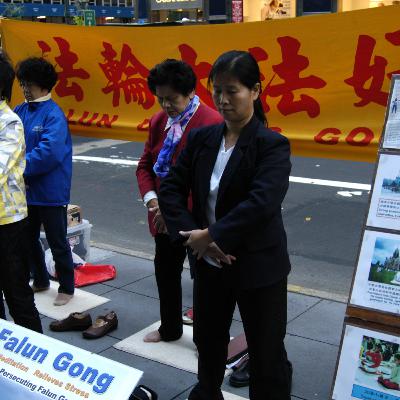
When China began cracking down on the spiritual movement Falun Gong in the 1990s, its leader and some followers moved to the United States. From there, they started the Epoch Times, a free newsletter.But in the past decade, the organisation has grown to become a conservative media empire – with a Pentagon press pass, a slick TV arm, and many millions of dollars in revenue. How did they do it? The story involves a mysterious spiritual leader, a dance troupe, and even a federal indictment.What does the meteoric rise of the Epoch Times say about how media and politics in the United States have changed in the last decade? We speak to Brandy Zadrozny, who has investigated the Epoch Times for NBC News.Producer: Lucy Pawle and Cat FarnsworthSound engineer: Martin Peralta and Travis EvansSenior news editor: China CollinsPhoto: Members of the Falun Gong protesting in New York. Credit: Alex Segre/BBC Images)
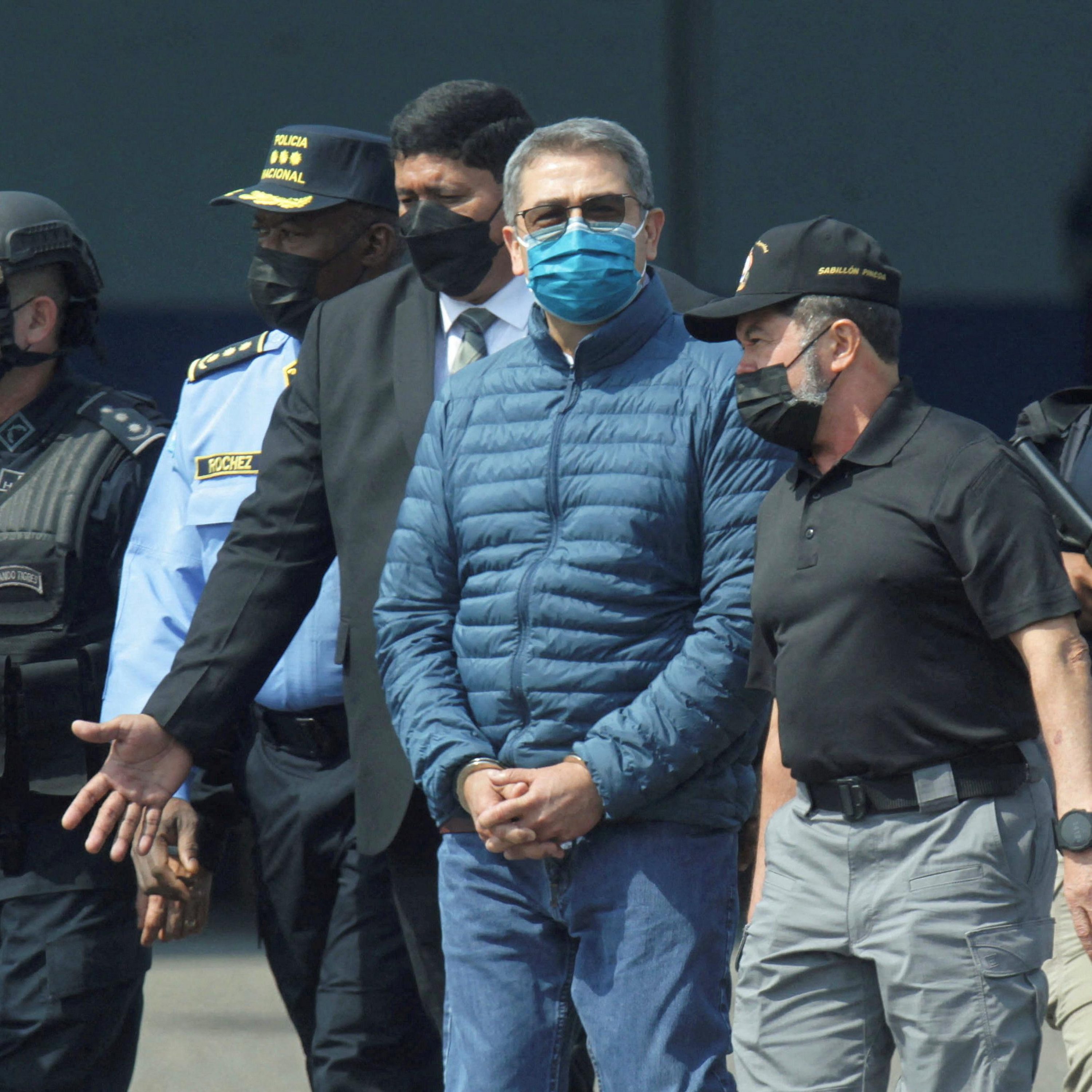
President Donald Trump has pardoned Juan Orlando Hernández, a former president of Honduras who was serving a 45-year sentence for drug trafficking and weapons offences.It was only last year that Hernández was convicted in a New York courtroom of being part of a huge drug trafficking conspiracy, after being extradited to the US. Prosecutors said the operation flooded America with cocaine and turned Honduras into a “narco-state”. But Trump has claimed the investigation was a Biden administration “set up”, and Hernández is now a free man. As the Trump administration ramps up its military threats against Latin American drug cartels, including multiple strikes on alleged drug trafficking boats in the Caribbean, why has it pardoned Hernández? Will Grant reports. Producer: Xandra Ellin, Hannah Moore and Viv JonesExecutive producer: James Shield Sound engineer: Travis Evans Senior news editor: China Collins (Photo: Juan Orlando Hernandez being escorted by US agents for extradition in 2022. Credit: Fredy Rodriguez/Reuters)
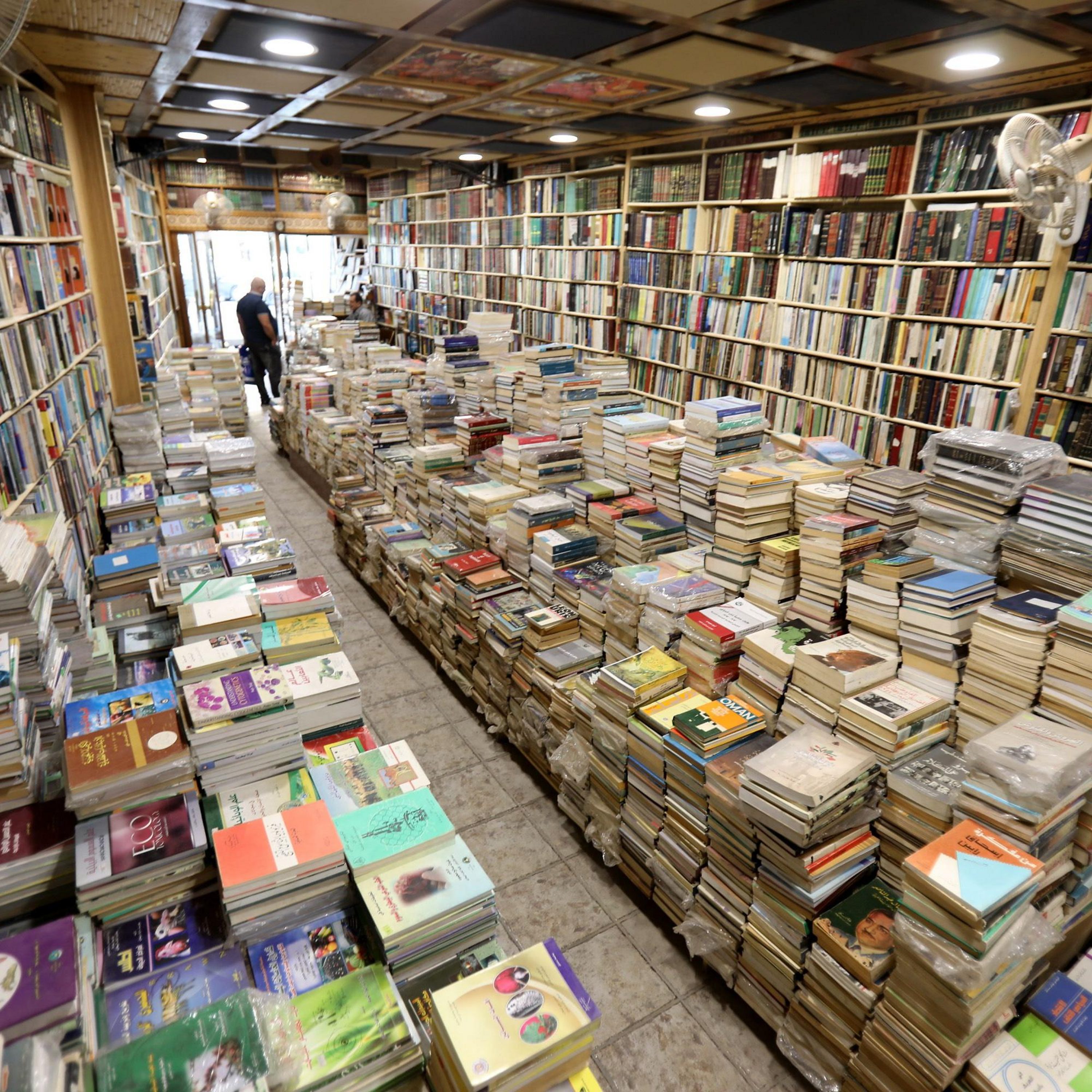
Are we living through the slow death of reading - replaced by an addictive screen culture that fragments our attention and floods us with trivial or unreliable information? Writer and voracious reader James Marriott believes we are entering a post-literate age with profoundly negative consequences for education, culture and democracy itself. In today's episode, James traces how an 18th century ‘reading revolution’ shaped the modern-world - and what might follow its sudden decline.
Producers: Aron Keller and Sam Chantarasak
Editor: James Shield
Mix: Travis Evans
Senior news editor: China Collins
Photo: The al-Nahda al-Arabiya library in central Baghdad. (Credit: Ahmed Jalil/EPA)


Download from Google Play

Download from App Store
 United States
Parham bullshitting you! & you are naively echo it here, at least ask someone else! His history in white washing regime is notorious!
I’ve been going through a lot of discussions here about managing daily responsibilities, and one tool that really stood out to me is Sorry it’s your problem now . It’s a practical planner designed to help keep things organized, reduce stress, and make handling both personal and work tasks much easier. If anyone is looking for a straightforward way to stay on track, it’s definitely worth checking out.www.sorryitsyourproblemnowplanner.com
Is this podcast ever going back to normal, or did it just get replaced by a Trump podcast?
It is called Persian Gulf. Did they even teach you geography in school? From the Persian Gulf to the Gulf of Mexico, we stand against the distortion of history.
babe it's not just gulf, it's Persian gulf.
dear god kill this string already there are other things going on in the world.
we need Transltion to Arabic
I need Transltion to Arabiczee
poor audio
Absolutely devastating. So deeply sad that it hurts my very soul.
Finally we're free.✌️💚🕊️
Prefabrik evler, modern yaşamın ihtiyaçlarına uygun olarak tasarlanmış, pratik ve ekonomik konut çözümleridir. Fabrikada üretilen modüllerin hızlı bir şekilde inşa alanında birleştirilmesiyle oluşan bu yapılar, kullanıcılarına zaman ve maliyet avantajı sağlar. Çeşitli mimari stiller ve iç mekan düzenlemeleri ile kişiselleştirilebilirler. Enerji verimliliği ve dayanıklılık özellikleri sayesinde uzun ömürlü bir yaşam alanı sunar. Ayrıca, sürdürülebilir malzemelerin kullanımıyla çevre dostu bir alternatif oluşturur. https://prefabrikhazirev.com/prefabrik-ev-fiyatlari/
death to zionism
Many of us here in Australia definitely don't want a foreign Head Of State. That was also the case for the 1997 referendum, which failed. Not for lack of support for an Australian Republic, but because of a squabble as to how The President should be chosen. Still unresolved, 27 years later. We have King Charles on our currency, it's a national embarrassment. Some haven't woken up that we are an independent country; we do have some royalists, still swooning and toadying to the royal forelocks.
You clearly have taken side with Kamala in this podcast, disgusting
yesterday's source is broken
Hardly a political earthquake. They only got 1.6 % more votes than Jeremy Corbans Labour. Reform party done more damage to Tories losing seats
hello
لازمه پس به دورانی که فراموش کرده بودم برگزدم نه از،سلاح نه از کسی میترسم هر کی توهینی کرده خورده و هرچی دکست دارن در خدمتم از هیچ بنی بشری ترسی ندارم بقیه هم بدرک برام مهم نیستن بهشکن فکر هم نمیکنم دیدمشون زیاد دنبالم بیان پنچرشون میکنم یبار دیگه بابا غوری رو ببینم باید از،بیمارستان جمعش کنین
Democracy is all about freedom and it's a means equitable living