


 Claim Ownership
Made for Health
Subscribed: 13Played: 338
Subscribe

© Copyright 2025 Aaron Hartman, MD
Description
You were made for health—vibrant, thriving, and full of possibility. But navigating today’s broken healthcare system, endless misinformation, and confusion can feel overwhelming. On Made for Health, Dr. Aaron Hartman cuts through the noise to deliver science-backed solutions that restore your health and reignite your hope.
Join us each week for expert insights, practical tips, and inspiring conversations that empower you to harness your body’s incredible power to heal. Whether you're seeking clarity, direction, or just a trusted voice, this podcast is your roadmap to the vibrant life you were made for.
Join us each week for expert insights, practical tips, and inspiring conversations that empower you to harness your body’s incredible power to heal. Whether you're seeking clarity, direction, or just a trusted voice, this podcast is your roadmap to the vibrant life you were made for.
97 Episodes
Reverse
What if a few simple changes in your daily routine could dramatically lower your EMF exposure and support a calmer, healthier nervous system?In this quick and actionable minisode, Dr. Aaron Hartman shares simple, science-backed strategies to reduce electromagnetic field (EMF) exposure in your home, workplace, and everyday environment. Whether you're EMF-sensitive or simply want to prevent nervous system dysregulation, these practical tips help you minimize unnecessary exposure without making drastic lifestyle changes. From managing Wi-Fi and cell phones to choosing the right lighting and understanding shielding, this episode breaks down what actually matters when it comes to EMF safety. Key InsightsYour home is where half of your EMF exposure happens, making nighttime habits especially important.Turning off Wi-Fi at night and keeping your phone in airplane mode while you sleep can dramatically reduce EMF load.Avoiding Bluetooth earbuds inside the ear canal helps limit direct EMF exposure to the head.Brick, concrete, and certain paints naturally block EMFs better than wood or vinyl structures.Fluorescent and LED lighting contain transformers that emit EMF; incandescent bulbs emit far less.Smart meters matter only if they're placed near sleeping areas.Shielding methods work best when they involve physical barriers, not “frequency-modifying” gadgets.Cars and workplaces are overlooked sources of EMF due to electronics and lighting systems.EMF sensitivity is more common in individuals with chronic inflammation, mold illness, CIRS, or nervous system dysregulation. What You’ll LearnPractical steps to reduce EMF exposure at homeHow distance, unplugging, and nighttime habits make the biggest differenceBest and worst headphones for EMF exposureBuilding materials and renovation hacks that lower household EMFHow lighting, smart meters, laptops, and routers contribute to overall exposureWhich shielding approaches work and which are mostly ineffectiveHow to evaluate whether EMF reduction is important for your healthFollow Dr. Aaron Hartman and Richmond Integrative & Functional Medicine💻 Website: https://richmondfunctionalmedicine.com/YouTube: @AaronHartmanMDMentioned in this episode:Get Dr. Hartman's New Book - UnCURABLEIf you’ve been let down by the system, you’re not alone — and you’re not powerless.
Dr. Hartmans wrote UnCURABLE to help you take back control of your health and your hope.
Visit the link below ⬇️ to get your copy and start your transformation today.Get the new book UnCURABLE

What if the real barrier to healing chronic illness isn’t your labs or treatments, but a stressed nervous system that keeps your body from ever fully recovering?In this episode, Dr. Aaron Hartman unpacks one of the most overlooked factors in chronic illness: the nervous system and the mind-body connection. Drawing from decades of clinical experience with patients struggling with Lyme disease, mold illness, long COVID, autoimmune disorders, chronic fatigue, fibromyalgia, IBS, inflammatory bowel disease, and more, he highlights a powerful truth: these conditions are interconnected through the nervous system. Dr. Hartman explains how trauma, both big and small, can trap the body in a chronic stress state that blocks healing, sleep, gut repair, and cellular regeneration. He breaks down the “Triangle of Health,” showing how gut health, stress, and sleep must work together for true recovery. This episode offers a compassionate, trauma informed perspective and actionable tools to help listeners break through healing plateaus and reclaim long term wellness. About the HostDr. Aaron Hartman, MD, founder of Richmond Integrative & Functional Medicine, specializes in root cause medicine and complex chronic illness. He integrates advanced testing with lifestyle, nutrition, and trauma informed care to help patients unlock the body’s innate healing capacity. Key Topics CoveredHow chronic conditions like Lyme, mold illness, autoimmune disorders, long COVID, and fibromyalgia are linked through the nervous systemUnderstanding psycho neuro immuno gastro endocrinology and how the mind influences immunity, inflammation, gut health, and hormonesBig T trauma vs. little T trauma and how both disrupt healingWhy many patients improve 60 to 70 percent and then plateauHow chronic illness becomes a form of trauma itselfThe cell danger response and why stressed nervous systems block cell turnoverReal patient stories illustrating trauma triggered setbacksHow caregiving, childhood stress, and narcissistic family dynamics create long term physiology changesWhy gut health, sleep, and stress form the Triangle of HealthTrauma therapies that support healing including EMDR, tapping, somatic work, and family systems therapyA functional medicine approach to reconnecting the gut, nervous system, and immune system🔗 Links & Resources📘 Book: UnCurable: From Hopeless Diagnosis to Defying All Odds👉 https://a.co/d/8sqjZNF🌐 Website: Richmond Integrative & Functional Medicine📺 YouTube: @AaronHartmanMDMentioned in this episode:Get Dr. Hartman's New Book - UnCURABLEIf you’ve been let down by the system, you’re not alone — and you’re not powerless.
Dr. Hartmans wrote UnCURABLE to help you take back control of your health and your hope.
Visit the link below ⬇️ to get your copy and start your transformation today.Get the new book UnCURABLE
What if the missing link between knowing how to get healthier and actually doing it is a health coach who helps you turn real life into real change?In this episode of Made for Health, Dr. Aaron Hartman sits down with Dr. Sandra Scheinbaum, Ph.D., founder and CEO of the Functional Medicine Coaching Academy (FMCA), to explore why health coaching is becoming an essential part of modern healthcare.Dr. Scheinbaum shares her journey from classroom teacher to clinical psychologist to functional medicine pioneer and coach educator. She explains how health coaches help patients do the hardest part of medicine: actually changing daily habits. From mindset and self efficacy to social connection and healthy aging, this conversation makes a powerful case for why coaching may be the missing link between good medical advice and real life transformation.Whether you are a patient, practitioner, or someone curious about how to stay strong, connected, and purpose driven as you age, this episode will expand how you think about health and who belongs on your care team. 👤 About the Guest – Dr. Sandra Scheinbaum, Ph.D. Dr. Sandra Scheinbaum is the founder and CEO of the Functional Medicine Coaching Academy, created in collaboration with the Institute for Functional Medicine. A clinical psychologist and educator with nearly 50 years of experience, she has been a pioneer in mind body medicine, biofeedback, neurofeedback, and lifestyle based care long before they were mainstream.At age 65, instead of retiring, she launched FMCA to train and certify health coaches who partner with practitioners and health systems to prevent and reverse chronic illness. She is the author of several books, including Your Health Coach Will See You Now: Creating a Healthier Future Together, which advocates for health coaching as a critical part of primary care.🔑 Key Topics CoveredFrom classroom to functional medicine pioneer How Dr. Scheinbaum went from teaching children with learning differences, to early biofeedback and relaxation training, to becoming one of the first psychologists certified in functional medicine.What health coaching really is (and what it is not) Why a health coach is not just cheerleading, but a trained partner who helps you change when change is hard, break big goals into doable steps, and build true self efficacy.Why lifestyle change is the real frontline of chronic disease prevention The staggering impact of diet, sleep, movement, and stress on heart disease, cancer, metabolic syndrome, and more, and why a 15 minute office visit is not enough to help people change.Bridging the gap between medical advice and real life How coaches translate “eat healthy and exercise” into practical, personalized habits that fit real families, schedules, budgets, and cultures.Coaches as the “bedside manner” of modern healthcare How health coaches restore what many patients miss in today’s rushed system: someone who listens deeply, builds rapport, and walks with them between doctor visits.Healthy aging vs anti aging The difference between fearing aging and embracing “pro aging” with curiosity, purpose, resistance training, and forward looking goals in your 60s, 70s, and beyond.The power of community and connection Why loneliness is one of the biggest risk factors for decline, and how shared activities like movement classes, games, and craft circles act as true medicine for the brain and body.Group coaching and community as medicine How practices that lead with coaching and group visits often see symptoms...
Are electromagnetic fields simply harmless background energy, or could they quietly influence sleep, inflammation, brain function, and long term health?In this short minisode, Dr. Aaron Hartman continues the EMF series by breaking down the real differences between natural electromagnetic fields that support health and artificial EMFs that may contribute to chronic symptoms. He explains why EMFs exist on a spectrum, from the natural frequencies generated by the Earth and the human body to the high intensity non ionizing and ionizing radiation emitted by cell towers, Wi Fi systems, radar, and other modern technologies.This episode explores how high intensity EMFs are linked with increased cancer and cardiovascular risk and how low intensity exposures can disrupt circadian rhythm, melatonin production, sleep, and neurological balance. Dr. Hartman highlights why people with chronic inflammation and conditions like mold illness, Lyme disease, mast cell activation, POTS, dysautonomia, and chronic fatigue may react more strongly to everyday EMF levels that others barely notice.He also previews upcoming practical strategies for reducing exposure and strengthening nervous system resilience.Key Insights• Natural EMFs from the Earth and human biofields can support healthy physiology • High intensity EMFs such as ionizing radiation and strong radio frequencies are associated with increased cancer and cardiovascular risks • Children are more vulnerable due to longer lifespan exposure and thinner skull tissue • Low intensity EMFs from devices like Wi Fi routers, cell phones, and screens can contribute to sleep disruption, brain fog, and fatigue • EMFs may impact voltage gated calcium channels and suppress melatonin • Flying exposes the body to increased EMF and radiation, affecting circadian rhythm and recovery • Individuals with chronic inflammatory conditions are more likely to experience EMF sensitivity • Nervous system inflammation amplifies reactivity and can trigger symptoms even at low exposure levels • Brain retraining and autonomic regulation may be more effective than blocking all EMFsTakeaways• EMF effects depend on intensity, distance, duration, and biological sensitivity • Sensitivity often reflects an inflamed or dysregulated nervous system • Not all EMF exposure is harmful, but thoughtful awareness supports better health • The next minisode will cover practical strategies to reduce exposure and protect nervous system balanceFollow Dr. Aaron Hartman and Richmond Integrative & Functional Medicine💻 Website: https://richmondfunctionalmedicine.com/YouTube: @AaronHartmanMDMentioned in this episode:Get Dr. Hartman's New Book - UnCURABLEIf you’ve been let down by the system, you’re not alone — and you’re not powerless.
Dr. Hartmans wrote UnCURABLE to help you take back control of your health and your hope.
Visit the link below ⬇️ to get your copy and start your transformation today.Get the new book UnCURABLE
What if a devastating injury that seemed impossible to overcome became the doorway to discovering what the human body is truly capable of?In this deeply personal episode, a functional medicine physician shares the extraordinary story of his son’s recovery after a traumatic elevator accident that severely damaged his facial nerve. With more than 90 percent nerve impairment and an uncertain prognosis, the family was told that healing might never fully occur. Instead, they combined conventional trauma care with integrative therapies such as low level light therapy, nerve stimulation, and targeted supplements to support natural nerve regeneration and functional recovery.Against all expectations, his son regained full facial function within months and made a complete recovery within a year. This experience reshaped the physician’s understanding of healing and reinforced his belief that health is profoundly interconnected with our environment, nervous system, and the natural world around us.This episode invites listeners to think differently about what is possible when science, integrative medicine, and the body’s innate ability to heal work together.Key Topics Covered• A powerful story of recovery after severe facial nerve injury • Combining trauma medicine with integrative therapies for optimal healing • How LED light therapy, electrical nerve stimulation, and supplements support nerve repair • The role of omega 3s, low dose naltrexone, and targeted nutrients in neurological healing • Lessons learned from blending conventional and functional medicine • Understanding trauma response and long term nervous system imprinting • Why healing requires addressing both emotional and physical layers • Seeing the body and environment as interconnected biological systems • The impact of environmental factors like air quality, toxins, and electromagnetic fields on health • Why finding practitioners who think holistically mattersPowerful Takeaways• There are no unrelated health conditions. Everything is connected. • The body is capable of remarkable healing when given the right support. • Do not accept “there is nothing more we can do” without exploring possibilities. • Integrative thinking bridges the gap between medicine and the environment. • A person with health has infinite dreams. A person without health has one dream: to be healthy.🔗 Links & Resources📘 Book: UnCurable: From Hopeless Diagnosis to Defying All Odds👉 https://a.co/d/8sqjZNF🌐 Website: Richmond Integrative & Functional Medicine📺 YouTube: @AaronHartmanMDMentioned in this episode:Get Dr. Hartman's New Book - UnCURABLEIf you’ve been let down by the system, you’re not alone — and you’re not powerless.
Dr. Hartmans wrote UnCURABLE to help you take back control of your health and your hope.
Visit the link below ⬇️ to get your copy and start your transformation today.Get the new book UnCURABLE
What if the symptoms you have been told are normal aging, stress, or anxiety are actually signs of hidden toxin exposure silently disrupting your immune system, hormones, metabolism, and brain?In this powerful discussion, Dr. Aaron Hartman and Dr. Christian Jenski take listeners inside the world of toxin induced illness and Toxic Induced Loss of Tolerance (TILT), explaining why so many patients with chronic fatigue, brain fog, gut issues, autoimmune conditions, and inflammatory disorders are being overlooked or misdiagnosed. They explore how toxins such as heavy metals, mold, chemicals, plastics, and environmental pollutants overload the nervous system and immune system, creating multi system dysfunction that standard lab work can miss.The conversation dives into practical strategies for identifying toxin illness using accessible lab testing, a smart patient history, and foundational lifestyle evaluation. They also break down simple but powerful detox tools including sweating, sauna, coffee enemas, lymphatic support, antioxidant therapy, and targeted supplements used to improve liver, gut, and immune function.This episode is a roadmap for anyone who suspects toxicity may be at the root of persistent symptoms and is ready to take thoughtful, science based steps toward recovery. Key Topics Covered• How toxin exposure creates symptoms like brain fog, fatigue, pain, autoimmunity, and metabolic dysfunction • Why history is the most important diagnostic tool for identifying toxicity • Understanding TILT and mast cell activation and how they relate to multiple chemical sensitivity • The pentad syndrome: hypermobility, dysautonomia, POTS, autoimmunity, GI issues, mast cell activation • Why normal labs do not always mean normal health • Affordable, insurance covered labs that reveal toxicity and inflammation patterns • Using CMP, CBC, CRP, ESR, A1c, fasting insulin, LDL oxidation, uric acid, leptin, adiponectin • The emotional and nervous system link between trauma, stress, and toxicity • Foundational detox strategies: hydration, bowel function, cruciferous vegetables, fiber, minerals, sleep, movement • Advanced detox tools: sauna, sweating, coffee enemas, IV vitamin C, glutathione, vibration therapy, acupuncture, massage • The role of omega 3s, phosphatidylcholine, NAC, magnesium, curcumin, and glutathione • How to approach heavy metals, mold, and biofilm support carefully and individually • Why detox must be individualized and start with the basics before aggressive therapies Powerful Takeaways• Toxin illness is common, complex, and often missed by conventional medicine • Foundational lifestyle changes create the strongest detox outcomes • Labs tell a story when interpreted through trends rather than normal ranges • Nervous system dysregulation and toxin burden amplify each other • Healing begins by addressing environment, inflammation, and nervous system calm • Patients can overcome toxicity when they stop guessing and start testing📲 Follow Dr. Aaron Hartman & Richmond Integrative & Functional Medicine💻 Website: https://richmondfunctionalmedicine.com/📺 YouTube: @AaronHartmanMDMentioned in this episode:Get Dr. Hartman's New Book - UnCURABLEIf you’ve been let down by the system, you’re not alone — and you’re not powerless.
Dr. Hartmans wrote UnCURABLE to help you take back control of your health and your hope.
Visit the link below ⬇️ to get your copy and...
Are electromagnetic fields truly harmless, or could they silently influence your brain, biology, and nervous system in ways we do not fully understand?In this solo episode, Dr. Aaron Hartman breaks down the science and controversy surrounding EMFs, explaining the difference between high energy and low energy radiation, why intensity and proximity matter, and how certain electromagnetic waves can interact with human physiology. He explores how EMFs may affect biological processes including calcium channels, bacteria, mold, and the nervous system, and why some individuals become hypersensitive to even everyday exposure.Dr. Hartman shares insights into why people struggling with conditions like POTS, dysautonomia, MCAS, chronic fatigue, mold illness, and multiple chemical sensitivity may react more intensely to EMFs. He also explains the concept of nervous system hyper responsivity and why two people living in the same environment may have very different experiences when exposed to the same signals.This episode serves as the starting point of a multi part mini series designed to help listeners understand EMFs and learn practical strategies for reducing exposure and supporting nervous system resilience. Key Insights• Not all EMFs are the same. Ionizing radiation like gamma rays and X rays can break DNA bonds, while non ionizing radiation like Wi Fi and cell signals cannot. • Intensity and distance matter. Exposure close to high energy sources such as radar or cell towers can negatively impact health. • Low intensity EMFs may still affect biological activity by altering calcium channels and nervous system signaling. • People with dysautonomia, POTS, MCAS, mold illness, and chronic fatigue often experience heightened nervous system sensitivity and EMF reactivity. • Nervous system inflammation can make harmless stimulus feel dangerous, similar to how shingles causes pain from light touch. • Electromagnetic sensitivity may be misunderstood because it overlaps with multiple factors: ionizing vs non ionizing, intensity vs absorption, biological vs thermal effects. • Common devices like Wi Fi routers, phones, and home electronics may contribute to symptoms in sensitized individuals. • EMFs can be used therapeutically at the right frequency, such as PEMF and resonance therapies. • This episode introduces the foundations for deeper conversations about mitigation, testing, and supportive strategies.Takeaways• EMF effects are complex and depend on wavelength, intensity, absorption, and individual biology. • A hyper reactive nervous system is often the real issue behind electromagnetic sensitivity. • People with chronic illness may experience exaggerated responses to environmental triggers. • Understanding the science behind EMFs can empower better decisions about health and exposure. • More episodes will explore practical mitigation strategies and advanced solutions.Follow Dr. Aaron Hartman and Richmond Integrative & Functional Medicine💻 Website: https://richmondfunctionalmedicine.com/YouTube: @AaronHartmanMDMentioned in this episode:Get Dr. Hartman's New Book - UnCURABLEIf you’ve been let down by the system, you’re not alone — and you’re not powerless.
Dr. Hartmans wrote UnCURABLE to help you take back control of your health and your hope.
Visit the link below ⬇️ to get your copy and start your transformation today.Get the new book UnCURABLE
What if the most powerful breakthroughs in neurological recovery aren’t found inside hospital systems, but in therapies most families never hear about?In this inspiring episode, Dr. Aaron Hartman shares the remarkable journey of his daughter Anna, who was born with agenesis of the corpus callosum, exposed to crystal meth in utero, and suffered a stroke before birth. Despite a devastating prognosis, Anna has defied every expectation — walking, talking, thriving in school, and living a life defined not by limitations but by possibility.Drawing on Anna’s transformation, Dr. Hartman explores advanced biohacking strategies that supported her neurological recovery, including hyperbaric oxygen therapy, neuromuscular stimulation, and PEMF therapy. He breaks down how these tools can support healing in conditions such as autism, ADHD, traumatic brain injuries, and stroke — while emphasizing that no advanced therapy can replace foundational lifestyle pillars like nutrition, sleep, movement, and stress regulation.This episode is both deeply personal and scientifically grounded, offering hope for families navigating complex developmental and neurological conditions. About the GuestDr. Aaron Hartman is a board-certified family physician and founder of Richmond Integrative & Functional Medicine. He specializes in complex, chronic health conditions and blends conventional medicine with cutting-edge functional and regenerative therapies. His work is driven by his experience as a father to a medically complex child, which reshaped his philosophy of healing and patient care. Key Topics CoveredAnna’s early medical challenges and journey from severe diagnosis to thriving adulthoodFoundational biohacking: diet, movement, sleep, gut health, and stress regulationWhy lifestyle foundations must precede advanced therapiesHyperbaric oxygen therapy (HBOT) and its benefits for stroke, TBI, autism, ADHD, PANS/PANDAS, and wound healingIncreasing circulating stem cells by up to 800% through mild hyperbaric exposureNeuromuscular stimulation (NMS) and reversing contractures without surgeryUnderstanding muscle cytokines, brain activation, and functional neuroplasticityTools like PowerDot, Revive footplate, and task-specific stimulationPEMF therapy and its impact on mitochondria, nerve recovery, and inflammationWhy these therapies are often ignored in traditional healthcare systemsHow integrating advanced therapies and a healing environment transforms outcomesEncouragement for parents and patients seeking solutions outside conventional pathways Powerful TakeawaysHealing begins by refusing to accept “there is nothing more we can do.”Cutting-edge therapies work best on top of strong lifestyle foundationsBiohacking is not about gadgets — it is about restoring the body’s innate capacity to healAdvocacy, persistence, and education can rewrite medical futuresOne child’s transformation can change the course of many lives🔗 Links & Resources📘 Book: UnCurable: From Hopeless Diagnosis to Defying All Odds👉 https://a.co/d/8sqjZNF🌐 Website: Richmond Integrative & Functional Medicine📺...
Could the real source of your chronic symptoms be hidden inside your own home—in the air you breathe and the walls around you?In this episode, Dr. Aaron Hartman and Dr. Christian Jenski open up about their personal experiences uncovering hidden environmental toxins in their homes. What started as strange smells and persistent health symptoms turned into a deep investigation of indoor air quality, mold contamination, water damage, radon, chemical off-gassing, and other hazards that can quietly impact long-term health.They walk through the step-by-step process of discovering issues in their crawlspaces, attics, plumbing, ventilation systems, and appliances, along with the emotional, physical, and financial challenges involved in remediation. Their stories reveal how much our living environments influence chronic disease, immune function, sleep, childhood wellbeing, and overall healing capacity.This is an essential episode for anyone navigating chronic illness, unexplained symptoms, or concerns about environmental toxicity in their home. About the GuestDr. Christian Jenski is a physician and environmental health advocate who has faced firsthand the overwhelming effects of biotoxin exposure. His personal family story fuels his passion for helping others identify and address hidden toxicity in their homes. Key Topics Covered• How hidden mold, bacteria, VOCs, and soil gases led to major health challenges • Why unusual odors should never be ignored and what they can indicate • Crawlspace contamination and the importance of professional encapsulation • When to use HEPA filtration, dehumidifiers, vapor barriers, and radon systems • Water leaks, attic moisture, faulty ventilation, and appliance failures • The dangers of plug-ins, candles, perfumes, and scented products • Practical warning signs of toxicity inside your home • How environmental cleanup improved autoimmunity, eczema, sleep, and behavior • Steps to take when you suspect mold or home-based toxin exposure • The financial and emotional reality of remediation and recovery Takeaways• Your home environment may be the missing piece in your health journey. • Strange smells are signals meant to be investigated, not covered up. • At least half of all U.S. homes have water damage and potential microbial issues. • Personal advocacy and second opinions matter more than ever. • Healing can accelerate rapidly once environmental triggers are removed.📲 Follow Dr. Aaron Hartman & Richmond Integrative & Functional Medicine💻 Website: https://richmondfunctionalmedicine.com/📺 YouTube: @AaronHartmanMDMentioned in this episode:Get Dr. Hartman's New Book - UnCURABLEIf you’ve been let down by the system, you’re not alone — and you’re not powerless.
Dr. Hartmans wrote UnCURABLE to help you take back control of your health and your hope.
Visit the link below ⬇️ to get your copy and start your transformation today.Get the new book UnCURABLE
Could your “anxiety” actually be a hidden medical condition like POTS or hormonal imbalance that’s been overlooked or misdiagnosed?In this insightful minisode, Dr. Aaron Hartman explores the reality of medical gaslighting — a common yet deeply overlooked issue where physical symptoms are dismissed as “just anxiety” or “psychological.” Drawing from real clinical experience, he sheds light on the hidden physiological causes behind these often-minimized symptoms, especially in women.Dr. Hartman explains how conditions like dysautonomia and POTS (Postural Orthostatic Tachycardia Syndrome) can masquerade as anxiety, causing dizziness, heart palpitations, and low blood pressure fluctuations. He also examines how hormonal cycles, gut health, and neurotransmitter balance play critical roles in mood and energy regulation.The episode reminds listeners that true healing starts with being heard—and that understanding your own physiology is one of the most powerful forms of advocacy. 🔑 Key InsightsCommon symptoms like anxiety, dizziness, and fatigue may have physiological—not psychological—roots.Dysautonomia and POTS are often missed causes of anxiety-like symptoms.Women’s hormonal fluctuations and monthly cycles can reveal key diagnostic clues.The gut-brain connection plays a major role in emotional and neurological health.Dismissive care delays diagnosis—patients must advocate for full evaluations and second opinions.Medical gaslighting disproportionately affects women and those with complex, multi-system conditions.Future episodes will explore gaslighting in obesity care and other misunderstood conditions.Follow Dr. Aaron Hartman & Richmond Integrative & Functional MedicineWebsite: https://richmondfunctionalmedicine.com/YouTube: @AaronHartmanMDMentioned in this episode:Get Dr. Hartman's New Book - UnCURABLEIf you’ve been let down by the system, you’re not alone — and you’re not powerless.
Dr. Hartmans wrote UnCURABLE to help you take back control of your health and your hope.
Visit the link below ⬇️ to get your copy and start your transformation today.Get the new book UnCURABLE
Could some of the biggest breakthroughs in medicine still be hiding in plain sight—overlooked by the very system meant to heal us?In this thought-provoking episode, Dr. Aaron Hartman explores one of the most revealing themes from his book UnCurable: From Hopeless Diagnosis to Defying All Odds—the concept of medical blind spots. Drawing from history, research, and real-world clinical experience, Dr. Hartman examines how entrenched medical beliefs and slow adoption of new evidence can leave critical gaps in patient care. From Semmelweis and handwashing to modern examples like antibiotics, mitochondrial toxicity, and research bias, he sheds light on why humility and open-mindedness are essential to progress in medicine. This episode challenges both clinicians and patients to question assumptions, advocate for themselves, and embrace a more integrative, transparent approach to health. 👤 About the GuestDr. Aaron Hartman is a board-certified family physician and founder of Richmond Integrative & Functional Medicine. His clinical and personal experiences inspired him to bridge conventional and functional medicine, helping patients with complex, chronic illnesses find answers when traditional care falls short. He is the author of UnCurable: From Hopeless Diagnosis to Defying All Odds, a powerful story of faith, transformation, and redefining what’s possible in healthcare. 🔑 Key Topics CoveredThe meaning of “blind spots” in modern medicine and why they persistHistorical lessons from Ignaz Semmelweis and the delayed recognition of smoking’s dangersMedical errors as a leading cause of death—and why they remain under-recognizedMitochondrial toxicity and gut disruption from common medicationsThe antibiotic-obesity connection and long-term metabolic effects of overprescriptionResearch bias: why up to 50% of published studies may later be proven falseEditorial gatekeeping and the slow adoption of new medical ideasThe importance of patient self-advocacy and presenting your own health history clearlyThe role of humility and collaboration in advancing integrative medicinePractical steps to identify and avoid medical blind spots in your own care 🧠 Takeaways & ReflectionsMedicine evolves slowly—critical thinking and open inquiry drive true progress.Not every “evidence-based” study tells the full story; experience and context matter.Patients can play an active role in shaping their health outcomes through advocacy and education.Recognizing blind spots in healthcare invites both professionals and patients to grow, learn, and heal together.🔗 Links & Resources📘 Book: UnCurable: From Hopeless Diagnosis to Defying All Odds👉 https://a.co/d/8sqjZNF🌐 Website: Richmond Integrative & Functional Medicine📺 YouTube: @AaronHartmanMDMentioned in this episode:Get Dr. Hartman's New Book - UnCURABLEIf you’ve been let down by the system, you’re not alone — and you’re not powerless.
Dr. Hartmans wrote UnCURABLE to help you take back control of your health and your hope.
Visit the link below ⬇️ to get your copy and start your transformation today.Get the new book UnCURABLE
Could the toxins in your air, food, and water be quietly sabotaging your energy, hormones, and long-term health?In this episode, Dr. Aaron Hartman and Dr. Christian Jenski dive deep into the hidden world of environmental toxins and how they affect human health. From heavy metals and pesticides to plastics and micro-pollutants, they uncover how modern life exposes us to thousands of untested chemicals—and what we can do about it. They explain how toxins enter and disrupt the body, the organs responsible for detoxification, and why an individualized, science-based approach is essential. Listeners will learn practical ways to reduce exposure, support the liver and kidneys, and adopt safer habits for air, water, food, and household choices. This conversation is both eye-opening and empowering, offering a clear path toward detoxing smarter, not harder. 👤 About the GuestsDr. Aaron Hartman is a board-certified physician and founder of Richmond Integrative & Functional Medicine. With years of experience in both conventional and integrative care, he helps patients uncover root causes behind complex conditions through nutrition, lifestyle, and regenerative medicine. Dr. Christian Jenski is an emergency medicine and integrative physician who brings a systems-based perspective to toxin exposure and detoxification. His expertise bridges conventional toxicology and functional medicine, helping patients restore balance through practical, evidence-based strategies. 🔑 Key Topics CoveredWhy more than 80,000 chemicals are in circulation—but fewer than 2,000 have been adequately tested for safetyHow toxins from air, water, food, and household products contribute to inflammation, endocrine disruption, and chronic illnessCommon toxic culprits: arsenic, lead, mercury, glyphosate, aluminum, and microplasticsHow phase 1 and phase 2 liver detoxification work, and why amino acids and B-vitamins are crucialThe role of the kidneys and hydration in toxin elimination and pH balanceThe surprising connection between sweating, gut health, and detox efficiencyWhy chronic stress and shallow breathing interfere with the body’s natural detox pathwaysPractical detox methods: infrared saunas, cold plunges, mineral support, and hydrationThe precautionary principle—why Europe’s approach to chemical regulation is safer than America’sHow to create a low-toxin home environment with simple, affordable steps 🧭 Actionable TipsFilter your water: Use certified filters or reverse osmosis systems and test your tap water at ewg.org/tapwater.Improve air quality: Use HEPA filters, houseplants, and proper ventilation—especially in kitchens and bathrooms.Choose safer cookware: Replace Teflon with stainless steel or cast iron, and store food in glass instead of plastic.Support your liver: Eat protein-rich meals with amino acids like glycine and taurine; include cruciferous vegetables and hydration.Sweat regularly: Sauna sessions or exercise at least 3 times per week to promote toxin elimination.Prioritize gut health: Ensure daily bowel movements and balanced microbiome support. 📚 Products and Resources MentionedEnvironmental Working Group (EWG) – Tap Water Database and Clean 15/Dirty Dozen ListsHarvard School of Public Health – Healthy Home GuideReverse...

What if your weight struggles aren’t about willpower at all—but signs of deeper inflammation, toxins, or trauma your body’s been carrying?In this insightful minisode, Dr. Aaron Hartman examines the issue of medical gaslighting in obesity care—when a patient’s symptoms are automatically dismissed as a result of their weight. He challenges the oversimplified view of obesity as a purely lifestyle-related condition and highlights how it is, in fact, a complex, multifactorial disease.The episode breaks down the different types of obesity—including inflammatory, metabolic, toxin-related, and trauma-induced forms—and underscores how each requires its own diagnostic approach and treatment strategy. Dr. Hartman emphasizes the importance of listening carefully to patients, identifying root causes, and addressing underlying physiological drivers rather than applying one-size-fits-all advice. 🔑 Key Topics CoveredWhat medical gaslighting looks like in obesity treatment and why it persistsThe four main types of obesity and how they differ in cause and treatmentWhy inflammation, toxins, and trauma are often overlooked in weight-related careThe role of hormones, metabolism, and the nervous system in obesityFunctional medicine’s approach to identifying root causes behind weight gainThe importance of compassionate listening and individualized care plansHow dismissing obesity as “just lifestyle” delays accurate diagnosis and healingFollow Dr. Aaron Hartman & Richmond Integrative & Functional MedicineWebsite: https://richmondfunctionalmedicine.com/YouTube: @AaronHartmanMDMentioned in this episode:Get Dr. Hartman's New Book - UnCURABLEIf you’ve been let down by the system, you’re not alone — and you’re not powerless.
Dr. Hartmans wrote UnCURABLE to help you take back control of your health and your hope.
Visit the link below ⬇️ to get your copy and start your transformation today.Get the new book UnCURABLE
What if one child’s impossible diagnosis became the spark that transformed a father—and a physician—forever?In this moving and transformational episode, Dr. Aaron Hartman shares the extraordinary story behind his book UnCurable: From Hopeless Diagnosis to Defying All Odds. What began as a devastating medical journey with his daughter, Anna, who was born with severe neurological challenges, became a story of faith, resilience, and transformation.Through navigating medical controversies, challenging conventional practices, and embracing integrative and functional approaches, Dr. Hartman reveals how one child’s journey changed the course of his life and career. This episode is both a heartfelt story of family and a compelling exploration of how personalized, integrative medicine can help even the most complex patients reclaim their health and hope. 👤 About the GuestDr. Aaron Hartman is a board-certified family physician and founder of Richmond Integrative & Functional Medicine. Drawing on both conventional and holistic modalities, he specializes in complex, chronic conditions that often fall through the cracks of traditional healthcare. His personal journey as a father to a medically complex child fuels his passion for helping others reclaim their health and vitality. 🔑 Key Topics CoveredAnna’s early diagnosis and the challenges of navigating a fragmented healthcare systemHow questioning “standard of care” led to unexpected resistance from medical authoritiesThe importance of intuition and parental advocacy in caring for special-needs childrenLessons learned from medical controversies involving feeding tubes, surgeries, and growth chartsHow one family’s perseverance revealed the system’s siloed nature — and the need for integrative careThe evolution of Dr. Hartman’s practice into a refuge for complex, misunderstood patientsUsing integrative tools such as neuromuscular stimulation, nutritional medicine, and nutrigenomicsReal-life applications of light therapy, detoxification, and regenerative medicineThe emotional and spiritual lessons of hope, perseverance, and purpose through hardshipHow Anna’s journey continues to inspire Dr. Hartman’s mission to help others “defy the odds” 🧠 Takeaways & ReflectionsTrue healing often begins when you refuse to accept “there’s nothing more we can do.”Integrative and functional approaches bridge the gaps between medical silos.Advocacy, faith, and persistence can change not only one life — but the lives of many.Health is the foundation of all dreams: “A person who has their health has a thousand dreams; the one who does not has but one.”🔗 Links & Resources📘 Book: UnCurable: From Hopeless Diagnosis to Defying All Odds👉 https://a.co/d/8sqjZNF🌐 Website: Richmond Integrative & Functional Medicine📺 YouTube: @AaronHartmanMDMentioned in this episode:Get Dr. Hartman's New Book - UnCURABLEIf you’ve been let down by the system, you’re not alone — and you’re not powerless.
Dr. Hartmans wrote UnCURABLE to help you take back control of your health and your hope.
Visit the link below ⬇️ to get your copy and start your transformation today.a...
Could your chronic fatigue or slow metabolism actually trace back to struggling mitochondria—the tiny engines powering every cell in your body?In this episode, Dr. Aaron Hartman and Dr. Christian Jenski uncover the pivotal role of mitochondria—the body’s energy powerhouses—in maintaining metabolic health, longevity, and resilience. They explain how modern stressors like medications, environmental toxins, nutrient deficiencies, and poor lifestyle choices impair mitochondrial function, fueling chronic disease and fatigue. The discussion bridges scientific depth with practical insights, revealing strategies to restore mitochondrial vitality through personalized nutrition, targeted supplementation, and detoxification. Listeners will walk away with clear, actionable steps to optimize cellular energy, enhance performance, and support long-term health.🔑 Key Topics CoveredHow common medications and environmental toxins damage mitochondrial functionThe mitochondria’s roles beyond energy — including immune modulation and inflammation controlThe influence of gut health and microbiome balance on mitochondrial performanceNutritional foundations for supporting mitochondria through whole foods and key nutrientsThe role of hormetic stressors like fasting, cold exposure, and exercise in building resilienceDetoxification strategies to minimize toxin load and oxidative stressTop supplements for mitochondrial support: CoQ10, carnitine, NAD precursors, magnesium, and B vitaminsClinical tools for testing mitochondrial efficiency and identifying dysfunctionThe use of IV nutrient therapy and tailored interventions in functional medicine📲 Follow Dr. Aaron Hartman & Richmond Integrative & Functional Medicine💻 Website: https://richmondfunctionalmedicine.com/ 📺 YouTube: @AaronHartmanMDMentioned in this episode:Get Dr. Hartman's New Book - UnCURABLEIf you’ve been let down by the system, you’re not alone — and you’re not powerless.
Dr. Hartmans wrote UnCURABLE to help you take back control of your health and your hope.
Visit the link below ⬇️ to get your copy and start your transformation today.Get the new book UnCURABLE
Have you ever felt dismissed or unheard by your doctor—like your symptoms were “all in your head”?In this thought-provoking minisode, Dr. Aaron Hartman introduces the concept of medical gaslighting—a term describing when patients’ symptoms are dismissed, minimized, or misattributed by healthcare providers. Drawing from real cases and historical context, Dr. Hartman explores how this phenomenon persists today, particularly among women who are often labeled “anxious” or “overreacting” rather than heard. He explains why intuition matters, how technology like AI can empower patients to advocate for themselves, and why practitioners must return to the fundamentals of medicine: listening to the patient’s story. The episode is both a wake-up call and an invitation to reclaim agency in your healthcare journey.🔑 Key Points CoveredThe third leading cause of death in the U.S. stems from medical errors, misdiagnosis, and treatment complications.Hospitalization risks: a 10% chance of life-threatening infection during a 7–10-day stay.Definition of medical gaslighting—when patients’ concerns are dismissed because they don’t fit within conventional diagnostic frameworks.Common examples: unexplained pain, fatigue, brain fog, or gut issues labeled as “stress,” “IBS,” or “functional disorders.”The critical role of patient intuition—trusting your body when something feels off.Historical parallels: handwashing resistance in the 1800s, gender bias in heart-attack diagnosis, and outdated medical norms.How AI tools can help patients generate informed differential diagnoses and collaborate more effectively with their clinicians.The importance of listening and detailed history-taking—still the cornerstone of accurate diagnosis.A call for clinicians to adopt a more empathetic, patient-centered approach, especially toward women’s health concerns.Encouragement for patients to become advocates and co-investigators in their own care journey.Follow Dr. Aaron Hartman & Richmond Integrative & Functional MedicineWebsite: https://richmondfunctionalmedicine.com/YouTube: @AaronHartmanMD
Could your blood sugar, hormones, and energy issues all trace back to one hidden culprit—mitochondrial dysfunction?In this episode, Dr. Aaron Hartman sits down with Dr. Christian Jenski to explore the deeper roots of metabolic syndrome, with a focus on diabetes, PCOS, fatty liver disease, dyslipidemia, gout, and cognitive decline. Together, they discuss how mitochondrial dysfunction underlies many chronic metabolic conditions and why early, individualized testing is key to reversing disease progression.The conversation dives into advanced diagnostic strategies—from fasting insulin, leptin, and adiponectin levels to expanded cardiovascular and hormonal panels—and highlights how gut health, toxins, and inflammation influence metabolic dysfunction. Clinical insights and patient stories illustrate how comprehensive, root-cause medicine can restore balance and prevent chronic illness. 🔑 Key Topics CoveredDefining metabolic syndrome as a mitochondrial and cellular energy disorderAdvanced diagnostic markers for diabetes beyond A1C, including fasting insulin, leptin, and adiponectinThe role of stress hormones, thyroid, and sex hormones in metabolic and insulin resistanceThe link between gut dysbiosis, toxins, and postprandial inflammationClinical strategies for reversing diabetes and insulin resistance through lifestyle and targeted supplementsUnderstanding PCOS as both a metabolic and autoimmune-spectrum disorderThe connection between gut health, mold exposure, and hormone imbalance in women’s healthFunctional medicine approaches to gout, kidney stones, and oxalate metabolismLipid health and why advanced lipid testing offers more insight than cholesterol numbers aloneIntegrative management of fatty liver disease and cognitive decline (Type 3 Alzheimer’s) through detoxification, nutrient optimization, and mitochondrial supportThe shared root cause across these conditions: mitochondrial dysfunction📲 Follow Dr. Aaron Hartman & Richmond Integrative & Functional Medicine💻 Website: https://richmondfunctionalmedicine.com/ 📺 YouTube: @AaronHartmanMD
Could unexplained symptoms like fatigue, flushing, or gut issues actually be signs of Mast Cell Activation Syndrome—the hidden link behind chronic inflammation?In the final episode of our five-part Mystery Illnesses series, Dr. Aaron Hartman explores Mast Cell Activation Syndrome (MCAS) — a complex and often misunderstood condition. He unpacks the science behind mast cells, their role in immunity, and how dysregulation can lead to multi-system symptoms affecting the skin, gut, respiratory, and nervous systems. Dr. Hartman also examines the overlap between MCAS and other chronic conditions like Lyme disease, mold exposure, autoimmune disorders, and POTS, while addressing the challenges of testing and diagnosis.This episode provides clarity on how MCAS can manifest in seemingly unrelated symptoms — from flushing and fatigue to anaphylaxis and GI distress — and offers insight into how functional medicine can help identify and treat the root cause.Key Topics CoveredOverview of Mast Cell Activation Syndrome (MCAS) as a widespread but often misunderstood conditionCommon symptoms, including spontaneous anaphylaxis, food sensitivities, and gastrointestinal issuesWhy MCAS is often misdiagnosed due to its symptom overlap with other chronic illnessesResearch findings on the prevalence of MCAS in Germany and the United StatesDiagnostic challenges caused by short-lived lab markers and inconsistent testing practicesHow therapeutic trials can aid both management and diagnosisFunctional and systems-based approaches to treatment, including lifestyle and nutritional interventionsThe connection between MCAS, chronic inflammation, and immune system imbalanceOverlap with other “mystery illnesses” such as Lyme disease, mold toxicity, autoimmune disorders, and POTSEncouragement for listeners to share their own experiences with MCAS and histamine-related issuesFollow Dr. Aaron Hartman & Richmond Integrative & Functional MedicineWebsite: https://richmondfunctionalmedicine.com/YouTube: @AaronHartmanMD
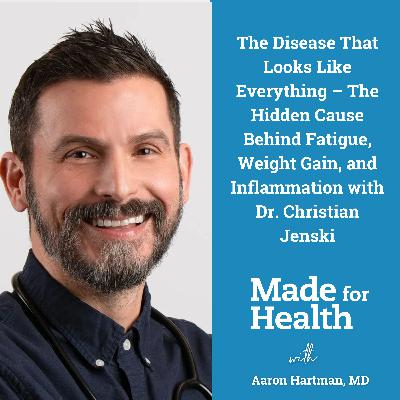
Could metabolic syndrome be the hidden root behind everything from fatigue and weight gain to heart disease, brain fog, and even cancer?In this episode of Made for Health, Dr. Aaron Hartman sits down with Dr. Christian Jenski to explore metabolic syndrome from a functional medicine perspective. Together, they unpack how disruptions in energy production and metabolic balance underlie a wide range of chronic illnesses — including obesity, diabetes, cardiovascular disease, fatty liver, PCOS, gout, kidney stones, sleep apnea, cognitive decline, and even cancer.They discuss the shortcomings of standard diagnostic criteria, the need for early detection, and how functional medicine offers a more comprehensive, root-cause approach to healing. This episode also introduces the connection between immune system aging, inflammation, and mitochondrial health — setting the stage for future conversations on targeted therapies and metabolic optimization.Show HighlightsWhat defines metabolic syndrome and why conventional diagnostic standards often fall short.The role of mitochondrial dysfunction and energy production in chronic disease.How inflammation and immune system aging contribute to metabolic decline.Conditions linked to metabolic syndrome: obesity, type 2 diabetes, cardiovascular disease, fatty liver, gout, PCOS, kidney stones, and more.How lifestyle factors—diet, stress, exercise, and sleep—shape metabolic outcomes.Why “normal” lab values don’t always indicate optimal metabolic health.The connection between low testosterone, sleep apnea, and metabolic imbalance in men.Cognitive decline and Alzheimer’s as metabolic conditions (“Type 3 Diabetes”).How metabolic health influences mental health and mood regulation.Exploring the metabolic roots of cancer and the potential role of ketogenic diets.In This Episode, You Will LearnHow the immune system’s biological age influences metabolic and cellular health.The significance of visceral fat, triglycerides, and HDL in identifying metabolic risk.Ethnic variations in fat distribution and what they reveal about hidden metabolic dysfunction.Why fatty liver disease should never be dismissed as “common” or “incidental.”How uric acid and oxalate metabolism contribute to gout, kidney stones, and systemic inflammation.Why mental health symptoms like anxiety or depression can sometimes be metabolic in origin.The science behind insulin resistance in the brain and its link to cognitive decline.Functional medicine strategies for restoring balance through nutrition, detoxification, and lifestyle alignment.Resources & Links:Dr. Aaron Hartman – Richmond Functional Medicine: richmondfunctionalmedicine.comYouTube – Aaron Hartman, MD: @AaronHartmanMD
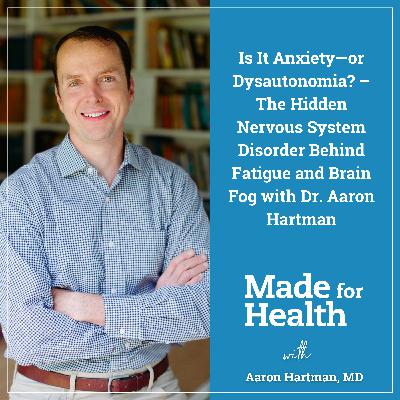
Could your chronic fatigue, anxiety, or dizziness actually be signs of an underlying autonomic imbalance like POTS?In this episode, the host unpacks the complex world of dysautonomia and Postural Orthostatic Tachycardia Syndrome (POTS)—conditions that arise when the autonomic nervous system (ANS) stops functioning properly. Affecting heart rate, blood pressure, digestion, and even emotional regulation, dysautonomia can lead to a wide range of symptoms that are often misunderstood or misdiagnosed.The discussion explains the five key components of the autonomic nervous system, explores diagnostic methods, and reveals how these conditions often overlap with other chronic illnesses such as Lyme disease and autoimmune disorders. Treatment strategies—from nutrition and hydration to emerging therapies—are also reviewed, emphasizing a functional and individualized approach to care.Listeners are invited to reflect on their own experiences with chronic fatigue, anxiety, or cardiovascular symptoms as possible signs of autonomic imbalance. The next episode in the series will focus on Mast Cell Activation Syndrome (MCAS), continuing the deep dive into interconnected “mystery illnesses.”Show HighlightsWhat dysautonomia and POTS are, and how they affect the body’s regulatory systems.The five main components of the autonomic nervous system.Why dysautonomia is frequently misdiagnosed or mistaken for anxiety.The overlap between POTS, Lyme disease, autoimmune disorders, and chronic fatigue.Key diagnostic tools and functional testing options.Nutritional and lifestyle strategies to support autonomic balance.Emerging therapies that address the root causes of dysautonomia.How functional medicine views dysautonomia as a whole-body issue.A preview of next week’s topic: Mast Cell Activation Syndrome.In This Episode, You Will LearnHow the autonomic nervous system regulates vital functions and how dysregulation leads to widespread symptoms.The role of hydration, salt intake, and balanced nutrition in managing POTS.The impact of stress, infections, and inflammation on autonomic function.Steps to identify and address underlying causes through functional medicine.Why early recognition and personalized care can improve long-term outcomes.Resources & LinksRichmond Integrative & Functional Medicine: richmondfunctionalmedicine.comYouTube – Richmond Functional Medicine: @AaronHartmanMD

Comments

Download from Google Play

Download from App Store
 United States