


Should American Cattle Ranchers Sacrifice for China?
Description
A president offers to buy beef from a country we just bailed out. Argentina. American ranchers call it betrayal. Economists say it won’t lower prices. Everyone calls it stupid.
But that same country just sold seven million tons of soybeans to China instead of us. And three-quarters of their beef exports go to China. And we just gave them twenty billion dollars. And their president is our president’s ideological ally.
Maybe it’s not about beef. Maybe it’s about China.
But the ranchers still get hurt. The consumers still don’t see lower prices. And we don’t know if Argentina will actually pivot away from China, or just take our money and keep selling to Beijing. Maybe we weaken China’s food supply. Or maybe we just weaken our own ranchers.
So…Should American cattle ranchers sacrifice for China?
Act 1. Nixon and the Beef Freeze: When Politics Meets Markets
March 29, 1973.
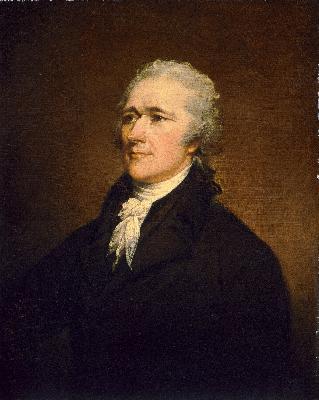
President Richard Nixon had a problem.
Actually, he had several problems. The Senate had just voted 77-0 to investigate Watergate. The cover-up was unraveling. John Dean was about to flip. Dean knew he was going to be the scapegoat in the scandal and chose to cooperate with investigators to save himself.
But today, right now, the problem was beef.
Beef prices were up 20% in three months. Housewives organized boycotts. One woman in Chicago told reporters she was pricing hamburger like filet mignon. Another said her family had switched to beans and rice.
Fifty million people joined them. The largest consumer protest in American history.
The evening news showed empty shopping carts and angry voters. Walter Cronkite was covering it. Which meant everyone was seeing it.
Nixon’s economists told him to let the market work, and it would self-correct. George Shultz at Treasury. Herbert Stein at the Council of Economic Advisers. They said this was a supply problem. Bad weather. Reduced corn harvest. Feed costs up. Drought in the Southwest meant fewer cattle. Higher prices would drive the market to adjust and incentivize production. Give it time.
But Nixon wasn’t interested in time. He was interested in the evening news.
He’d already broken with Republican orthodoxy in 1971. Imposed wage and price controls. First peacetime controls in American history. Froze wages. Froze prices. Took the dollar off gold. His Treasury Secretary, John Connally, had sold him on it. 5% inflation doesn’t produce great election results.
The controls had worked politically. Nixon won 49 states.
But by early 1973, the controls were creating problems everywhere. Shortages here. Surpluses there. The price system was breaking down.
Nixon didn’t care. Controls were decisive. Presidential. You announce something and prices stop going up. At least for a while. At least long enough.
On March 29, Nixon made his decision.
He would freeze beef prices. No more increases. Prices were locked at current levels. Which were already at record highs. The freeze would last indefinitely.
Shultz and Stein thought it was madness. You can’t freeze one price in a market economy. Everything is connected. Freeze beef and you’ll create chaos.
Nixon announced it anyway.
The Ranchers Respond
The cattlemen understood the economics immediately.
If beef prices were frozen but feed costs kept rising, you lost money every day you fed a steer. The math was simple. The response was simpler.
Stop selling cattle.
Within days, cattle auctions reported volume dropping. Thirty percent. Then forty. Then fifty. Ranchers held cattle off the market. Some waited. Others started culling herds. Selling breeding stock they’d normally keep. Getting out entirely.
The packers had fewer cattle to process. They ran plants below capacity. Sent workers home. The cattle they did get, they couldn’t make money on. Frozen prices. Rising costs.
Then came the shortages.
Empty Meat Cases
By mid-April, grocery stores across the country had no beef.
The beef that existed was lower quality. More hamburger. Less steak. Ranchers were liquidating herds instead of finishing premium cattle. Some stores limited purchases. Two pounds per customer. Others had empty display cases.
Nixon had promised to solve high beef prices. Instead, he’d created beef shortages.
The evening news showed housewives staring at empty meat counters. Before, they could buy beef, even if it was expensive. After the controls, there was no beef to buy at any price.
The black market appeared fast. Ranchers who’d held cattle sold directly to restaurants. To butcher shops willing to pay above the frozen price. Cash transactions. Off the books. The official market was frozen. The actual market found a way.
Restaurants got squeezed the worst. They couldn’t raise menu prices because of the controls. But their costs kept rising as they competed for scarce beef. Some switched to chicken. Others reduced portions. A few high-end steakhouses closed.
Washington Reacts
The American National Cattlemen’s Association flooded Washington with members. Their argument was simple. They called Nixon’s approach “The Wreck.” The freeze was destroying the industry. Ranchers were losing money every day. If it continued, there would be massive liquidation. Breeding stock slaughtered. Herds dispersed. Ranchers bankrupt. Years to rebuild.
The National Farmers Union backed them. Farm-state Senators backed them, Republican and Democrat alike.
Senate Agriculture Committee Chairman Herman Talmadge of Georgia called it the most short-sighted agricultural policy since Smoot-Hawley.
The data supported them. Cattle slaughter was up 15% as ranchers liquidated. But beef production was falling. Ranchers were slaughtering younger, lighter animals instead of finishing them. More cattle killed. Less beef produced.
Nixon’s political calculus was failing. The freeze was supposed to show action. Instead, it showed incompetence. Empty meat cases were worse than high prices.
The Reversal
September 12, 1973. Five months after the freeze.
Nixon lifted it.
He didn’t call it a reversal. The announcement said the freeze had “served its purpose.” That “market conditions now warrant” flexible pricing.
Everyone knew what happened. The policy failed.
Beef prices immediately shot up. Higher than before the freeze. Pent-up demand. Disrupted supply chains. Liquidated herds reduced future supply.
By year’s end, beef prices were 30% higher than when the freeze began.
The freeze hadn’t stopped inflation. It deferred it and made it worse.
The Long Damage
But the real damage took years to show.
Cattle don’t turn on and off. A cow has one calf a year. That calf takes time to mature. If you’re building your herd, you keep the fem





 United States
